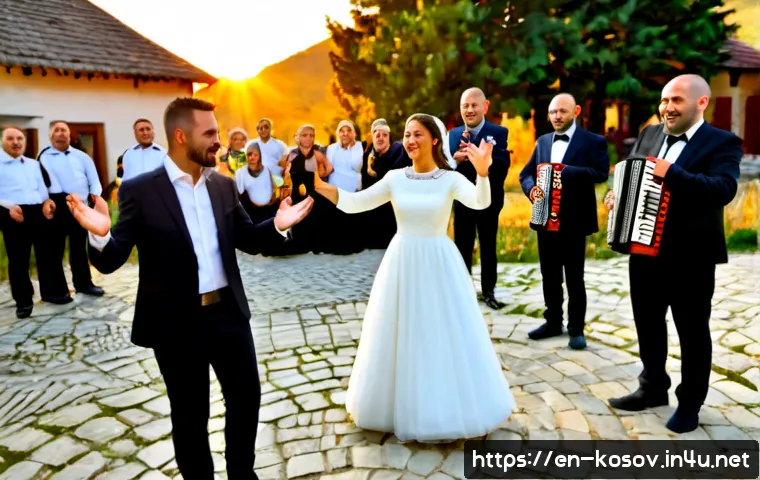
Living in Kosovo offers an intriguing blend of affordability and cultural richness, making it an attractive destination for travelers, remote workers, and expats alike.
From reasonably priced housing to budget-friendly dining and transportation, the overall cost of living here is surprisingly low compared to many European countries.
Whether you’re considering a short stay or planning to settle down, understanding the financial landscape is essential to making the most of your experience.
Over the past few years, Kosovo has seen gradual economic growth and improvements in infrastructure, adding value without driving up expenses drastically.
If you’re curious about daily expenses and how to stretch your budget while enjoying life in Kosovo, you’re in the right place. Let’s dive into the details and get you fully informed!
Affordable Housing Options in Kosovo
Choosing Between City and Suburban Living
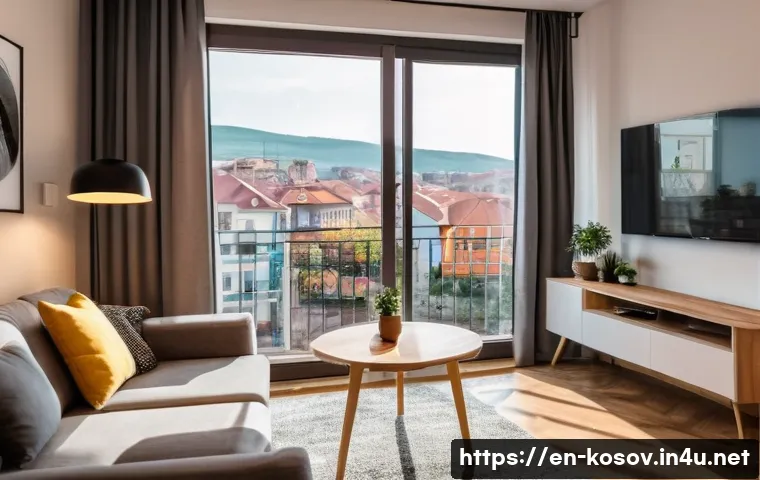
Living in Kosovo offers a variety of housing choices that suit different budgets and lifestyles. If you lean toward urban living, cities like Pristina and Prizren provide modern apartments with convenient access to shops, cafes, and cultural spots.
Renting a one-bedroom apartment in the city center typically costs around 250 to 350 euros per month, which is quite affordable compared to many European capitals.
On the other hand, suburban or rural areas offer even lower prices, sometimes halving the rent, but with trade-offs such as longer commutes and fewer entertainment options.
Personally, I found that balancing affordability and accessibility meant looking just outside the main city hubs, where you get quieter neighborhoods without breaking the bank.
What to Expect When Renting
When renting in Kosovo, it’s common to find unfurnished apartments, so budgeting for basic furniture might be necessary. Lease agreements often require a one-month deposit and monthly rent payments.
Utilities, including electricity, water, and heating, are generally extra but remain reasonable. I remember my first winter in Kosovo, where heating costs surprised me a little, especially in older buildings, so it’s wise to factor this in when calculating your monthly expenses.
Additionally, landlords tend to be approachable and flexible, especially if you build a good rapport, which helps when negotiating terms or resolving minor maintenance issues.
Buying Property: A Growing Market
For those considering a longer stay or investment, Kosovo’s real estate market is gradually growing. Property prices remain modest compared to Western Europe, with apartments in central Pristina averaging around 1,000 euros per square meter.
The market is still maturing, so buyers can find bargains, especially in developing neighborhoods. However, legal procedures require careful attention and professional advice to navigate ownership rights, particularly for foreigners.
I found that partnering with a trusted local real estate agent made the process smoother and helped avoid common pitfalls.
Eating Well Without Overspending
Local Markets vs. Dining Out
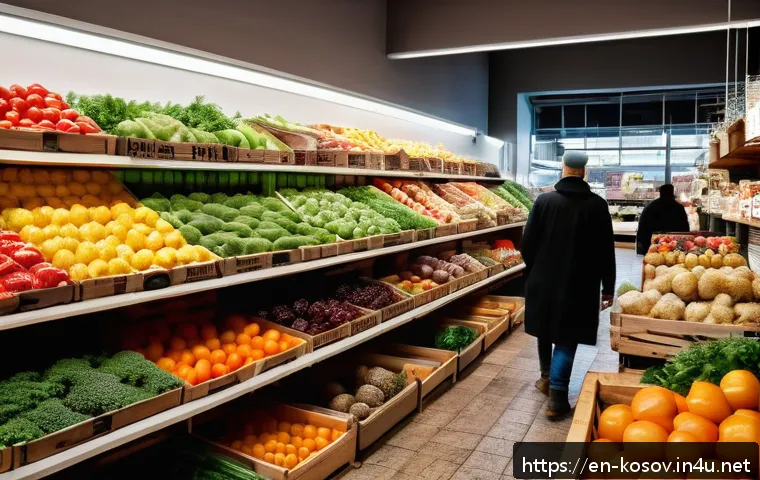
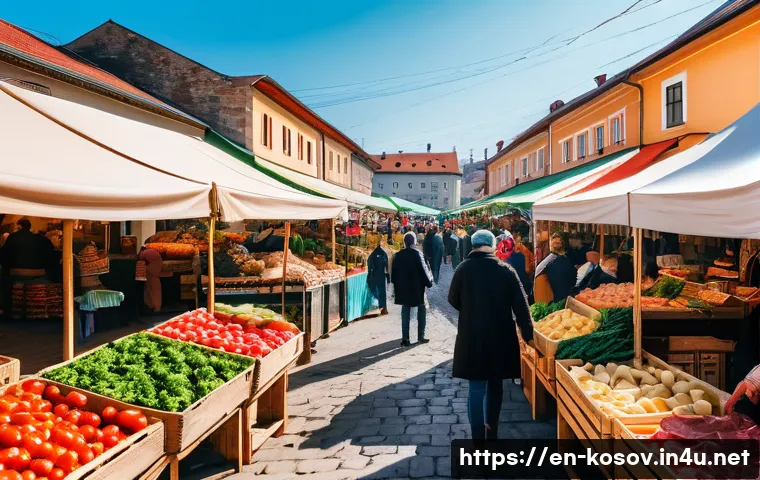
One of the joys of living in Kosovo is access to fresh, affordable local produce. Weekly markets are a treasure trove for fresh fruits, vegetables, dairy products, and meats at prices that can’t be beaten by supermarkets.
I often shop at these markets, where a kilogram of tomatoes costs less than a euro, making it easy to eat healthily on a budget. When it comes to dining out, Kosovo offers a range of options from inexpensive street food stalls serving burek or grilled meats to cozy restaurants with traditional dishes like flija or tavë kosi.
A typical meal at a mid-range restaurant usually costs between 5 to 10 euros, which is incredibly reasonable.
Budget-Friendly Tips for Food Lovers
To stretch your food budget further, cooking at home using local ingredients is your best bet. I’ve noticed that blending traditional recipes with simple, fresh components keeps meals both delicious and economical.
Also, many cafes and bakeries offer affordable breakfast options like pastries and coffee for under 2 euros. Another insider tip is to visit restaurants during lunch hours, where fixed-price menus often offer excellent value.
Not only does this save money, but it also immerses you in the everyday culinary culture of Kosovo.
Sample Monthly Food Costs
| Item | Estimated Monthly Cost (Euros) |
|---|---|
| Groceries (fresh produce, basics) | 100 – 150 |
| Eating Out (3 times per week) | 60 – 90 |
| Coffee and Snacks | 20 – 30 |
Getting Around: Transportation Insights
Public Transportation Availability
Kosovo’s public transportation system is functional and affordable, particularly in larger cities. Buses and minibuses connect major towns and suburbs, with tickets typically costing less than one euro per ride.
While the frequency and punctuality might not match those of Western Europe, the network is reliable enough for daily commuting. I’ve found that using public transport not only saves money but also provides a glimpse into local life and culture, as many locals rely on these services for their daily travels.
Costs and Practicality of Owning a Vehicle
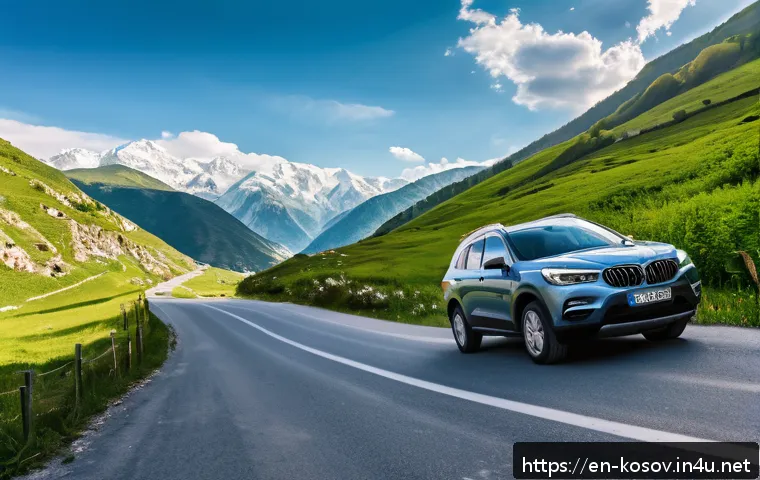
For more flexibility, many residents opt to own a car. Fuel prices in Kosovo are moderate, with gasoline averaging around 1.2 euros per liter. Maintenance and insurance costs are relatively low compared to Western Europe, but keep in mind that road conditions outside cities can vary.
When I first rented a car, navigating rural areas showed me the importance of a reliable vehicle and cautious driving. If you plan to stay long-term, investing in a used car can be a cost-effective choice, especially for exploring beyond urban centers.
Alternative Transportation Options
In recent years, ride-sharing apps and taxis have become more common, offering convenient options for short trips or late-night travel. Prices are competitive, with typical taxi rides within city limits costing around 3 to 5 euros.
Cycling is also gaining popularity in Kosovo’s flatter areas, providing a healthy and inexpensive way to get around. Just be mindful of traffic patterns and road safety, as infrastructure for cyclists is still developing.
Utilities and Monthly Bills
Understanding Your Utility Expenses
Utilities in Kosovo are generally affordable but can fluctuate seasonally. Electricity, water, and heating combined usually range between 50 to 100 euros per month depending on usage and the type of heating system.
For instance, electric heating tends to be pricier than wood or gas options. During colder months, heating costs can spike, so budgeting extra for winter is wise.
I recall my first winter here where I underestimated heating expenses, and it became a valuable lesson in managing seasonal costs.
Internet and Mobile Services
Internet connectivity in Kosovo is reasonably priced and reliable in urban areas, with monthly plans averaging 15 to 25 euros for high-speed broadband.
Mobile phone plans are similarly affordable, with prepaid options offering flexibility and low rates for calls and data. From personal experience, opting for a local SIM card was straightforward and helped me stay connected without breaking the bank.
Many cafes and public spaces also provide free Wi-Fi, which is handy for remote work or casual browsing.
Managing Your Monthly Budget
To keep track of your expenses, I recommend setting a monthly budget that includes rent, utilities, food, transportation, and entertainment. Kosovo’s overall cost structure allows for a comfortable lifestyle on a moderate budget, but surprises like unexpected repairs or seasonal bills can add up.
Having a buffer in your finances can ease stress and ensure you enjoy your time without constant money worries.
Leisure and Lifestyle Costs
Entertainment and Nightlife
Kosovo offers a vibrant cultural scene with theaters, galleries, and music festivals that often come at very low or no cost. Bars and clubs in cities like Pristina have affordable entry fees, and drinks are typically cheaper than in Western Europe.
I found that socializing here doesn’t have to be expensive—many locals enjoy simple gatherings at cafes or parks. This relaxed atmosphere means you can enjoy a rich social life without overspending.
Fitness and Outdoor Activities
Staying active in Kosovo is both fun and budget-friendly. Gyms usually charge between 20 to 40 euros per month, and many parks and hiking trails are free to access.
For nature lovers, Kosovo’s mountainous landscapes offer endless opportunities for hiking, skiing, and biking. I often took weekend trips to nearby national parks, which cost me nothing but provided priceless experiences.
This accessibility to outdoor activities adds great value to living in Kosovo.
Shopping and Personal Care
Shopping for clothes and personal care items is reasonably priced, with many local markets and stores offering quality products at lower prices than in Western countries.
While international brands are available, buying locally often means better deals. Salons and barber shops typically charge between 5 to 15 euros for services, making regular grooming affordable.
From my experience, embracing local brands and services enhances the cultural immersion and saves money.
Healthcare and Insurance Considerations
Access to Medical Services
Kosovo’s healthcare system has been improving steadily, with public clinics and hospitals available across the country. While public healthcare is free or low-cost for residents, many expats prefer private clinics for faster service and English-speaking staff.
Private consultations usually cost between 20 to 50 euros, which is quite affordable. During my stay, having private health insurance gave me peace of mind, especially for specialist visits or emergencies.
Health Insurance Options for Expats
Several private insurance providers offer plans tailored for foreigners living in Kosovo, covering outpatient care, hospitalization, and sometimes dental services.
Prices vary based on coverage but generally start around 30 euros per month. Investing in insurance is a smart move to avoid unexpected medical expenses.
I personally chose a mid-tier plan that balanced cost and coverage, which proved invaluable when I needed minor medical treatment.
Pharmacy and Medication Costs
Medications in Kosovo are affordable, with many over-the-counter drugs available without prescriptions. Pharmacies are widespread, and pharmacists often provide helpful advice.
Prescription medications cost less here than in many Western countries, but it’s always good to bring any essential or chronic medications with you when moving.
From my experience, local pharmacies are reliable, and the friendly service makes managing health straightforward and affordable.
In Conclusion
Living in Kosovo offers a unique blend of affordability and cultural richness that makes it an attractive choice for many. Whether you prefer city life or quieter surroundings, there are housing options to fit various budgets and lifestyles. The cost of living remains reasonable across essentials like food, transportation, and healthcare, allowing for a comfortable and enjoyable experience. With a bit of planning and local insight, settling in Kosovo can be both rewarding and economical.
Useful Tips to Keep in Mind
1. Always consider the balance between cost and convenience when choosing between city and suburban housing to maximize your lifestyle satisfaction.
2. Budget for extra expenses like heating during winter and furnishing unfurnished rentals to avoid surprises in your monthly costs.
3. Exploring local markets for fresh produce can significantly reduce your food expenses while giving you a taste of authentic Kosovo flavors.
4. Using public transportation or cycling not only saves money but also enriches your experience by connecting you with the local community.
5. Securing reliable health insurance and understanding the healthcare options available will provide peace of mind during your stay.
Key Takeaways for Your Stay
Finding affordable housing in Kosovo is achievable by exploring both urban and suburban areas, each offering distinct advantages. Renting typically involves unfurnished apartments and additional utility costs, so planning ahead is essential. The food scene is budget-friendly, especially when shopping at local markets or dining during lunch specials. Transportation options range from public buses to affordable car ownership, catering to different mobility needs. Lastly, healthcare services are accessible and reasonably priced, with private insurance recommended for expats to ensure comprehensive coverage and smoother access to medical care.
Frequently Asked Questions (FAQ) 📖
Q: How affordable is housing in Kosovo for expats or long-term visitors?
A: Housing in Kosovo is surprisingly affordable, especially compared to Western Europe. Renting a one-bedroom apartment in the city center of Pristina, for example, typically costs between 200 to 350 euros per month, depending on the quality and location.
If you’re open to living a bit outside the main city areas, prices drop even further. From my own experience, it’s easy to find comfortable accommodations without breaking the bank, and utilities usually add a modest extra cost, around 50 to 100 euros monthly.
This affordability makes Kosovo a great choice for anyone wanting to stretch their budget while still enjoying urban amenities.
Q: What are the typical daily expenses for food and transportation in Kosovo?
A: Daily expenses in Kosovo are quite manageable. Eating out at local restaurants can cost anywhere from 3 to 7 euros for a full meal, with traditional dishes like flija or grilled meats offering great value and authentic flavors.
Groceries are also reasonably priced, allowing you to cook at home without overspending. Public transportation is cheap and reliable, with bus fares generally under 1 euro per ride within cities.
When I lived there, I often took buses or taxis for short trips, and the total monthly transportation cost rarely exceeded 20 euros. This budget-friendly environment means you can enjoy both convenience and culture without constant worry about expenses.
Q: Has economic growth in Kosovo affected the cost of living recently?
A: While Kosovo has experienced steady economic growth and infrastructure improvements over the past few years, the cost of living has remained relatively stable.
Inflation hasn’t spiked dramatically, and new developments haven’t pushed prices out of reach for most residents or visitors. From what I observed, investments in roads, internet connectivity, and public services have enhanced quality of life without causing significant price hikes.
So, whether you’re planning a short visit or a longer stay, you can expect to enjoy improved amenities without a steep increase in your daily expenses.
This balance is one of the reasons Kosovo continues to attract remote workers and expats looking for a good quality of life on a budget.