Navigating the vehicle registration process in Kosovo can feel overwhelming, especially with recent updates to local regulations and paperwork requirements.
Whether you’re a new resident or just purchased a car, understanding each step clearly can save you time and unnecessary stress. In this guide, I’ll walk you through the entire process, sharing practical tips I’ve gathered from firsthand experience to help you breeze through registration smoothly.
Stay with me as we break down what might seem complicated into simple, manageable steps that anyone can follow. Let’s get your vehicle legally on the road without the usual headaches!
Understanding Required Documentation for Registration
Gathering Essential Papers
When preparing to register your vehicle in Kosovo, the first step is collecting all the necessary documents. This typically includes your personal identification, such as a valid passport or ID card, proof of residency, and the vehicle’s purchase invoice or title.
If you’ve imported the vehicle, customs clearance documents are also required. From my experience, double-checking each document before your visit to the registration office saves a lot of back-and-forth trips.
Missing even one paper can delay your registration by days or weeks.
Vehicle Inspection Certificates
Another crucial requirement is the vehicle inspection certificate, which confirms that your car meets safety and emission standards. This step is mandatory for both new and used vehicles.
The inspection must be performed at authorized centers, and the certificate should be issued within the last 30 days to be valid. I recall a friend who forgot to update this certificate, resulting in having to reschedule the entire registration process.
So, keep this document handy and ensure your vehicle passes all inspections before proceeding.
Understanding the Fees Involved
Registration fees vary depending on the type and age of your vehicle, as well as its engine capacity. These fees must be paid during the registration process, and having the exact amount prepared can speed things up considerably.
Kosovo’s Ministry of Internal Affairs website lists the latest fee schedule, but I recommend confirming it in person since minor changes can occur. Below is a quick reference table summarizing typical fees:
| Vehicle Type | Engine Capacity | Registration Fee (EUR) |
|---|---|---|
| Passenger Car | Up to 1,600 cc | 50 |
| Passenger Car | 1,601 – 2,000 cc | 75 |
| Passenger Car | Above 2,000 cc | 100 |
| Motorcycle | Up to 150 cc | 30 |
| Motorcycle | Above 150 cc | 45 |
Where to Submit Your Registration Application
Choosing the Right Office
Vehicle registration applications in Kosovo are processed at the local Municipal Service Centers (QKMF). Depending on where you live, you might need to visit a specific branch.
I found it helpful to check online or call ahead to confirm the location and working hours, as these can vary slightly between municipalities. Some centers even offer appointment bookings, which can drastically reduce waiting times.
What to Expect at the Registration Office
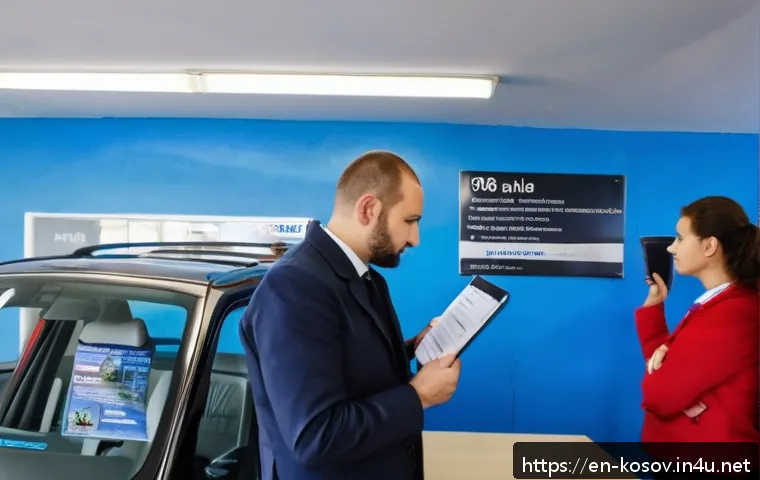
When you arrive at the office, you’ll submit your documents and pay the registration fees. Expect a short interview where an official verifies your paperwork and inspects your vehicle’s details.
From what I experienced, being polite and prepared with all documents makes the process smoother. Avoid going during peak hours if possible; early mornings or late afternoons tend to be less crowded.
Receiving Your Registration Plates and Certificate
Once your application is approved, you’ll be issued the vehicle registration certificate and license plates. The plates are usually given on the same day or within a few days.
Keep in mind that you must affix the plates immediately to avoid fines. I recommend double-checking that all details on the certificate are accurate before leaving the office to prevent future complications.
Special Considerations for Imported Vehicles
Customs Clearance and Taxes
Imported vehicles need to clear customs and pay applicable import taxes before registration. The customs process can be tricky, involving detailed paperwork and sometimes language barriers.
I personally had to engage a customs broker to help navigate the system efficiently. Make sure you receive all official customs documents, as these are essential for registration.
Conformity with Kosovo Standards
Imported cars must comply with Kosovo’s technical and environmental standards. This means your vehicle might require modifications or additional inspections.
For example, emissions systems must meet local regulations. From what I learned, getting a pre-inspection before import can save you headaches later.
Registering Temporary Plates
If your vehicle is newly imported, you may be eligible for temporary plates while completing customs and registration formalities. These plates allow legal driving for a limited period.
Applying for them requires submitting proof of customs processing and insurance. I found this option very useful when waiting for final registration approval.
Insurance Requirements and How to Obtain Coverage
Mandatory Vehicle Insurance
Before driving in Kosovo, you must have at least third-party liability insurance. This protects you and others in case of accidents. Insurance policies are sold by various companies, and I recommend comparing prices and coverage online or through local agents.
Having insurance ready before registration can sometimes speed up the process.
Choosing the Right Insurance Plan
Beyond mandatory coverage, you might want to consider comprehensive insurance, especially if your vehicle is new or valuable. This covers damages to your own car as well as theft or natural disasters.
I’ve personally found that a slightly higher premium is worth the peace of mind, especially given Kosovo’s variable road conditions.
How to Present Proof of Insurance
When registering your vehicle, you’ll need to present a valid insurance certificate. Many offices now accept digital copies, but having a printed version on hand is safer.
Also, check that the insurance period aligns with your registration date to avoid any compliance issues.
Renewal and Transfer of Vehicle Registration
When and How to Renew
Vehicle registration in Kosovo is valid for a specific period, often one year, after which renewal is necessary. Renewal involves submitting updated inspection certificates, proof of insurance, and paying a renewal fee.
I recommend setting reminders to avoid lapses that could lead to fines or legal issues.
Transferring Registration After Selling a Vehicle
If you sell your car, the registration must be transferred to the new owner. This requires submitting a transfer application, the sales contract, and the original registration documents.
From my experience, handling this promptly protects both parties and avoids legal complications.
Updating Registration Details
Any changes such as address updates or vehicle modifications must be reported to the registration authority. This ensures your records are accurate and that you receive any official correspondence.
I’ve noticed that timely updates help prevent misunderstandings during inspections or law enforcement checks.
Common Pitfalls and How to Avoid Them
Incomplete Documentation
One of the biggest hurdles I’ve seen is people showing up without all the required documents. Always cross-check the checklist provided by the registration office or official website.
Bringing extra copies and originals can also prevent last-minute issues.
Ignoring Inspection Requirements
Skipping or delaying the mandatory vehicle inspection can stall your registration indefinitely. Plan ahead and book your inspection early, especially during busy seasons.
Some inspection centers allow online booking, which I found very convenient.
Misunderstanding Fee Structures
Fees can vary based on multiple factors, and misunderstanding them might cause payment delays. Confirm the exact amount with the office before your appointment and bring the exact change or a payment method accepted by the office.
This small step can save a lot of frustration.
Tips for a Smooth Registration Experience
Arrive Prepared and Early
Showing up early with all documents organized in a folder can set a positive tone. I personally like to visit the office on a weekday morning to avoid crowds and get assistance faster.
Ask Questions and Stay Informed
Don’t hesitate to ask officials for clarification if something isn’t clear. Policies can shift, and staying updated through official channels or local expat groups has helped me keep ahead of any surprises.
Leverage Online Resources
Many parts of the registration process can be researched or partially completed online. Using official government websites and forums saves time and helps you understand the steps before you even step foot in the office.
Conclusion
Registering a vehicle in Kosovo involves careful preparation and attention to detail. By gathering all required documents, understanding fees, and following the proper procedures, you can avoid common delays and complications. Staying informed and organized truly makes the entire process smoother and less stressful.
Helpful Tips
1. Always double-check your documents before visiting the registration office to avoid repeated trips.
2. Schedule your vehicle inspection early, especially during busy periods, to prevent registration delays.
3. Confirm the exact registration fees ahead of time and bring the appropriate payment to speed up the process.
4. Take advantage of online resources and appointment systems to minimize waiting times and streamline your application.
5. Keep your insurance coverage up to date and have proof ready when submitting your registration.
Key Takeaways
Vehicle registration in Kosovo requires a combination of valid identification, proof of ownership, and compliance with safety and environmental standards. Fees vary based on vehicle type and engine size, so verifying costs beforehand is essential. For imported vehicles, customs clearance and conformity with local regulations are critical steps. Maintaining current insurance and promptly renewing or transferring registrations helps avoid legal issues. Being proactive, organized, and well-informed will ensure a hassle-free registration experience.
Frequently Asked Questions (FAQ) 📖
Q: uestions about Vehicle Registration in KosovoQ1: What documents do I need to register my vehicle in Kosovo?
A: To register your vehicle in Kosovo, you’ll typically need your valid ID or residency permit, proof of vehicle ownership such as a purchase invoice or previous registration certificate, a valid insurance policy, and a roadworthiness certificate if applicable.
If the car is imported, customs clearance documents are also required. From my experience, having all these papers organized beforehand can save you multiple trips to the registration office.
Q: How long does the vehicle registration process usually take?
A: The registration process in Kosovo usually takes between a few days to a couple of weeks, depending on how busy the local registration office is and whether all your documents are in order.
I found that submitting complete paperwork and paying the required fees promptly helps speed things up. Sometimes, you might get temporary plates on the spot while waiting for permanent ones, which is a handy workaround.
Q: Are there any recent changes in Kosovo’s vehicle registration rules I should be aware of?
A: Yes, there have been updates regarding emissions standards and stricter checks on imported vehicles to ensure compliance with local environmental regulations.
Also, digital submission of certain forms is becoming more common, easing the paperwork burden. Based on what I’ve seen, staying updated through the official transport department’s announcements or consulting local experts can prevent surprises during registration.