Planning a trip to Kosovo? Renting a car is one of the best ways to explore this beautiful country on your own terms. With recent improvements in road infrastructure and growing tourism, navigating Kosovo by car has become easier and more enjoyable than ever.
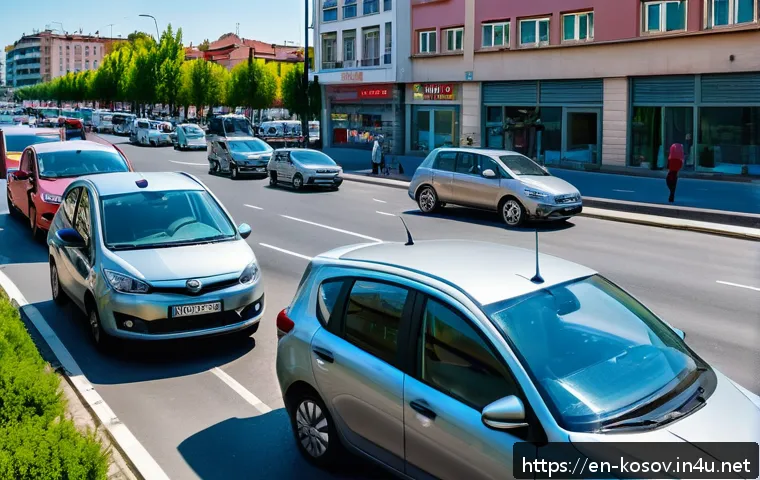
Whether you’re aiming to visit historic sites, stunning landscapes, or bustling local markets, having a reliable rental car can transform your experience.
In this guide, I’ll share insider tips and practical advice to help you rent a car like a local and make your journey smooth and hassle-free. Let’s dive into everything you need to know before hitting the road in Kosovo!
Understanding Kosovo’s Driving Environment
Road Conditions and Infrastructure Improvements
Driving in Kosovo has become noticeably smoother over the past few years thanks to ongoing investments in road infrastructure. Major highways connecting Pristina to other key cities like Peja, Prizren, and Gjakova have been significantly upgraded, offering a comfortable drive for visitors.
However, when venturing into rural areas or smaller villages, expect narrower roads and occasional potholes. I remember driving through the countryside near Rugova Valley — the views were breathtaking, but the road demanded cautious driving.
Always keep your speed moderate, especially on winding or less maintained roads.
Local Traffic Rules and Driving Culture
Kosovo follows the right-hand traffic rule, and speed limits are generally 50 km/h in urban areas, 80 km/h on rural roads, and up to 110 km/h on highways.
One thing I noticed quickly is that locals tend to drive quite assertively, so it’s essential to stay alert and use your mirrors frequently. Don’t be surprised by occasional overtaking on two-lane roads.
Also, keep in mind that seat belts are mandatory for all passengers, and using a mobile phone while driving without hands-free equipment is illegal. Observing these simple rules will help you blend in with local traffic and avoid unnecessary fines.
Parking Options and Tips
Parking in larger towns like Pristina or Prizren can be challenging during peak hours. Public parking lots are available, but street parking often requires payment via parking meters or mobile apps.
I found that parking a bit further from the city center and walking in not only saved money but also gave me a chance to explore the neighborhoods on foot.
Always look out for “No Parking” signs to avoid fines or towing, especially near government buildings or busy market areas.
Choosing the Right Rental Car for Kosovo
Vehicle Types Best Suited for Kosovo Roads
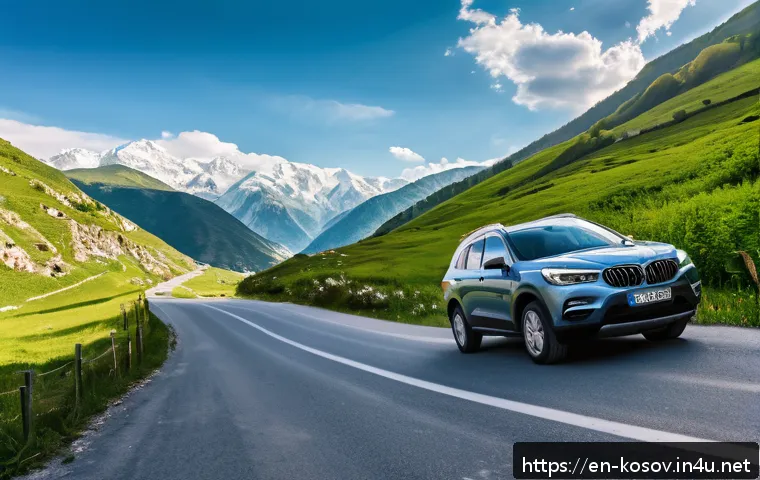
If you’re planning to stick mainly to urban areas and highways, a compact or mid-sized car will be perfect — it’s fuel-efficient and easy to park. However, if your itinerary includes mountainous regions like the Sharr Mountains or rural spots, opting for an SUV or a car with higher clearance is a smart move.
I rented a small hatchback initially but quickly switched to a crossover when I realized some roads were rougher than expected. Having that extra ground clearance and traction made a big difference in comfort and safety.
Transmission and Fuel Preferences
Manual transmission cars are more common and generally cheaper to rent in Kosovo, but if you’re not comfortable driving stick, automatic vehicles are widely available too.
Regarding fuel, most rental cars run on gasoline, and diesel options exist but are less common. Remember to ask about fuel policies — most companies require you to return the car with the same fuel level.
Filling stations are abundant in cities but might be sparse in remote areas, so plan accordingly.
Rental Duration and Cost Factors
Rental prices in Kosovo tend to be reasonable compared to Western Europe, with daily rates varying based on the car type and rental company. Booking in advance often secures better deals, especially during the summer tourist season.
If you’re staying longer than a week, inquire about weekly discounts. I personally found that renting for at least three days gave me enough flexibility to explore without rushing and also helped balance cost with convenience.
Essential Documents and Requirements
Driver’s License and Age Restrictions
To rent a car in Kosovo, a valid driver’s license from your home country is mandatory. International Driving Permits (IDP) are not always required but having one can smoothen the rental process, especially if your license isn’t in Latin script.
Most rental agencies require drivers to be at least 21 years old, with some imposing a surcharge or restrictions for drivers under 25. When I rented, the company asked to see my passport alongside my driver’s license, so be sure to carry both.
Insurance Coverage Options
Basic insurance is usually included in the rental price, covering third-party liability. However, I highly recommend opting for additional coverage such as Collision Damage Waiver (CDW) or theft protection.
It might feel like an extra expense, but it saved me from a lot of stress when a minor scratch occurred during parking. Check with your credit card company as well — some offer rental car insurance that might reduce the need for extra coverage.
Payment Methods and Deposits
Most rental agencies accept major credit cards, which are often necessary for the security deposit hold. Cash payments are less common and not always accepted.
The deposit amount varies but is generally around a few hundred euros, temporarily blocked on your card until the car is returned in good condition. Make sure you inspect the vehicle carefully before driving off and report any existing damage to avoid disputes later.
Navigation and Communication Tips
Using GPS and Offline Maps
While many rental cars come equipped with GPS, I found it handy to have my own navigation app on my smartphone. Offline maps from Google Maps or Maps.me are lifesavers when you have spotty internet, especially in mountainous or rural areas.
Before setting off, download maps of Kosovo and your planned routes. This extra step saved me from getting lost on a foggy morning near Lake Batllava.
Language and Local Assistance
English is widely spoken among younger people and in tourist areas, but outside the cities, it’s helpful to know some basic Albanian or Serbian phrases.
If you encounter any car trouble or need directions, don’t hesitate to ask locals — Kosovars are generally friendly and willing to help. Keeping a translation app handy also bridges any language gaps smoothly.
Emergency Contacts and Roadside Support
Before your trip, save emergency numbers like 192 for police and 193 for ambulance. Many rental companies offer roadside assistance, so clarify this service upfront.
When I had a flat tire once, the rental agency’s quick response made a huge difference, especially since I was unfamiliar with the area. Having these contacts easily accessible brings peace of mind on the road.
Fuel Stations and Cost Management
Locations and Fuel Types Available
Fuel stations are plentiful in urban centers and along main highways, but as you head into more remote areas, options become limited. Most stations offer unleaded gasoline and diesel, with premium fuels available at larger stations.
I recommend filling up whenever you see a station outside city limits to avoid running low in isolated spots. Prices are generally stable, but it’s wise to budget slightly higher for fuel if you plan extensive driving.
Strategies to Save on Fuel
Driving habits greatly affect fuel consumption. I noticed that maintaining steady speeds, avoiding rapid acceleration, and reducing unnecessary idling helped stretch my tank further.
Also, try to plan your driving routes efficiently — grouping nearby destinations into a single trip rather than crisscrossing the country saves both time and fuel money.
Renting a fuel-efficient car also helps keep costs down.
Understanding Payment and Receipts
Most fuel stations accept cash and card payments, but small roadside pumps in villages might only take cash. It’s good practice to keep all fuel receipts, especially if you’re claiming expenses or just want to track your budget.
Some stations have self-service pumps, but many still offer full service where an attendant will fill your tank for you, which I found convenient when juggling luggage or tired from a long drive.
Local Driving Etiquette and Safety Tips
Common Driving Behaviors to Expect
Kosovar drivers often display a mix of patience and assertiveness. You might notice more aggressive maneuvers like quick lane changes or close overtaking.
When I first drove in Pristina, I had to adapt quickly to the local rhythm. Honking is more frequent than in some Western countries, usually as a friendly warning rather than aggression.
Staying calm and confident behind the wheel helps navigate these behaviors smoothly.
Dealing with Police and Checkpoints
Occasional police checkpoints are normal, especially near borders or during special events. Police officers are generally professional but can be strict about documentation and vehicle compliance.
If stopped, remain polite, show your documents promptly, and answer questions honestly. I had a brief checkpoint stop near the border with Serbia, and the officer was courteous as long as everything was in order.
Tips for Night Driving and Weather Conditions
Night driving is possible but requires extra caution due to limited street lighting in rural areas. I usually avoid driving late at night outside main cities.
Weather can change quickly in mountainous regions, so check forecasts before heading out. Rain or fog can reduce visibility significantly, making slower speeds and increased attention essential.
Carrying a flashlight and emergency kit is a good precaution.
| Category | Key Tips | Personal Insight |
|---|---|---|
| Road Conditions | Expect good highways but cautious on rural roads; drive slower on narrow paths | Rugova Valley roads were beautiful but needed careful handling |
| Car Choice | Compact for cities, SUV for mountainous or rough areas | Switched to crossover for off-road comfort |
| Documents | Valid driver’s license, passport, consider IDP | Rental required both license and passport |
| Insurance | Opt for CDW and theft protection for peace of mind | Extra insurance saved me stress from minor damage |
| Navigation | Use offline maps and GPS; download maps beforehand | Offline maps prevented getting lost near Lake Batllava |
| Fuel | Fill up in cities, carry cash for rural stations | Kept tank full before heading to remote areas |
| Local Etiquette | Drive assertively but safely; expect honking | Adapted quickly to local driving style in Pristina |
In Conclusion
Driving in Kosovo offers a unique blend of modern highways and charming rural roads, each with its own challenges and rewards. Being well-prepared with the right vehicle, documents, and navigation tools can make your journey smoother and more enjoyable. Staying aware of local driving customs and safety tips helps ensure a stress-free experience. Overall, Kosovo is a beautiful country to explore by car if you plan thoughtfully and drive responsibly.
Helpful Information to Remember
1. Always check the condition of rural roads before heading out and adjust your driving speed accordingly.
2. Choose a rental car that fits your travel plans—compact for cities, SUV for mountainous or rough terrain.
3. Carry both your valid driver’s license and passport; consider an International Driving Permit if your license isn’t in Latin script.
4. Download offline maps ahead of time to avoid getting lost in areas with poor internet coverage.
5. Keep emergency contact numbers handy and understand your rental’s roadside assistance options for peace of mind.
Key Takeaways for a Smooth Driving Experience
Understanding Kosovo’s driving environment is essential for a safe and enjoyable trip. Prioritize vehicle choice based on your itinerary, and don’t skimp on insurance coverage to protect yourself from unexpected incidents. Familiarize yourself with local traffic laws and be prepared for assertive driving styles. Lastly, manage fuel stops wisely, especially when traveling to remote locations, and always stay polite and cooperative when interacting with authorities. These steps will help you navigate Kosovo’s roads confidently and comfortably.
Frequently Asked Questions (FAQ) 📖
Q: What documents do I need to rent a car in Kosovo?
A: To rent a car in Kosovo, you’ll typically need a valid driver’s license from your home country. An International Driving Permit (IDP) is recommended if your license is not in English or Latin script, as it helps local authorities understand your credentials.
Additionally, a passport or national ID card is required for identification, and a credit card is usually necessary for the security deposit. Make sure to check the rental company’s specific requirements in advance to avoid any surprises.
Q: Is it safe to drive around Kosovo as a tourist?
A: Yes, driving in Kosovo is generally safe for tourists, especially with recent upgrades to the road network. Main roads between cities like Pristina, Peja, and Prizren are well-maintained and clearly marked.
However, rural areas might have narrower or less developed roads, so cautious driving is advised. Traffic rules are similar to other European countries, but watch out for occasional aggressive driving habits.
Renting a reliable car and staying alert will make your journey comfortable and enjoyable.
Q: Can I cross borders with a rental car when visiting neighboring countries?
A: Crossing borders with a rental car from Kosovo is possible, but you must notify the rental company beforehand and get their approval. Some companies may charge extra fees or restrict travel to certain neighboring countries like Albania, North Macedonia, or Montenegro.
Also, ensure your insurance coverage extends to cross-border travel. It’s wise to clarify these details before booking so you can plan your itinerary without unexpected complications.