As Kosovo continues to emerge as a vibrant travel destination, connecting with locals has never been more rewarding. Whether you’re wandering through Pristina’s bustling markets or exploring the serene landscapes of Peja, mastering everyday conversations can open doors to authentic experiences.
In this guide, I’ll share practical tips to help you navigate language and cultural nuances like a pro, making your visit not just memorable but truly immersive.
If you’ve ever felt stuck trying to break the ice or wondered how to engage beyond simple greetings, you’re in the right place. Let’s dive into the art of local conversations that turn strangers into friends.
Unlocking Everyday Chat in Kosovo
Starting Simple Conversations
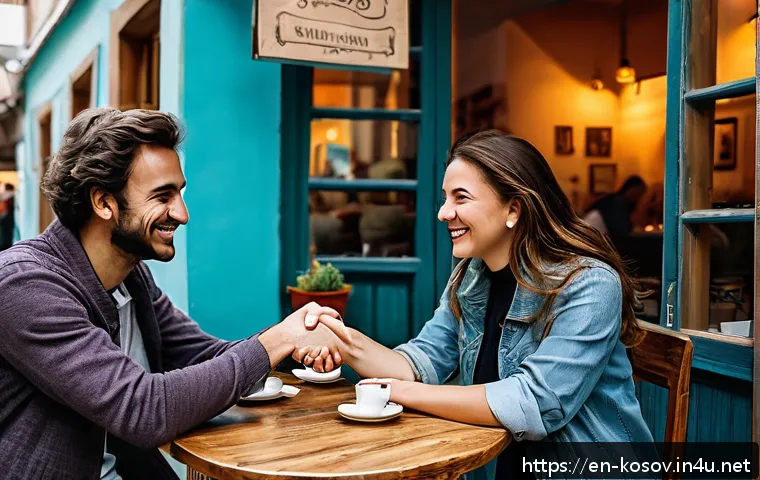
Breaking the ice with locals in Kosovo often begins with straightforward, friendly greetings. Phrases like “Tungjatjeta” (Hello) or “Si jeni?” (How are you?) immediately show respect and a genuine interest in the culture.
When I first tried this in Pristina’s cafes, I noticed how a simple “Faleminderit” (Thank you) or “Mirë” (Good) often sparked a smile and a longer chat.
Don’t hesitate to ask “A flisni anglisht?” (Do you speak English?), which is commonly understood in urban areas but can be a polite way to gauge language comfort.
Approaching conversations with a relaxed tone and a smile can make even the shortest exchanges warm and memorable.
Engaging Beyond Greetings
Once you’ve established a friendly opening, moving the conversation forward is key to a richer experience. Asking about local favorites, like “What’s your favorite traditional dish?” or “Can you recommend a hidden gem in the city?” invites locals to share their personal stories and insights.
From my time exploring Kosovo, I’ve found people love talking about their culture, especially the food and music scenes. It’s also great to express curiosity about their daily life — questions about family traditions or holidays often lead to heartfelt exchanges.
Remember, showing genuine interest rather than rushing to cover many topics tends to deepen the connection.
Handling Language Barriers with Grace
It’s totally normal to hit language roadblocks, but they don’t have to spoil the moment. Carrying a small phrasebook app or having a few key words saved on your phone can save you from awkward silences.
For example, “Më falni, nuk kuptoj” (Sorry, I don’t understand) is a polite way to ask for patience. I’ve often found that when locals see you trying, they become more patient and sometimes even switch to English to help.
Using gestures, smiles, and even drawing simple things can bridge gaps surprisingly well. This willingness to communicate despite barriers often earns you respect and sometimes even invitations to local gatherings.
Mastering Kosovo’s Cultural Nuances in Conversation
Respecting Traditions Through Language
In Kosovo, showing respect in conversation goes beyond words—it’s about tone, timing, and body language too. For example, when speaking with elders, using formal language and polite titles like “Zoti” (Mr.) or “Zonja” (Mrs.) conveys respect.
I recall once chatting with an older gentleman in Gjakova who appreciated my effort to address him properly; it opened up a heartfelt discussion about history and family roots.
Also, avoid rushing through greetings or skipping pleasantries, as Kosovars value these moments as part of social bonding. Pausing to listen attentively and nodding shows you value what’s being shared.
Understanding Humor and Small Talk
Humor in Kosovo can be playful yet subtle, often based on everyday life or shared cultural experiences. Locals might tease gently or joke about common challenges like traffic or weather, which can be a great way to break tension.
When I first laughed along with a vendor joking about the unpredictability of Balkan winters, it immediately made our interaction lighter and friendlier.
Small talk topics often include sports, especially football, local music, or recent community events. If you follow local teams or music trends, mentioning them can create instant rapport.
Nonverbal Communication Cues
Paying attention to nonverbal cues is crucial. Kosovars tend to use strong eye contact to show sincerity, so avoid looking away too often during conversations.
On the other hand, excessive physical contact like hugging is usually reserved for close friends or family, so start with a handshake or a simple nod.
Personal space is respected but be ready for warm hospitality invitations, where a gentle touch on the arm or shoulder may signal friendliness. I learned that mirroring these subtle gestures helps build trust and comfort, making conversations flow naturally.
Key Phrases to Navigate Daily Interactions
Essential Greetings and Polite Expressions
Mastering a handful of essential phrases makes all the difference when you’re out and about. “Mirupafshim” (Goodbye), “Po” (Yes), and “Jo” (No) are foundational.
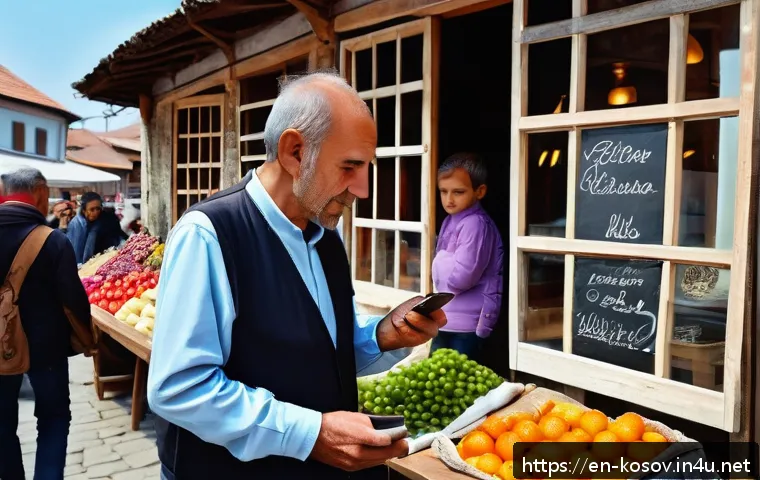
When shopping or ordering food, knowing “Sa kushton?” (How much does it cost?) and “Mund të kem…” (Can I have…) will smooth transactions. These phrases not only ease communication but also show respect for the local language, often resulting in friendlier service and smiles.
I always keep a mental list of these basics, especially when exploring markets or dining in small family-run restaurants.
Expressing Gratitude and Apologies
Showing appreciation goes a long way in Kosovo’s hospitable culture. Saying “Faleminderit shumë” (Thank you very much) after a meal or assistance feels natural and is deeply appreciated.
If you accidentally step on cultural toes, quick apologies like “Më falni” (Excuse me/Sorry) can diffuse any tension. I remember once accidentally interrupting a conversation at a local festival and a sincere “Më falni” helped me smoothly rejoin without awkwardness.
These small gestures reflect your awareness and respect, often turning strangers into friends.
Common Questions for Deeper Connection
Asking locals about their lives or opinions invites meaningful dialogue. Questions like “What do you love most about living here?” or “Can you tell me about a local tradition?” encourage storytelling.
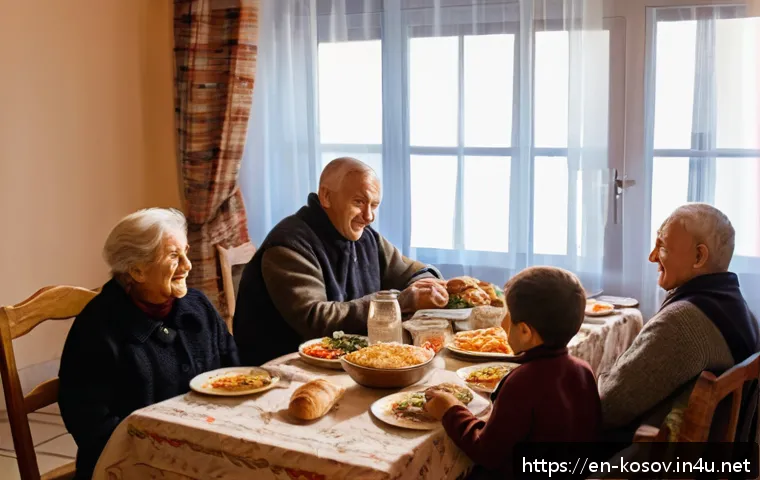
During my visits, these questions often led to invitations to join celebrations or try homemade dishes. It’s a gentle way to show that you value their culture beyond the surface and are open to authentic experiences.
Just be mindful to listen actively and avoid overly personal or sensitive topics unless invited.
Practical Tools for Language Confidence
Using Technology Wisely
Leveraging translation apps like Google Translate or language learning tools can be a lifesaver. I’ve found that downloading offline phrasebooks before traveling helps when internet access is spotty.
Voice-to-text features can also facilitate smoother exchanges in busy markets or noisy environments. However, relying solely on tech can sometimes hinder organic interaction, so I recommend balancing it with personal effort to learn key phrases.
This mix not only builds your confidence but often impresses locals, making them more willing to engage.
Learning Through Local Experiences
Immersing yourself in everyday situations like shopping, dining, or attending events is the best classroom for language practice. When I joined a cooking class in Prizren, I picked up culinary terms and expressions while making friends with fellow participants.
Volunteering or joining guided tours led by locals also opens doors to conversational practice in natural settings. These experiences provide context to vocabulary and cultural insights that no textbook can offer, enriching both your language skills and your travel memories.
Building a Personal Phrase List
Creating your own go-to list of phrases tailored to your itinerary and interests can be incredibly helpful. For instance, if you love hiking, include phrases related to directions, weather, and safety.
I keep a small notebook and a notes app where I jot down new words and expressions I hear during conversations. Reviewing and practicing these regularly helped me feel more at ease and spontaneous when chatting with locals.
This personalized approach turns learning into a fun, practical part of the journey rather than a chore.
Understanding Social Etiquette to Enhance Interactions
Greetings and Gift-Giving Customs
In Kosovo, greetings are often accompanied by warm handshakes or cheek kisses among close acquaintances. When meeting someone for the first time, a firm handshake and direct eye contact are standard.
Gift-giving is a thoughtful gesture, especially if you’re visiting someone’s home. Small tokens like sweets, coffee, or souvenirs from your country are well-received and spark conversations about your background.
I recall how presenting a small gift when invited to dinner instantly created a welcoming atmosphere, breaking down barriers effortlessly.
Dining and Hospitality Norms
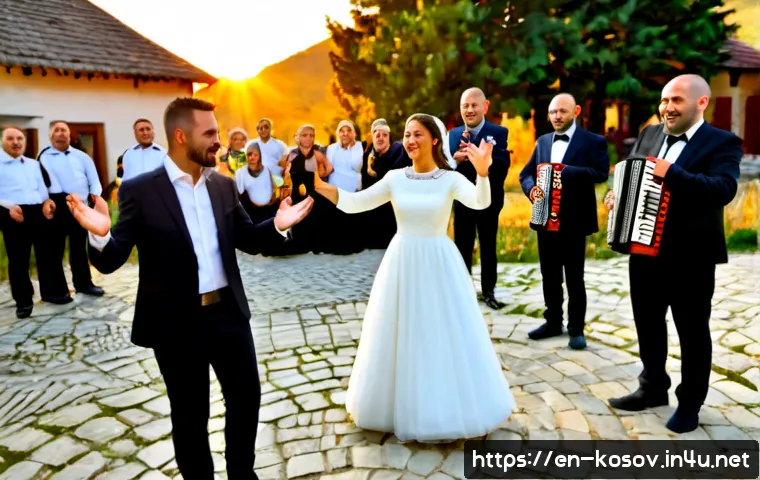
Accepting invitations to meals is a wonderful way to experience local culture firsthand. Kosovars take pride in their hospitality, often preparing elaborate dishes to share.
It’s polite to compliment the food and try a bit of everything offered, even if you’re a picky eater. I learned that refusing food too quickly can unintentionally offend.
Also, waiting for the host to start eating before you dig in shows respect. These small acts of etiquette enhance your rapport and often lead to deeper conversations around the table.
Respecting Religious and Cultural Observances
Kosovo’s cultural tapestry includes Islamic, Orthodox Christian, and Catholic communities, each with unique customs. Being mindful of prayer times, dress codes in religious sites, and fasting periods like Ramadan is important.
When visiting mosques or churches, modest attire and quiet behavior are expected. During my travels, asking politely about appropriate conduct before entering sacred places helped me avoid misunderstandings.
Showing cultural sensitivity not only reflects well on you but often encourages locals to share their traditions more openly.
Essential Kosovo Phrases Cheat Sheet
| English | Albanian Phrase | Pronunciation | Usage |
|---|---|---|---|
| Hello | Tungjatjeta | toon-jat-yeh-ta | Basic greeting, used anytime |
| Thank you | Faleminderit | fa-le-min-de-rit | Expressing gratitude |
| Excuse me / Sorry | Më falni | muh fal-nee | Polite apology or to get attention |
| Do you speak English? | A flisni anglisht? | ah flees-nee ang-leesht | Checking language ability |
| How much does it cost? | Sa kushton? | sa koosh-ton | Asking price |
| Goodbye | Mirupafshim | mee-roo-paf-sheem | Farewell |
| Yes | Po | po | Affirmative response |
| No | Jo | yo | Negative response |
In Closing
Engaging with locals in Kosovo opens doors to authentic cultural experiences and meaningful connections. Simple greetings and genuine curiosity go a long way in building trust and warmth. Embracing both the language and customs enriches your journey, turning everyday chats into memorable moments. With a little effort, anyone can navigate conversations smoothly and enjoy the hospitality Kosovo is known for.
Helpful Tips to Remember
1. Always start with polite greetings and a smile to create a friendly atmosphere.
2. Use key phrases and show appreciation to gain respect and kindness from locals.
3. Don’t be afraid of language barriers—patience and gestures often bridge gaps effectively.
4. Pay attention to cultural etiquette like formal titles, dining manners, and gift-giving customs.
5. Combine technology with personal effort for the best language learning and interaction experience.
Summary of Key Points
Mastering basic phrases and respecting cultural norms are essential for positive interactions in Kosovo. Approach conversations with genuine interest and patience, especially when language challenges arise. Understanding nonverbal cues and local humor helps build rapport, while observing social etiquette shows respect and openness. These mindful practices not only enhance communication but also deepen your connection with Kosovo’s rich heritage and warm people.
Frequently Asked Questions (FAQ) 📖
Q: What are some basic phrases I should learn to start conversations with locals in Kosovo?
A: When visiting Kosovo, mastering a few simple phrases in Albanian or Serbian can make a huge difference. Greetings like “Tungjatjeta” (Hello in Albanian) or “Zdravo” (Hello in Serbian) are great icebreakers.
Phrases such as “How are you?” (“Si jeni?” in Albanian) or “Thank you” (“Faleminderit”) show respect and friendliness. Locals appreciate when travelers make an effort, even if your pronunciation isn’t perfect.
Starting with these basics helps open doors to more meaningful interactions.
Q: How can I engage in conversations beyond simple greetings when I don’t speak the language fluently?
A: Don’t worry if your language skills are limited—body language, smiles, and genuine curiosity go a long way. Asking questions about local food, customs, or recommendations like “What’s your favorite place to eat?” invites storytelling.
Using translation apps can help bridge gaps, but try to listen actively and respond with enthusiasm. Sharing your own experiences or interests also encourages locals to open up, making conversations feel natural and rewarding.
Q: Are there any cultural tips to keep in mind when talking to locals in Kosovo?
A: Absolutely! Kosovars are known for their warmth and hospitality, but respecting local customs is key. For instance, when visiting someone’s home, it’s polite to bring a small gift like sweets or flowers.
Avoid sensitive political topics unless the person brings them up first. Also, showing appreciation for traditional music, food, or history signals genuine interest.
Being patient and open-minded helps build trust, turning brief chats into lasting connections.