There is no single “Kosovo wedding rule”: family expectations, community customs, and the couple’s plans shape the celebration more than any fixed script.
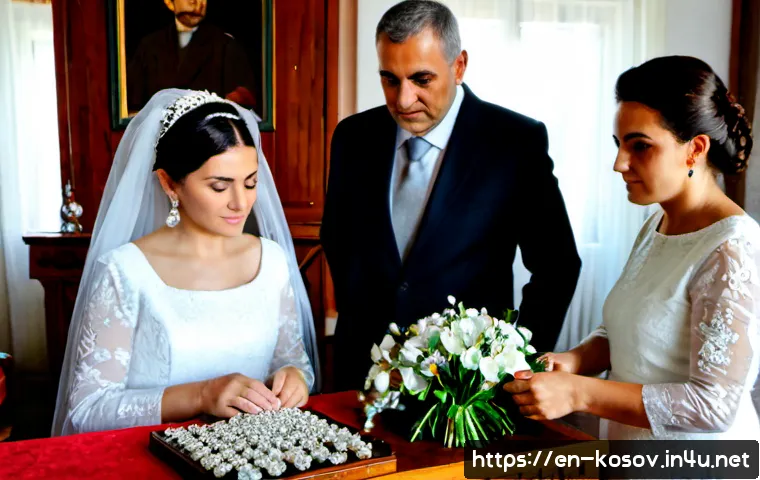
For guests and couples, the safest approach is to confirm practical details directly with the hosts before making assumptions about attire, gifts, music, or ceremony format.
Many celebrations feature strong family involvement, generous hospitality, formal clothing, music, dancing, and substantial food service. Large guest networks can make venue capacity, catering, transport, and accommodation major planning decisions.
Kosovo uses the euro, so couples can compare local vendor quotations in EUR without currency conversion inside the country. For international couples and diaspora families, bilingual coordination and written vendor terms can make planning easier.
At a Glance
- Family expectations come first: customs can differ widely between households, regions, religions, and communities.
- Guest-focused celebrations are common: large family networks, food, music, dancing, and formal attire often play central roles.
- Plan practical details early: compare venue capacity, catering, transport, accommodation, and vendor quotes in EUR.
| Wedding Format | Planning Complexity | Guest Considerations | Likely Vendor Needs |
|---|---|---|---|
| Family-led local celebration | Family coordination may guide many decisions | Extended family and local guest networks may be important | Venue, catering, music, photography, local transport |
| Destination-style event | Travel and accommodation require added coordination | Guests may arrive from several countries | Accommodation support, airport transport, bilingual coordination |
| Diaspora wedding | Schedules may need to match overseas travel plans | Western Europe, North America, and Balkan travel may be involved | Guest transport, hotel planning, photography, written vendor timing |
What to Expect at a Wedding Celebration in Kosovo
A wedding celebration in Kosovo may feel highly social, family-centered, and carefully hosted. Many weddings are influenced by Albanian family traditions, while the actual sequence of events depends on the household, community, region, and religious background. Do not assume that one family’s approach will apply to another.
The Role of Family, Hospitality, and Large Guest Networks
Extended-family involvement is common in many celebrations. This can affect who helps make decisions, how guest lists are built, and whether separate gatherings are held for the bride’s and groom’s families. Hospitality is often a visible part of the event, so substantial food service and attentive hosting may matter as much as the ceremony itself.
Why Customs Differ Between Households and Communities
Albanian-language customs are prominent in much of Kosovo, but Serbian and other communities may follow different cultural or religious traditions. Even within the same cultural background, expectations around alcohol, mixed-gender dancing, clothing, gifts, and religious elements can vary. A respectful guest asks rather than assumes.
Three Quick Expectations for First-Time Guests
First, expect a social event rather than a short ceremony-only occasion. Second, wear formal clothing unless the invitation or hosts say otherwise. Third, confirm the timing, photography preferences, gift approach, and any family-sensitive boundaries before the day.
Traditions, Modern Choices, and Religious Considerations
Couples can blend family traditions with a modern event style. The practical goal is not to copy a standard format, but to agree on which moments are meaningful to both families and which services are needed to support them.
Engagement and Pre-Wedding Gatherings
Some families may include engagement events or separate pre-wedding gatherings. Others may keep the schedule simple or combine celebrations. The exact ritual order, duration, and symbolism should be confirmed with the families involved, especially when guests are traveling from abroad.
Music, Dancing, Clothing, and Shared Meals
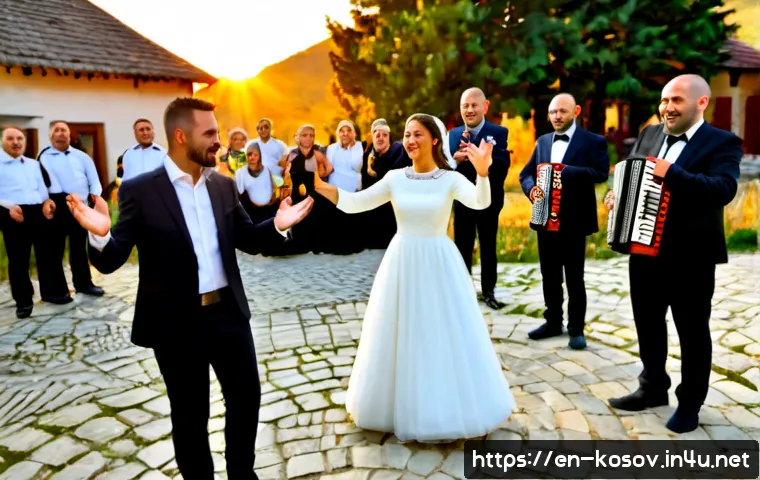
Music, dancing, formal attire, and shared meals are central features of many Kosovo wedding celebrations. When comparing a music provider, ask about timing, equipment needs, language preferences, and whether the schedule can accommodate family requests. For catering, focus on guest capacity, service timing, menu flexibility, and the venue’s operational limits.
Civil, Religious, and Symbolic Ceremony Choices
A civil marriage registration is the legal component of marriage. A religious ceremony may be deeply meaningful for a family, but it should not be assumed to replace legal requirements. Couples should confirm current municipal paperwork, appointments, fees, and document-recognition rules directly with the relevant municipality.
Planning Costs and Vendor Value in Kosovo
Wedding budgets are easier to manage when every provider is compared on the same written basis. Kosovo uses the euro (EUR), which helps couples review local venue, catering, photography, transportation, and accommodation quotations in one currency.
Budget Categories to Compare in Euros
Create separate budget lines for the venue, catering, music, event photography, guest transport, accommodation, clothing, and any planning or translation support. Do not rely on an informal total alone. A lower initial quote may include fewer services, a different event duration, or a smaller guest capacity.
Venue, Catering, Photography, Music, and Transport Quote Questions
Ask each provider what is included, how many guests can be served, what timing is covered, and what happens if plans change. For a wedding venue, clarify seating capacity and event timing. For catering, clarify service scope and guest-count assumptions. For a photographer, discuss coverage hours, delivery expectations, and family-photo priorities. For transport, confirm routes, guest pickup points, and timing for arrivals from abroad.
When a Wedding Planner or Bilingual Coordinator May Be Worth the Cost
A local wedding planner or bilingual coordinator may be useful when the couple lives abroad, does not share a common working language with vendors, or needs help comparing several service providers. Family-led coordination may work well when relatives know the area and have time to manage details. The best choice depends on communication needs, guest travel, and family roles, not on a one-size-fits-all rule.
Guest Etiquette and Common Mistakes to Avoid
The most reliable etiquette is simple: follow the invitation, respect the hosts’ preferences, and ask discreetly when something is unclear. This matters especially for guests attending their first Balkan or Kosovo family celebration.
Invitations, Arrival Times, and Respectful Dress Choices
Read the invitation carefully and confirm the location, start time, and expected formality. If you are unsure about dress expectations, ask the hosts or a close family contact. Avoid treating attire as a minor detail when a family has expressed a preference.
Gifts, Cash Envelopes, and How to Ask the Hosts Appropriately
Gift preferences and cash-envelope expectations are household-specific. It may be appropriate to ask a close family member, member of the wedding party, or the hosts directly what would be most welcome. Do not assume a cash gift is required, or that a physical gift is preferred, without checking.
Photography, Social Media, Alcohol, and Family Boundaries
Before posting images, confirm whether the couple and families are comfortable with social media sharing. The same care applies to alcohol and dancing: what is normal at one celebration may not suit another. When in doubt, follow the hosts’ lead.
Tips for International Couples and Diaspora Families
International planning often adds travel coordination rather than changing the importance of family expectations. Guests may arrive from Western Europe, North America, or neighboring Balkan countries, so clear communication can prevent avoidable pressure close to the event date.
Coordinating Guests Arriving From Abroad
Share the core schedule early, including the location, likely transport needs, and whether multiple family gatherings are planned. A simple guest list that notes arrival routes and accommodation needs can help couples decide whether group transport or hotel coordination is useful.
Language Support, Accommodation, and Airport Transport
If some guests do not speak Albanian, Serbian, or the language used by local vendors, consider assigning a bilingual contact person. Compare accommodation options by location, access to the venue, and transportation needs. For airport transport, confirm pickup times, passenger capacity, and how schedule changes will be handled.
Confirming Legal Documents Directly With the Relevant Municipality
Document requirements can change and may depend on where documents were issued. International couples should confirm current requirements directly with the relevant municipality before booking ceremony dates or making non-refundable arrangements.
Selection Criteria and Comparison Summary
Choose the format that fits family expectations, guest travel needs, budget categories, and the couple’s preferred level of coordination. Before confirming a venue or supplier, compare written scope, guest capacity, event timing, payment stages, cancellation terms, and what is excluded from each EUR quote. Confirm whether catering, music, photography, transport, and accommodation arrangements match the actual guest plan. For planners and vendors, review the service details and contract conditions on the relevant provider page before making a commitment.
Conclusion
A Kosovo wedding can combine close family involvement with a highly personal modern celebration. The strongest plans leave room for meaningful family customs while making practical arrangements clear for guests and suppliers. Ask direct questions early, especially where travel, language, legal registration, or household preferences are involved. Clear written comparisons can help couples protect both their budget and the guest experience.
Useful Things to Know
Currency: Local wedding quotes can be compared in EUR. Legal step: Civil registration is the legal component of marriage. Culture: Albanian traditions are influential in much of Kosovo, but community and family practices vary. Travel: Diaspora weddings may require extra attention to accommodation and local transportation.
Important Notes
Exact rituals, vendor pricing, municipal rules, gift customs, invitation practices, and religious expectations cannot be assumed from general wedding culture. Confirm these details with the hosts, vendors, and relevant municipality. Written terms are particularly important before paying deposits or arranging international travel.
Frequently Asked Questions
Q1. How much does a wedding in Kosovo typically cost?
A1. Costs vary by guest count, venue, catering, music, photography, transport, accommodation, season, and service scope. Compare written quotations in EUR and check exactly what each vendor includes before setting a final budget.
Q2. Is it appropriate to give cash as a wedding gift in Kosovo?
A2. Gift preferences, including cash envelopes, vary by household. Ask the hosts, a close relative, or a member of the wedding party what is appropriate for that particular celebration.
Q3. Do international couples need a wedding planner or translator for a Kosovo wedding?
A3. Not always. A planner or bilingual coordinator may be useful when couples are arranging services from abroad, managing many traveling guests, or communicating with several local vendors. Family-led planning can also work well when trusted relatives can coordinate locally.