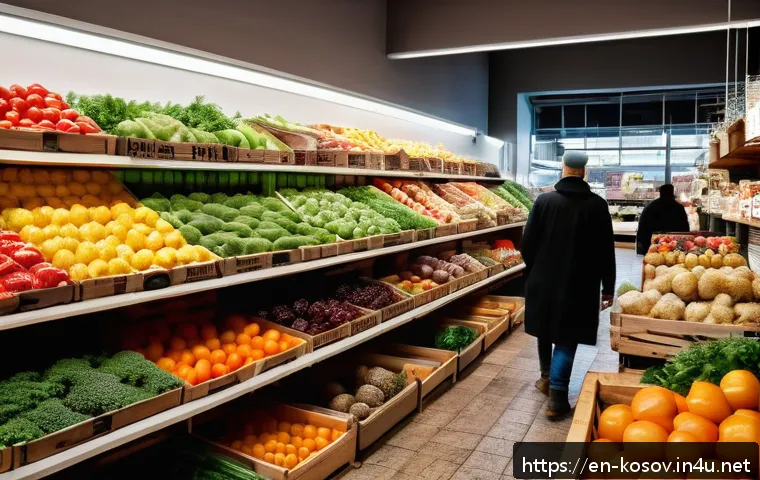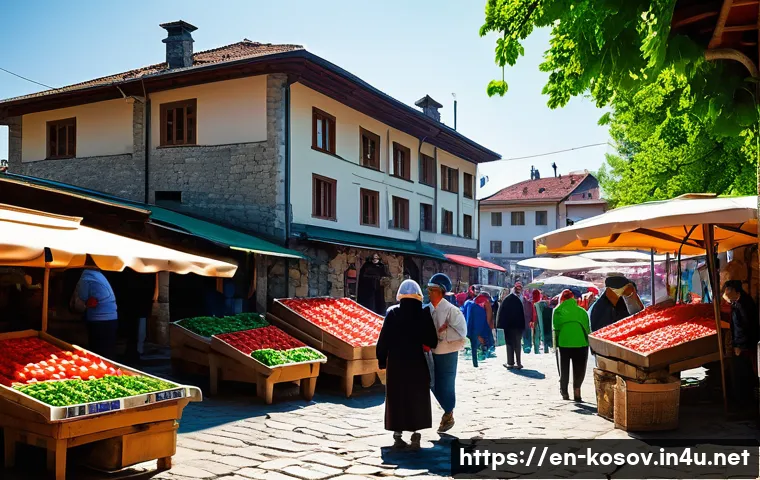
Exploring traditional markets in Kosovo offers a vibrant glimpse into the country’s rich culture and everyday life. These bustling hubs are filled with colorful stalls showcasing fresh produce, handmade crafts, and authentic local flavors.
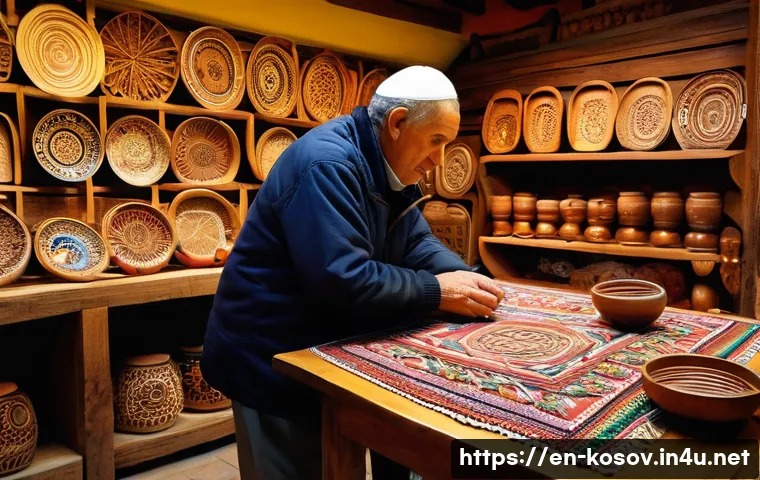
Walking through the lively alleys, you can feel the warm spirit of community and discover stories behind each unique item. Whether you’re a foodie or a culture enthusiast, Kosovo’s markets provide an unforgettable sensory experience.
Let’s dive deeper and uncover the charm and secrets of these local treasures together!
The Heartbeat of Kosovo’s Local Markets: A Sensory Adventure
The Vibrant Array of Fresh Produce
Walking into a traditional market in Kosovo, the first thing that strikes you is the explosion of colors from the fresh fruits and vegetables. From bright red peppers to deep green herbs, every stall seems to compete for your attention.
What’s fascinating is how much of this produce is locally grown, reflecting the country’s agricultural heritage. I remember once chatting with a vendor who proudly explained how their family has cultivated tomatoes for generations, using techniques passed down through time.
The freshness is unmistakable — biting into a crisp apple right there on the spot is a sensory delight. It’s not just about shopping; it’s about connecting with the land and the people who nurture it.
Handcrafted Treasures and Artisanal Goods
Beyond the food, Kosovo’s markets are a treasure trove of handmade crafts that tell stories of tradition and creativity. Walking past stalls adorned with intricate embroidery, hand-carved woodwork, and delicate pottery, you get a sense of the pride artisans take in their work.
Each piece is unique, often reflecting centuries-old motifs blended with modern touches. I’ve personally found that bargaining here isn’t just a transaction—it’s a conversation, a chance to learn about the artist’s passion and the history behind their craft.
These markets are living museums where culture is not only preserved but celebrated.
The Rich Aroma and Flavors of Local Delicacies
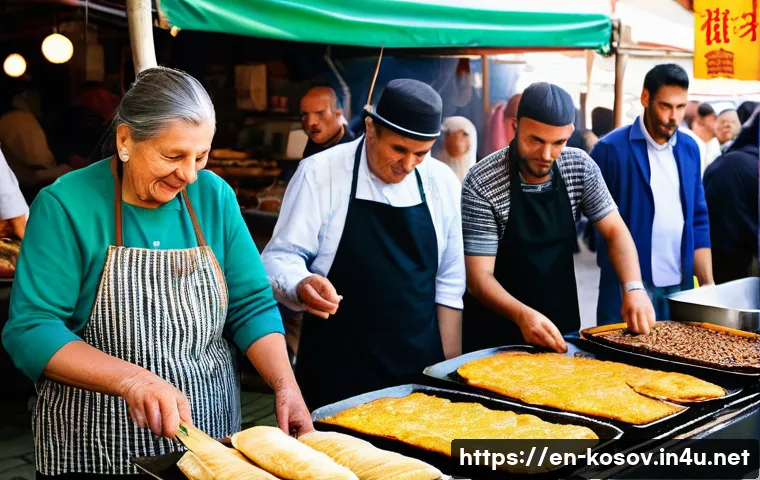
One of the most unforgettable parts of exploring these markets is the food. The air is thick with the smell of freshly baked bread, sizzling meats, and aromatic spices.
I recall sampling a local pastry called “flija,” layered and cooked over coals, which felt like a warm hug on a chilly day. Street vendors offer everything from savory cheese pies to sweet honey-soaked treats, inviting you to taste the authentic flavors of Kosovo.
The markets become a melting pot where tradition meets appetite, and every bite tells a story of home and heritage.
Community Connections and Market Life
Social Hub Beyond Commerce
Markets in Kosovo aren’t just places to buy goods; they serve as vital social gathering points. People from all walks of life come here, not only to shop but to catch up on news, share stories, and strengthen bonds.
I observed groups of elderly men debating football matches, while younger families negotiated prices and exchanged recipes. This vibrant social fabric adds warmth to the market experience, making it more than a simple marketplace—it’s a microcosm of community life.
The Role of Markets in Sustaining Local Economy
The economic significance of these markets cannot be overstated. Many small-scale farmers and artisans rely on them as their primary source of income.
I found that shopping here directly supports local livelihoods and encourages sustainable practices. Unlike large supermarkets, these markets reduce the distance food travels, lowering the carbon footprint and fostering a closer relationship between producers and consumers.
This connection cultivates a sense of responsibility and appreciation for the effort behind every product.
Seasonal Rhythms and Market Dynamics
The character of Kosovo’s markets shifts with the seasons, reflecting the natural cycle of agriculture and cultural celebrations. In spring and summer, stalls overflow with fresh fruits, vegetables, and flowers, while autumn brings nuts, preserves, and hearty root vegetables.
Winter markets offer smoked meats, cheeses, and warming spices, creating a cozy atmosphere. Experiencing these seasonal changes firsthand gives you insight into how deeply intertwined the markets are with local life and nature’s rhythms.
Traditional Flavors and Culinary Traditions
Exploring Kosovo’s Unique Spices and Ingredients
Kosovo’s traditional markets offer a fascinating glimpse into the local palate, which is characterized by a rich blend of spices and fresh ingredients.
I was intrigued by the wide variety of herbs available—like savory, mint, and wild thyme—that add depth to everyday dishes. Many vendors proudly showcase homemade ajvar, a red pepper-based relish that’s a staple on many tables.
Sampling these authentic ingredients in the market context gave me a new appreciation for how flavors are layered and balanced in Kosovo’s cuisine.
Street Food Delights and Must-Try Snacks
No market visit is complete without indulging in street food. Kosovo’s markets are dotted with vendors selling quick bites that pack a punch of flavor.
I found myself drawn to the sizzling burek, a flaky pastry filled with cheese, meat, or spinach, often enjoyed with a dollop of yogurt. Another favorite was the simple yet satisfying roasted corn, perfect for munching while wandering through the stalls.
These snacks provide a delicious way to experience local culture on the go.
Cooking Traditions Passed Through Generations
Behind many of the market offerings are age-old recipes handed down through families. I had the chance to speak with a grandmother who sells homemade jams and preserves, each jar a labor of love made from fruits picked in her backyard.
These culinary traditions connect generations, preserving not just flavors but stories and memories. Sampling these homemade treats reminded me that food in Kosovo is much more than nourishment—it’s an expression of identity and heritage.
Architectural Charm and Market Layout
Historic Market Buildings and Their Stories
Many of Kosovo’s traditional markets are housed in buildings that carry centuries of history. I was particularly captivated by the stone walls and wooden beams that framed the bustling stalls, giving the space a timeless feel.
Some markets date back to Ottoman times, and walking through them feels like stepping into a different era. The architecture itself tells a story of resilience and adaptation, blending old-world charm with the lively pulse of modern commerce.
The Flow and Organization of Market Spaces
Despite their seemingly chaotic appearance, Kosovo’s markets are surprisingly well organized. Vendors are often grouped by product type, making it easier to navigate.
I noticed that fresh produce stalls tend to be near the entrance, while crafts and textiles are deeper inside. This layout encourages exploration and discovery, inviting visitors to meander and stumble upon unexpected treasures.
The design fosters an immersive experience where every corner holds a new surprise.
Balancing Tradition with Modern Needs
While these markets cherish tradition, they are not stuck in the past. Many vendors have embraced modern conveniences like mobile payment options and social media promotion to attract younger customers.
I found that some artisans now offer custom orders online, blending the best of both worlds. This balance between preserving heritage and adapting to contemporary demands ensures that Kosovo’s markets remain vibrant and relevant in today’s fast-paced world.
A Shopper’s Guide: What to Expect and How to Prepare
Timing Your Visit for the Best Experience
To truly soak in the atmosphere, timing your market visit is key. Early mornings are perfect for catching the freshest produce and witnessing the market come alive.
I recommend arriving before 10 a.m. to avoid the afternoon rush and to enjoy the freshest selections. Weekends tend to be busier, with more vendors and special stalls, but also more crowds.
Planning your visit midweek can provide a more relaxed experience if you prefer a quieter stroll.
Essential Etiquette and Tips for Bargaining
Navigating the markets respectfully enhances your experience. Greeting vendors with a smile and a simple “Mirëdita” (hello) goes a long way. Bargaining is expected but should be done politely and with good humor.
I found that starting with a friendly chat about the product or its origin often leads to better prices and a more meaningful interaction. Remember, it’s about building rapport rather than winning a contest.
Practical Packing Advice for Market Days
Comfort is crucial when exploring these lively markets. Wear sturdy shoes as you’ll be walking on cobblestones and uneven surfaces. Bring a reusable bag or basket to carry your purchases sustainably.
Hydration is important, especially in summer, so pack a water bottle. Having some local currency (Euro is used in Kosovo) in small denominations makes transactions smoother.
Lastly, a camera or smartphone is handy to capture the vibrant scenes and unique finds.
Comparing Kosovo’s Markets: Highlights and Unique Features
| Market Name | Location | Specialty | Atmosphere | Best Time to Visit |
|---|---|---|---|---|
| Pristina Bazaar | Capital City | Fresh produce, spices, textiles | Lively and bustling | Morning weekdays |
| Peja Old Market | Western Kosovo | Handicrafts, traditional foods | Historic and charming | Weekend mornings |
| Gjakova Market | Southwest Kosovo | Cheese, meat, local delicacies | Friendly and community-focused | Saturday mornings |
| Ferizaj Market | Southern Kosovo | Seasonal fruits, vegetables | Casual and family-oriented | Early mornings |
| Mitrovica Market | Northern Kosovo | Mixed goods, crafts | Eclectic and diverse | Weekends |
In Conclusion
Visiting Kosovo’s local markets is more than just shopping—it’s an immersive experience that connects you with the culture, history, and people of the region. The vibrant colors, rich aromas, and warm community spirit create a unique atmosphere that stays with you long after you leave. Whether you’re a foodie, a culture enthusiast, or simply curious, these markets offer something truly special.
Useful Information to Keep in Mind
1. Arrive early in the morning to enjoy the freshest produce and avoid crowds for a more relaxed visit.
2. Always greet vendors warmly and engage in polite bargaining to enrich your market experience.
3. Wear comfortable shoes and bring a reusable bag to navigate the cobblestone streets sustainably.
4. Carry small denominations of the Euro for smooth and hassle-free transactions.
5. Don’t miss tasting local specialties like flija and burek to truly savor Kosovo’s culinary heritage.
Key Takeaways
Kosovo’s markets are vibrant hubs that blend tradition with modern life, supporting local economies and preserving cultural heritage. They offer a sensory feast through fresh, locally grown produce and handmade crafts while fostering strong community bonds. Planning your visit with respect for local customs and a sense of curiosity will help you fully appreciate the rich tapestry these markets present.
Frequently Asked Questions (FAQ) 📖
Q: What can I expect to find at traditional markets in Kosovo?
A: When visiting traditional markets in Kosovo, you’ll encounter a lively atmosphere brimming with fresh fruits and vegetables, locally made cheeses, cured meats, and an array of handmade crafts like embroidery and woodwork.
The markets also feature authentic street food stalls where you can savor local specialties such as flija or pite. Beyond shopping, these markets offer a genuine cultural experience where you can interact with friendly vendors eager to share stories about their products and heritage.
Q: Are Kosovo’s traditional markets suitable for tourists who don’t speak the local language?
A: Absolutely! While the primary language is Albanian or Serbian depending on the region, many market vendors are used to tourists and can communicate basic English or use gestures to help you out.
The vibrant visual displays and the welcoming atmosphere make it easy to explore even without fluent language skills. Plus, engaging with locals, even with simple phrases or smiles, often leads to memorable exchanges and a richer experience.
Q: What’s the best time to visit these markets to get the most authentic experience?
A: Early mornings are ideal if you want to see the freshest produce and avoid the biggest crowds. Vendors often bring their best goods in the morning, so arriving early means you can witness the market at its liveliest and catch the genuine buzz of daily life.
However, if you prefer a more relaxed stroll with time to chat and explore crafts, late mornings to early afternoons work well too, especially on market days when the community gathers for socializing alongside shopping.