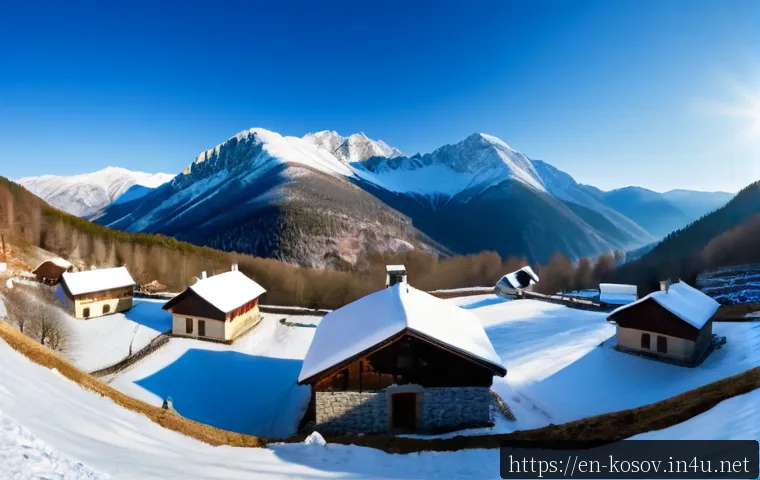
For warm-weather sightseeing and outdoor plans, summer is usually the simplest season to organize in Kosovo. For a quieter trip with changing conditions, spring and autumn can work well if you pack layers and keep reservations flexible.
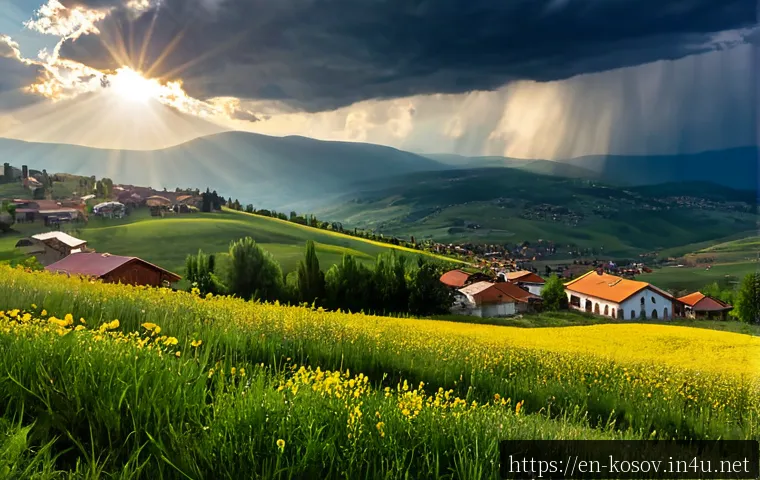
Winter travel may suit visitors interested in colder landscapes, but transport and mountain access deserve closer attention. Kosovo’s weather can feel different between urban areas, rural routes, and higher-elevation destinations.
Before booking, compare cancellation terms, rental-car coverage, and travel insurance options based on your route and comfort level.
At a Glance
- Summer is generally the easiest choice for warmer city sightseeing and outdoor-focused travel.
- Spring and autumn call for layered clothing, flexible plans, and frequent forecast checks.
- Winter may bring colder conditions and possible snow, especially outside cities and at higher elevations.
| Trip Priority | Season to Consider | Planning Focus |
|---|---|---|
| Warm-weather sightseeing | Summer | Sun protection, comfortable walking shoes, outdoor itinerary timing |
| Flexible city break | Spring or autumn | Layers, rain-ready items, accommodation cancellation policy |
| Mountain or rural exploration | Any season with preparation | Road checks, local access, rental-car terms, backup plans |
| Cold-season travel | Winter | Warm clothing, transport flexibility, weather-related coverage |
Kosovo’s Seasonal Weather at a Glance
Quick answer for summer trips, city breaks, hiking, and winter travel
Choose summer if your priority is a straightforward trip with more comfortable conditions for walking around cities and spending time outdoors. Choose spring or autumn if you value a potentially less busy feel and do not mind changing weather during the same day. Winter can be a suitable option for travelers who are prepared for cold conditions and possible disruption to rural or mountain plans.
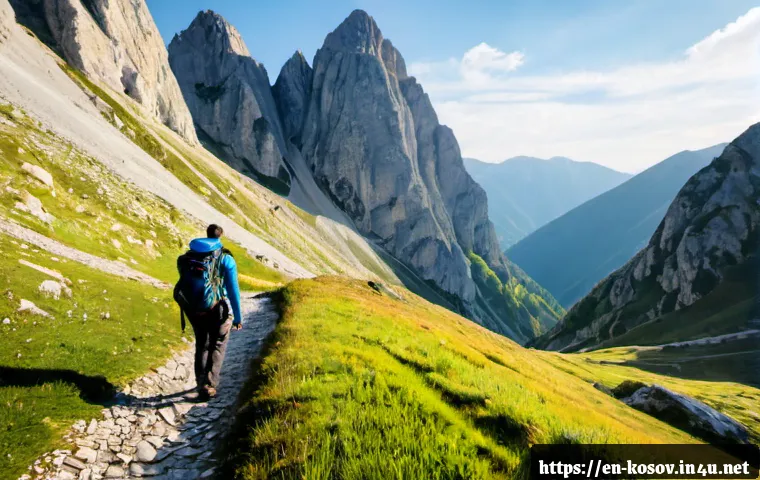
For hiking or scenic drives, the key issue is not only the season. Altitude, local road access, and short-term weather changes can matter more than a general seasonal label. Build room into your itinerary rather than scheduling every outdoor activity around one fixed day.
Why elevation and location can change the experience
Do not pack only for the conditions you expect in Pristina or another urban area. A route that includes villages, mountain areas, or higher-elevation roads may require warmer layers, sturdier footwear, and more cautious transport planning. Forecasts should be checked for each stop on your route, not just for your arrival city.
This matters most when you have limited time. A city-focused traveler may be able to switch museums, cafés, or indoor attractions into the schedule. A rural itinerary may need a more practical backup plan if weather affects roads or access.
Compare Seasons for Comfort, Activities, and Trip Value
Summer: warmer sightseeing days and outdoor travel
Summer is often the most convenient choice for travelers who want to combine urban sightseeing with outdoor time. Pack breathable clothing, walking shoes, a light extra layer for evenings, and sun protection. If you expect to move between towns or spend long periods outside, plan breaks and avoid relying on one tightly timed activity.
Accommodation and transport choices still matter. A non-refundable booking may be fine for a simple city stay, but travelers combining several stops may prefer a flexible hotel rate when their route depends on outdoor plans.
Spring and autumn: changing conditions and layered packing
Spring and autumn can suit travelers who enjoy city breaks, cultural visits, and a less fixed itinerary. Conditions can change quickly enough that a layer-based packing system is more useful than one heavy outfit. Consider a light waterproof outer layer, comfortable closed shoes, and clothing that can be added or removed easily.
These seasons can reward flexibility. Compare accommodation cancellation deadlines before reserving, especially if your trip includes rural roads, outdoor activities, or onward transport that may be affected by poor conditions.
Winter: colder conditions, potential snow, and transport planning
Winter requires the most careful planning. Cold conditions and possible snow may affect driving, mountain access, and the reliability of some travel connections. Do not assume a route that looks easy on a map will be equally simple during severe weather.
If renting a vehicle, review rental-car coverage, permitted driving areas, assistance procedures, and any equipment requirements directly with the provider. Travel insurance may also be worth comparing for benefits related to weather interruptions, medical support, or trip changes, but coverage wording and exclusions must be checked before purchase.
Plan Your Budget Around Weather-Related Travel Choices
When flexible hotel rates may be worth considering
A flexible rate can be useful when weather is a major part of your trip decision. It may be more relevant for multi-stop routes, mountain stays, winter travel, or itineraries with guided outdoor activities. For a short urban visit with few weather-sensitive plans, a less flexible option may still suit your needs if you understand the cancellation terms.
Look beyond the headline rate. Check the cancellation deadline, whether changes are allowed, and whether the reservation can be adjusted if travel plans shift. These details can be more valuable than choosing solely by the initial room price.
Rental car, local transport, and insurance considerations
A rental car may provide more freedom for rural areas, but it also adds responsibility when conditions are uncertain. Confirm pickup rules, fuel requirements, cross-border restrictions if relevant to your plans, roadside support, and what the rental agreement says about weather-related issues.
Public transport can be practical for city-focused travel, while a car may make sense for travelers building an itinerary around smaller destinations. Neither option removes the need to check current conditions. Before finalizing plans, compare travel insurance options based on your actual activities and read the policy limits rather than assuming weather disruption is automatically covered.
Packing and Booking Mistakes to Avoid
Building a layer-based packing list

A practical Kosovo packing list starts with adaptable basics: a light outer layer, warmer layer, comfortable walking shoes, and clothing that works indoors and outdoors. Add rain-ready items for shoulder-season travel and warmer accessories for winter. For rural or mountain plans, prioritize grip, comfort, and a small day bag for extra layers.
Avoid packing for only one forecast or one city. Your arrival location may not reflect conditions at higher elevations or on a long driving route.
Checking forecast details, road conditions, and cancellation terms
Check forecasts close to departure and again before moving between regions. For winter or mountain travel, verify road conditions and access information through current official or local sources. Also confirm whether guided activities operate in poor weather and whether your booking can be changed.
Do not wait until disruption occurs to read booking terms. Review hotel cancellation rules, car rental conditions, transport tickets, and insurance documents before committing to a non-refundable plan.
Travel Tips by Itinerary Type
City-focused weekends in Pristina and other urban areas
City-focused travelers can usually plan with more flexibility because indoor alternatives are easier to find. Bring walking-friendly shoes and a layer for changing conditions. A short trip can be less dependent on a rental car, although your preferred transport option should reflect your arrival time, luggage, and planned day trips.
Rural, mountain, and outdoor-focused itineraries
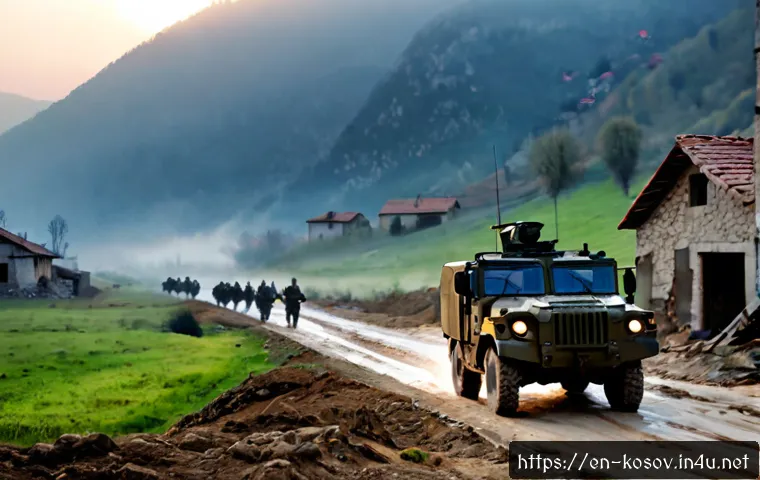
Outdoor travelers should allow extra time between stops and avoid treating every route as guaranteed. Keep a backup destination or rest day in mind. A rental car can be useful, but only after you are comfortable with the provider’s terms and current road conditions.
Traveling with children or limited mobility during colder months
For families, older travelers, or anyone with limited mobility, cold or wet conditions can make a rushed itinerary less comfortable. Choose accommodation with convenient access, reduce the number of transfers, and leave more time for each journey. Confirm accessibility details directly with hotels, transport providers, and activity operators.
Selection Criteria and Comparison Summary
Choose your Kosovo travel setup by checking these points before booking:
- Activity type: city sightseeing, hiking, driving, or winter-focused travel.
- Weather tolerance: whether you are comfortable adapting to cold, rain, or changing plans.
- Route complexity: one urban base versus several rural or higher-elevation stops.
- Booking flexibility: cancellation deadlines and change rules for stays and activities.
- Transport protection: rental-car terms, roadside support, and relevant insurance coverage.
Compare flexible booking options before reserving, and review the full terms on the relevant accommodation, rental-car, or insurance page.
Closing Thoughts
Kosovo can be planned around any season when the itinerary matches the conditions you may encounter. Summer often simplifies outdoor travel, while spring and autumn reward travelers who pack layers and stay adaptable. Winter can be worthwhile with careful transport planning and realistic expectations. The best approach is to match your reservations and packing list to your route, not just to the calendar.
Useful Information to Keep in Mind
Check each destination separately: Weather in an urban area may not match rural or higher-elevation conditions. Keep a backup plan: Indoor city activities can help if outdoor plans change. Read the fine print: Flexible booking, vehicle coverage, and insurance can differ widely by provider and policy.
Important Notes
Exact temperatures, rainfall, snowfall, road conditions, mountain access, flight disruptions, and public transport reliability should be verified close to your travel dates. Current prices, cancellation policies, rental-car terms, and insurance coverage are not fixed and require direct confirmation with the relevant provider.
Frequently Asked Questions
Q1. What is the best time to visit Kosovo for comfortable sightseeing weather?
A1. Summer is generally the easiest choice for warmer sightseeing and outdoor time. Spring and autumn can also suit city breaks if you are prepared for variable conditions and pack layers.
Q2. Is travel insurance worth considering for a Kosovo trip in winter or the shoulder seasons?
A2. It may be worth comparing if your plans include weather-sensitive transport, outdoor activities, or non-refundable reservations. Check the policy wording, exclusions, limits, and weather-related benefits before buying.
Q3. Should I rent a car in Kosovo if I plan to visit rural or mountain areas?
A3. A rental car may offer more flexibility for rural or mountain-focused routes, but check current road conditions and the rental agreement first. Review vehicle coverage, assistance options, permitted routes, and any seasonal requirements before reserving.