Hey fellow adventurers and history buffs! You know, sometimes you stumble upon a place that just grabs your heart and refuses to let go. For me, the National Museum of Kosovo in Pristina was exactly that kind of experience.
Walking through its grand entrance, I felt an immediate connection to the rich, complex tapestry of this nation’s past. It’s not just a collection of artifacts; it’s a living narrative, a testament to resilience, and a beacon for understanding a culture that’s vibrantly carving out its future while honoring its deeply rooted heritage.
In a world where we’re increasingly looking for authentic, impactful travel experiences, a visit here feels incredibly vital. You truly get to feel the pulse of Kosovo, from ancient times right up to its most recent history, which, let’s be honest, is still shaping the global conversation around identity and nationhood.
I’ve heard some buzz lately about how museums in emerging destinations are becoming crucial cultural diplomacy tools, and after my visit, I totally get it.
This place isn’t just showcasing history; it’s shaping perceptions and inviting global dialogue. If you’re anything like me, you’re always searching for that next meaningful journey, and trust me, this is one stop you won’t want to miss.
It really shifted my perspective and offered so many incredible insights. Let’s peel back the layers and discover the wonders held within its walls. Let’s dive deeper and uncover what makes this museum a true treasure.
Stepping Through Time: A Glimpse into Kosovo’s Ancient Soul
Unearthing the Neolithic Wonders
When I first stepped into the archaeological wing of the National Museum of Kosovo, I honestly wasn’t sure what to expect. But let me tell you, it was like a secret door opening to a world I never knew existed, a journey back to the very dawn of civilization in this part of the Balkans.
The sheer depth of history on display is breathtaking. You’re immediately drawn to the prehistoric artifacts, each piece telling a silent story of the people who inhabited this land thousands of years ago.
I spent a good deal of time marveling at the pottery, tools, and figurines that have been unearthed from various sites across Kosovo. It’s not just about the age of these objects; it’s the human connection, imagining the hands that shaped them, the lives they touched.
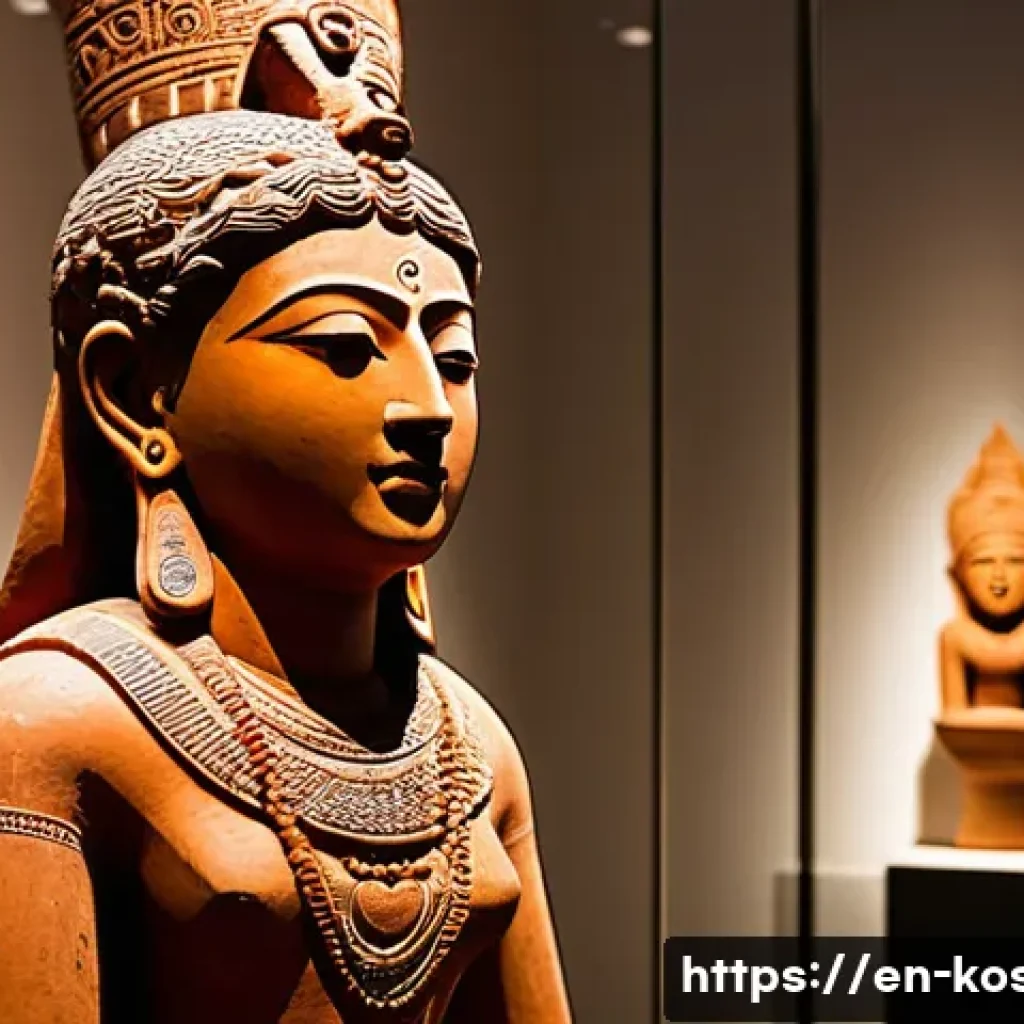
It truly makes you feel grounded, like you’re part of a much larger, continuous story. Among the many treasures, one piece really stood out and captivated my imagination: the “Goddess on the Throne” figurine.
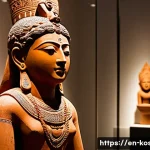
Dating back to an incredible 3500 BC, this terracotta masterpiece is more than just an artifact; it’s a powerful symbol of ancient Dardania and a source of immense national pride.
Seeing it in person, you can feel the weight of its history, a testament to the advanced cultures that flourished here long before recorded history. It’s truly a must-see, and for me, it was a moment of pure awe, thinking about how such intricate artistry existed so many millennia ago.
The museum does an incredible job of presenting these finds, making ancient history feel remarkably accessible and engaging, even for someone who might not typically consider themselves an archaeology buff.
The English-language texts are exceptionally well-written, guiding you through the Illyrian, Dardanian, and Roman periods with clarity and passion, enhancing that immersive feeling that I absolutely love in a good museum.
Echoes of Roman and Byzantine Eras
Moving past the Neolithic marvels, the museum seamlessly transitions into the Roman and Byzantine periods, and again, I found myself completely absorbed.
It’s fascinating to see how the landscape of Kosovo was shaped by these colossal empires. You’ll encounter a rich array of Roman-era remains, from elegant pottery and intricate jewelry to everyday utensils and formidable armaments.
What struck me most was the evidence of Ulpiana, a significant Roman settlement near Pristina, which once stood as one of the most vital Roman centers in the Balkans, connecting major cities like Constantinople and Rome.
The exhibits beautifully illustrate the daily lives of people, their beliefs, and their societal structures under Roman rule. I particularly enjoyed the large stone relief depicting a Dardanian funeral procession – it offers such a poignant glimpse into the spiritual world of these ancient civilizations.
It’s not just about grand empires, but about the individual stories embedded in each fragment, each inscription. The transition from Roman to Byzantine influences is also subtly yet effectively conveyed, showing how various cultures layered upon one another, contributing to the rich tapestry of Kosovo’s heritage.
The museum is more than just a place to see old things; it’s a window into the continuous flow of human activity and cultural evolution in this captivating region.
You really get a sense of how resilient and adaptive the people of this land have been throughout history, a trait that clearly continues to this day.
Navigating Through Empires: Ottoman and Beyond
The Enduring Legacy of the Ottoman Period
After soaking in the ancient history, I ventured into the sections covering the Ottoman period, and honestly, it felt like stepping into a completely different world, vibrant with distinct cultural imprints.
The museum brilliantly showcases how this significant era profoundly shaped Kosovo’s cultural and architectural landscape, leaving an indelible mark that you can still feel in Pristina today.
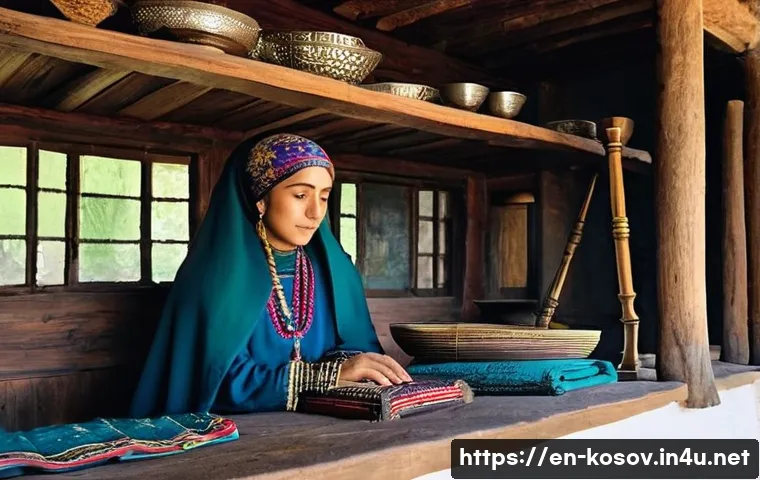
I loved seeing the collections of traditional costumes, which are incredibly colorful and intricately designed – each garment feels like a work of art, telling a story of family, status, and regional identity.
It really brought to life the traditional Albanian culture for me. Beyond the clothing, you’ll find an array of household items, weaponry, and documents from this time, all of which beautifully illustrate the daily life, customs, and political structures of centuries past.
It’s not just about the big historical events, but the small, intimate details of how people lived, cooked, and celebrated. I spent a long time looking at the ornate metalwork and handcrafted wooden items, marveling at the craftsmanship that has been passed down through generations.
This section really emphasizes the depth of cultural continuity, showing how traditions persisted and evolved even through centuries of external influence.
It deepened my appreciation for the rich traditions that still thrive here.
Unfolding Modern Chapters: From Yugoslavia to Independence
The journey continues into the 20th century, a period of immense change and often profound struggle for Kosovo. This part of the museum is crucial for anyone trying to understand the nation’s contemporary identity and path to independence.
It meticulously documents Kosovo’s struggles and aspirations through various political regimes, including its complex time within Yugoslavia. What struck me most were the poignant photographs, official documents, and personal testimonies that weave together a powerful narrative of resilience and the unwavering pursuit of national identity.
You can truly feel the emotional weight of these exhibits, reflecting on the challenges faced and the sacrifices made. It’s not just a collection of facts; it’s a deeply human story of a people determined to forge their own future.
There are displays detailing the events leading up to the 1998-1999 war and the subsequent declaration of independence in 2008. It’s a powerful reminder of how recent and impactful these events are, shaping the very fabric of society today.
Walking through these exhibits, you truly get a sense of the immense bravery and spirit of the Kosovar people, and it really puts a lot of what you see on the streets of Pristina into a much clearer historical context.
It definitely gave me a deeper understanding of the vibrant, resilient nation that Kosovo is today.
The Goddess on the Throne: A Symbol Enduring
Discovery and Significance
Let’s talk about the “Goddess on the Throne” again, because seriously, this artifact is just incredible and deserves its own spotlight. As I mentioned, seeing her in person was one of those travel moments that truly gave me chills.
Discovered near Pristina in 1956, this Neolithic terracotta figurine, dating back to around 3500 BC, has become an iconic symbol of Kosovo. Her simple yet powerful form, seated on what appears to be a throne, evokes a sense of ancient reverence and mystery.
For me, it wasn’t just a piece of clay; it was a tangible link to a deep past, to the earliest human settlements in this region. You find her image everywhere in Kosovo, from souvenirs to official emblems, which just goes to show how deeply she resonates with the local people and their sense of heritage.
It’s a powerful reminder that even in a relatively young nation, there are roots that stretch back thousands of years, anchoring the culture in a profound and continuous history.
The museum’s presentation of this piece is exceptional, allowing you to view it from all angles and appreciate its delicate craftsmanship and spiritual significance.
It really makes you pause and reflect on the beliefs and daily lives of those ancient communities.
Cultural Resonance and Modern Identity
What I found particularly fascinating about the “Goddess on the Throne” is its profound cultural resonance in modern-day Kosovo. She isn’t just an archaeological find; she’s a national emblem, a symbol of identity and pride.
It’s incredible how something so ancient can still be so relevant, representing the enduring spirit and heritage of the Dardanian people. When you see how passionately Kosovars embrace this symbol, it speaks volumes about their connection to their deep historical roots.
I really felt like this figurine transcended its historical context, becoming a bridge between the distant past and the vibrant present. It’s a tangible representation of a continuous culture, a silent witness to millennia of history on this land.
For any visitor, understanding the significance of the “Goddess on the Throne” is key to unlocking a deeper appreciation for Kosovo’s unique cultural narrative.
She truly embodies the resilience and rich heritage that defines this fascinating nation, and for me, it was a beautiful example of how history can inform and inspire a modern identity.
It’s a powerful icon, and I honestly felt privileged to witness it.
Beyond the Main Halls: An Extended Cultural Journey
The Ethnological Museum: A Step Back in Time
My visit wasn’t complete without exploring the Ethnological Museum, an integral part of the overall museum experience, housed in the charming Emin Gjiku Housing Complex.
Trust me, it’s worth the short walk! This complex consists of beautifully preserved Ottoman houses, some dating back to the 18th century. Stepping inside felt less like a museum and more like entering a cherished ancestral home.
The English-speaking staff provided such a fascinating, personal tour, guiding me through rooms filled with unique pieces of clothing, intricate jewelry, traditional weaponry, and household items.
I particularly loved how the exhibits are arranged to showcase the life cycle of Albanians in Kosovo during the Ottoman period, covering everything from birth and daily life to death and spiritual heritage.
It gives you such a vivid, authentic feel for how people lived, dressed, and celebrated in centuries past. The architecture itself, with its old wooden beams and stonework, is a part of the exhibit, making the experience incredibly immersive.
It’s a true deep dive into traditional Kosovar culture, and I left feeling like I had genuinely connected with the heritage of the region, understanding the intricacies of their customs and traditions firsthand.
It’s a testament to how preserving cultural heritage can bring history to life in the most intimate ways.
The Archaeological Park: An Open-Air Gallery
Just outside the main museum building, you’ll discover the Archaeological Park, also known as the Lapidarium. I think this outdoor exhibition is such a brilliant idea, extending the archaeological journey beyond the museum walls into the fresh air.
It’s specifically designed to showcase stone monuments and architectural fragments that reflect the spiritual and material worlds of ancient Dardania.
Walking among these ancient stones, epigraphic inscriptions, altars, and gravestones, I found myself piecing together fragmented stories of the past. It’s a unique opportunity to see these larger pieces in their natural element, almost as if they’ve just been unearthed.
The park isn’t just for viewing; it’s also envisioned as a place for cultural and educational events, especially for children and young people, which I think is a wonderful initiative to engage future generations with their heritage.
It really complements the indoor exhibits, offering a different perspective on the sheer scale and variety of Kosovo’s archaeological wealth. I loved the sense of quiet contemplation it offered, allowing the ancient fragments to speak for themselves under the open sky.
Beyond Artifacts: The Stories of Stolen Heritage and Return
The Lingering Shadow of Conflict
Walking through the museum, you can’t help but feel the absence of certain historical periods or artifacts, and that’s because Kosovo’s cultural heritage has faced immense challenges, particularly during the 1998-1999 war.
It was heartbreaking to learn that a significant number of precious archaeological and ethnological items – over 1,200, to be precise – were taken from the Kosovo Museum and transported to Belgrade before and during the conflict.
This isn’t just about missing objects; it’s about a part of the nation’s memory, its identity, being held elsewhere. I can only imagine the frustration and sadness this causes for the people of Kosovo, for whom these artifacts are not just historical relics but deeply personal connections to their past.
The museum, alongside the government, is actively engaged in efforts to reclaim these vital pieces of cultural heritage. They’ve even held exhibitions like “Return us Home” to raise awareness about these stolen artifacts, showcasing photographs of the treasures currently held in Belgrade.
It’s a powerful testament to their determination to fully restore their cultural narrative.
A Glimmer of Hope: Restitution and Awareness
Despite the painful reality of missing artifacts, there’s a persistent and hopeful movement towards restitution. It’s truly inspiring to see the dedication of the museum and various organizations working tirelessly to bring these treasures back home.
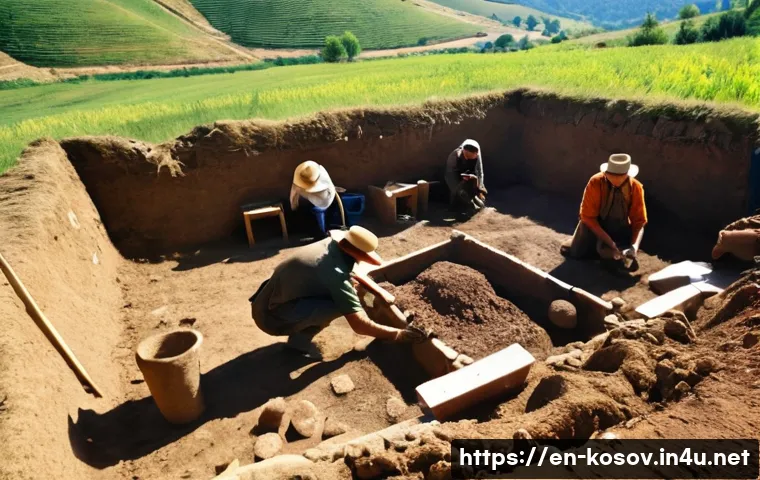
For instance, in 2013, Germany returned seven millennia-old Neolithic artifacts that had been smuggled out during the war and unexpectedly found during a police raid.
These small victories are huge for a nation rebuilding its cultural landscape. The ongoing efforts include engaging international bodies like ICOM (International Council of Museums) to put pressure on Serbia for the return of these collections.
It shows a global commitment to protecting cultural heritage, and it highlights the vital role museums play not just in preservation, but in advocacy.
For me, witnessing this struggle and the hopeful steps toward resolution added another layer of depth to my museum visit. It’s a story of resilience that extends beyond the exhibits themselves, reminding us that history is a living, breathing narrative that continues to unfold, and that cultural diplomacy is so incredibly important in shaping perceptions and inviting global dialogue.
Planning Your Visit: Essential Tips for an Unforgettable Experience
Opening Hours, Accessibility, and Entry
Alright, so you’re convinced, right? You absolutely *have* to visit this place! Before you head out, let me share some practical tips to make your experience as smooth and enjoyable as mine was.
The National Museum of Kosovo is usually open from Tuesday to Sunday, typically from 10:00 AM to 5:00 PM. I always recommend double-checking their official website before your visit, just in case there are any last-minute changes to their schedule.
As for accessibility, it’s housed in a historic Austro-Hungarian building from 1889, which, while stunning, can sometimes present challenges, especially on the upper floors.
However, I was really impressed to learn that they are actively working on making the content more accessible, with ongoing projects for audio-video presentations in sign language (Albanian, Serbian, and English), and even Braille and tactile displays.
This commitment to inclusivity really speaks volumes about the museum’s dedication to its visitors. When I visited, the entry fee was incredibly affordable, usually around 2-3 EUR for adults, with potential discounts for students and seniors.
Honestly, for the wealth of knowledge and experience you gain, it’s an absolute steal!
Making the Most of Your Time
To truly soak everything in without feeling rushed, I’d suggest allocating about 1.5 to 2 hours for your visit to the main building. If you plan to include the Ethnological Museum and the Archaeological Park, you might want to set aside a bit more time, perhaps another hour or so, especially if you get as engrossed as I did!
The museum is super centrally located in Pristina, making it really easy to get to on foot from most downtown areas. I found it incredibly convenient to just stroll there after exploring other city sights.
Consider taking a guided tour if available – I’ve found that local guides often reveal fascinating, lesser-known historical narratives that truly enrich the experience.
The museum building itself is a historical gem, an ochre-colored Austro-Hungarian-style villa that once served as military headquarters. It’s a landmark in its own right, and just appreciating the architecture before you even step inside is part of the experience.
Don’t forget to look out for the unique surrounding architectural context, including other cultural institutions nearby. It’s a journey not just through time, but through the very heart of Pristina.
The Museum as a Beacon: Cultural Diplomacy in Action
Shaping Narratives and Fostering Dialogue
Beyond its role as a repository of history, what truly resonated with me about the National Museum of Kosovo is its pivotal function in cultural diplomacy.
In a world where understanding and dialogue are more crucial than ever, museums like this become powerful instruments for shaping global perceptions and inviting meaningful conversations.
When I walked through its halls, I didn’t just see artifacts; I saw a carefully curated narrative, told from Kosovo’s perspective, detailing its ancient roots, its resilience through various empires, and its recent path to independence.
This narrative is incredibly vital for a young nation still carving out its place on the international stage. It helps visitors, especially those from abroad, to move beyond headlines and truly grasp the depth and richness of Kosovar history and culture.
By presenting its heritage with such care and detail, the museum serves as a powerful testament to the nation’s identity, fostering empathy and understanding.
I felt a strong sense of pride and hope within its walls, a quiet yet firm declaration of a people’s right to tell their own story. This is precisely what cultural diplomacy looks like on the ground: an open invitation to engage, learn, and connect.
Educational Outreach and Community Engagement
What impressed me even further was the museum’s active commitment to education and community engagement. It’s not just for tourists; it’s a living institution deeply connected to its local community, especially children and young generations.
They offer a range of interactive activities and educational programs designed to instill a sense of value and preservation for cultural heritage. I learned about initiatives like “ABC for cultural heritage” and “Archaeological and ethnological boxes” that bring history directly to young minds, making learning fun and engaging.
They even have programs focused on peace education through art and tactile approaches for visitors with disabilities. This proactive approach transforms the museum from a static collection into a dynamic hub of learning and cultural exchange.
It creates a space where history is not just observed but actively discussed, interpreted, and understood, fostering a shared sense of heritage and collective future.
This commitment ensures that the stories within its walls continue to inspire and educate, nurturing a vibrant connection between the past, present, and future generations.
| Aspect | Details |
|---|---|
| Location | Centrally located in Pristina, easily accessible on foot. |
| Building History | Austro-Hungarian style villa built in 1889, formerly military headquarters. |
| Key Collections | Archaeology (Neolithic, Roman, Illyrian, Dardanian), Ethnology (Ottoman era), Modern History. |
| Signature Artifact | “Goddess on the Throne” (Neolithic terracotta figurine, 3500 BC). |
| Entry Fee (approx.) | 2-3 EUR for adults (discounts for students/seniors may apply). |
| Recommended Visit Time | 1.5 – 2 hours for main building; longer if including Ethnological Museum and Lapidarium. |
| Special Feature | Outdoor Archaeological Park (Lapidarium) for stone monuments. |
Treasures Yet to Return: The Call for Restitution
The Impact of Missing Heritage
It’s impossible to truly appreciate the National Museum of Kosovo without acknowledging the profound impact of its missing heritage. During my visit, I couldn’t help but feel a pang of sadness knowing that such a significant portion of Kosovo’s cultural patrimony is not on display where it rightfully belongs.
Over 1,200 archaeological and ethnological artifacts, including highly important pieces like the Runik ocarina and the ‘Lady Dardane’ sculpture, were taken to Belgrade prior to and during the 1998-1999 war.
This isn’t just a matter of historical records; it’s a wound that speaks to a deeper sense of national identity and cultural continuity. These items are irreplaceable fragments of Kosovo’s soul, and their absence leaves palpable gaps in the narrative the museum strives to tell.
Imagine a family photo album with crucial pages torn out – that’s the feeling. It complicates the understanding of historical progression and diminishes the full scope of a vibrant culture.
The people I met in Pristina often spoke of these missing treasures with a mixture of hope and longing, highlighting just how deeply embedded this issue is in the national consciousness.
Ongoing Advocacy and International Support
What truly impressed me, however, is the unyielding spirit of advocacy from the museum and the Kosovar government to secure the return of these artifacts.
They aren’t just sitting by; they are actively campaigning, engaging international organizations like ICOM (the International Council of Museums) to exert pressure on Serbia for restitution.
This is cultural diplomacy in action, a concerted effort to right historical wrongs and restore a complete cultural identity. I remember reading about the “Return Us Home” exhibition, which bravely showcased photographs of the missing items, reminding both locals and international visitors of this ongoing struggle.
It’s a powerful statement, transforming absence into an active form of protest and a plea for justice. While the process is undoubtedly complex and politically charged, every successful return, like the Neolithic items from Germany, serves as a beacon of hope, demonstrating that persistence can indeed yield results.
This ongoing narrative of recovery adds a layer of contemporary relevance to the museum, making it not just a place to reflect on the past but also a site for understanding ongoing efforts to shape the future of Kosovo’s heritage.
My Personal Reflections: Why This Museum Stays With You
An Unexpected Journey of Connection
You know, I’ve visited a lot of museums in my travels, but the National Museum of Kosovo truly left an indelible mark on my heart. Before my trip, I admit, my knowledge of Kosovo’s deep history was limited, like many people’s.
But stepping into that grand Austro-Hungarian building, surrounded by centuries of human endeavor, I felt an immediate and profound connection. It wasn’t just about viewing ancient pottery or reading historical texts; it was about experiencing the resilience, creativity, and enduring spirit of a people.
I remember standing in front of the “Goddess on the Throne” and feeling a tangible link to millennia past, imagining the lives and beliefs of those who first inhabited this land.
It’s those moments of unexpected connection that make travel so meaningful, and this museum delivered them in spades. It shifted my perspective, not just on Kosovo, but on the power of cultural heritage to tell a story of human perseverance against all odds.
It wasn’t just a visit; it felt like an education, an emotional journey that truly broadened my understanding of the world.
A Story of Resilience and Hope
What truly makes the National Museum of Kosovo special, for me, is the narrative of resilience that echoes through every hall. From the ancient Dardanians to the Ottoman period, through the tumultuous 20th century, and right up to Kosovo’s recent declaration of independence, the museum tells a story of a people who have faced immense challenges but have always found a way to preserve their identity and culture.
Even the poignant story of the stolen artifacts, and the ongoing fight for their return, is a testament to this unwavering spirit. It’s a reminder that culture is not just about what is safely displayed, but also about what is fought for, reclaimed, and celebrated.
I left the museum not with a sense of sadness for what was lost, but with a deep admiration for the strength and determination of the Kosovar people. It’s a hopeful place, a beacon that illuminates a complex past while confidently looking towards a future where its rich heritage is fully recognized and revered.
If you’re anything like me, you’ll find yourself reflecting on its lessons long after you’ve left Pristina.
Closing Thoughts
Stepping out of the National Museum of Kosovo, I felt a deep sense of gratitude and a profound connection to this incredible land and its people. It truly offers a captivating journey through time, from the earliest human settlements to the challenges and triumphs of a modern nation. More than just a collection of artifacts, it’s a living testament to resilience, cultural richness, and an unwavering spirit that defines Kosovo. If you find yourself in Pristina, please, do yourself a favor and dedicate a few hours to this remarkable institution. It will not only enrich your understanding but also leave an indelible mark on your heart, just as it did on mine.
Useful Information to Know
1. Currency and Payments: While Euros are the official currency in Kosovo, it’s always a good idea to carry a small amount of local cash for smaller purchases, especially at local markets or smaller cafes. Credit cards are widely accepted in larger establishments, but having some cash on hand can make things smoother for public transport or little treats. It’s a small detail, but it makes a big difference in daily convenience!
2. Language Barrier: While Albanian is the official language, you’ll find that many younger people and those working in tourism, especially at the museum, speak excellent English. However, learning a few basic Albanian phrases like “Përshëndetje” (hello) and “Faleminderit” (thank you) goes a long way and is always appreciated by locals. It shows respect and can often open doors to warmer interactions.
3. Getting Around Pristina: Pristina is a very walkable city, especially the central areas where the museum is located. Taxis are also readily available and affordable if you’re traveling longer distances or are short on time. I personally love exploring on foot; it’s the best way to soak in the atmosphere and stumble upon hidden gems you might otherwise miss.
4. Best Time to Visit: Spring (April-June) and early autumn (September-October) offer the most pleasant weather for exploring Pristina and other parts of Kosovo. The temperatures are mild, and the city is vibrant with fewer crowds than peak summer. Plus, the natural landscapes are absolutely stunning during these seasons.
5. Beyond the Museum: Don’t limit your cultural immersion to just the museum! Explore the Old Town, visit the Bill Clinton Boulevard, and definitely try some traditional Kosovar cuisine like Flija or Burek at a local restaurant. These experiences complement your museum visit perfectly, giving you a holistic understanding of the country’s rich culture.
Key Takeaways
The National Museum of Kosovo isn’t just a place to see old relics; it’s a profound journey through millennia of human history, culture, and unwavering resilience. From the captivating Neolithic “Goddess on the Throne” to the poignant narratives of Ottoman influence and modern independence, it offers a deeply personal and educational experience. The ongoing efforts to reclaim stolen artifacts highlight the enduring spirit of a nation determined to tell its complete story. My visit truly brought Kosovo’s vibrant past and hopeful future into sharp focus, making it an absolute must-see for anyone seeking a deeper understanding of this remarkable Balkan nation.
Frequently Asked Questions (FAQ) 📖
Q: What makes the National Museum of Kosovo a unique and essential stop for travelers, especially those interested in history and culture?
A: Oh, where do I even begin? This museum isn’t just another dusty old building; it’s practically a living, breathing history book, and a real testament to the incredible resilience and spirit of the Kosovar people.
What truly makes it stand out is its comprehensive journey through time, spanning from the Neolithic period right up to Kosovo’s declaration of independence.
I mean, imagine seeing a 6,000-year-old statue like the ‘Goddess on the Throne’ – it’s a tangible link to ancient civilizations that once thrived here, and seriously, how cool is that?
For me, what hit home was how it doesn’t shy away from the more recent, challenging history either. You get to grapple with the complexities of the 20th century, including the Kosovo War and the journey to nationhood, which provides such crucial context for understanding modern Kosovo.
It’s like standing at a crossroads of ancient heritage and a fiercely independent future. Plus, the building itself is a historical marvel, an Austro-Hungarian structure from 1889 that once served as military headquarters.
You’re literally walking through history as you explore the exhibits! It offers an unparalleled opportunity to truly grasp the historical context that has shaped this vibrant nation, making it an absolute must-visit to connect with the pulse of the country.
Q: What are some of the absolute must-see exhibits or collections that visitors shouldn’t miss at the National Museum of Kosovo?
A: Okay, if you’re anything like me, you want to hit the highlights, right? Based on my experience and what I’ve learned, you absolutely cannot miss the archaeological section on the ground floor.
This is where you’ll find the incredible ‘Goddess on the Throne,’ a terracotta figurine dating back to around 3500 BC that has become an iconic symbol of Pristina itself.
It’s genuinely awe-inspiring to think about the stories that artifact could tell. Beyond that, the museum is rich in collections spanning archaeology, numismatics, ethnology, history, and even nature.
You’ll see everything from prehistoric pottery and Roman-era tools and statues, illustrating life in the Illyrian, Dardanian, and Roman periods. I particularly loved the detailed texts, many of which are in English, that accompany these ancient finds.
Then, as you move to the upper floors, you’ll delve into more recent history and ethnographic displays. While the Ethnological Museum (Emin Gjiku Housing Complex) is a separate, wonderful experience itself, the main museum offers a solid foundation of traditional Albanian culture through items like traditional costumes and household objects from the Ottoman era.
It’s a fantastic way to see how daily life, customs, and political structures evolved over centuries.
Q: Are there any practical tips for visiting, like accessibility, guided tours, or how to make the most of my time there?
A: Absolutely! Making the most of your visit is key, and I’ve got some insights for you. First off, it’s super centrally located in Pristina, often just a short walk from other major landmarks like Skanderbeg Square, so getting there is usually a breeze.
If you’re staying in the city center, I’d suggest a leisurely stroll to soak in the city vibes. Many displays are thoughtfully labeled in English, which is a huge plus, and you can often find leaflets for more detailed information.
From what I’ve gathered, it’s a good idea to set aside about 1.5 to 2 hours to really explore and absorb everything without feeling rushed. One thing I think is brilliant is that entry to Kosovo’s national museums is free, which means more money for delicious local coffee or souvenirs!
The museum is also working on making itself more accessible, with plans for audio-video presentations in sign language (Albanian, Serbian, and English) and Braille guides.
They even have educational programs, which often include interactive activities for children and different generations, focusing on cultural heritage preservation.
If you’re looking for an even deeper dive, sometimes guides are available, and I’ve found that a little pre-visit contact can go a long way if you have specific accessibility needs or want to inquire about guided tours for an even richer experience.
Don’t forget to check their current operating hours; typically, they’re open Tuesday to Sunday, often from around 10 AM to 6 PM, but it’s always smart to confirm before you go.