Hey there, fellow global citizens! Ever find yourself scrolling through the news and wondering how we got to this point in international relations? I know I do.
It’s hard to ignore the echoes of past conflicts in today’s headlines, and one particular event that always comes to my mind, reshaping how we understand humanitarian intervention and global power dynamics, is NATO’s involvement in Kosovo.
Back in the late 90s, this wasn’t just another regional skirmish; it was a watershed moment that challenged traditional sovereignty, sparked heated debates about the ethics of intervention, and set precedents for how powerful alliances like NATO might operate in a world grappling with internal conflicts.
From my deep dives into the history books and countless discussions, I’ve noticed how this specific period continues to influence our conversations about current flashpoints – from debates on drone strikes to the responsibility to protect populations facing atrocities.
Understanding the nuances of Kosovo isn’t just about recalling historical dates; it’s about deciphering the DNA of modern geopolitical strategy. What lessons can we truly draw for future conflicts, especially with evolving cyber warfare and information campaigns adding new layers of complexity?
This pivotal event offers a crucial lens through which we can analyze the delicate balance between national interests, human rights, and the potential for a new era of global cooperation—or perhaps, even greater fragmentation.
This fascinating chapter in modern history holds keys to predicting future challenges and understanding the moral tightropes world leaders still walk.
So, if you’re ready to dig deep into a truly transformative event and see how it shapes our present and future, let’s explore this in detail and unravel its profound impact together.
The Unraveling Tapestry: A Region on the Brink
Rising Tensions and Unanswered Calls
When I look back at the late 90s, especially the situation brewing in Kosovo, it’s like watching a slow-motion car crash that everyone saw coming but felt powerless to stop.
The historical grievances between Serbs and ethnic Albanians weren’t new, but by 1998, things had escalated dramatically. I remember reading reports and feeling this immense weight of injustice.
The stories of human rights abuses, the displacement of thousands, and the growing humanitarian crisis painted a stark picture of a region teetering on the edge.
It wasn’t just political rhetoric; these were real lives being torn apart, families fleeing their homes, and an entire population living in fear. It always strikes me how quickly a simmer can turn into a boil when international attention falters or when diplomatic solutions seem to hit a wall.
For many of us watching from afar, there was a palpable sense of urgency, a desperate hope that someone, anyone, would step in before it was too late.
This period truly highlights the immense pressure cooker that internal conflicts can become, often forcing the world to confront difficult moral choices about sovereignty versus humanitarianism.
What really resonated with me back then, and still does, is the feeling of helplessness experienced by those caught in the crossfire, waiting for the global community to react.
The Diplomatic Deadlock: A Failure to Connect
Honestly, it’s easy to look back with hindsight, but even then, the diplomatic efforts leading up to NATO’s intervention felt like they were constantly a step behind the accelerating crisis.
I’ve often thought about how frustrating it must have been for the negotiators, trying to bridge an ever-widening chasm of distrust and deeply entrenched positions.
It wasn’t for lack of trying, it seemed; there were countless peace talks, special envoys, and resolutions, but each one seemed to crumble under the weight of intransigence from both sides.
For me, this period really underscored the limitations of traditional diplomacy when faced with a regime seemingly determined to pursue its own agenda, regardless of the human cost.
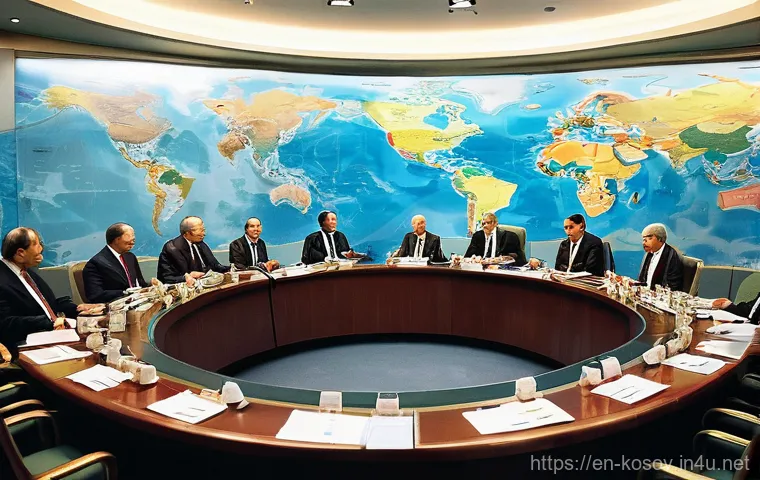
You hear about these high-level meetings, and you imagine intense discussions, but when you see the results – or lack thereof – it makes you wonder about the efficacy of words alone against a backdrop of escalating violence.
It’s a sobering reminder that sometimes, even with the best intentions, diplomatic pathways can become dead ends, leaving a vacuum that other, more forceful, actions eventually fill.
I remember thinking, “Is there truly no other way?” as the news grew grimmer by the day.
The Moment of Decision: Drawing a Line in the Sand
Operation Allied Force: A Precedent Set
When NATO finally decided to act, launching Operation Allied Force, it wasn’t just a military maneuver; it felt like a seismic shift in international relations.
I recall the intense debates raging in the news and among my friends – was this a necessary humanitarian intervention, or an unlawful breach of sovereignty?
For me, the decision to intervene without a specific UN Security Council resolution was the most contentious point. It truly challenged the existing world order and forced everyone to grapple with the ethical tightrope of intervention.
On one hand, the images of suffering from Kosovo were heartbreaking, and the “never again” sentiment after Bosnia was very strong. On the other, the idea of a military alliance stepping in without universal international consensus felt, to some, like a dangerous precedent.
It’s a debate that still gives me pause, even today. Seeing the coalition of nations come together, albeit with internal disagreements, demonstrated a collective will to prevent further atrocities, even if it meant navigating uncharted legal and political waters.
It was a bold, unprecedented move that forever changed how we think about the responsibility of powerful nations in the face of internal conflicts.
The Ethics of Intervention: Sovereignty versus Humanity
This whole situation truly put the concept of state sovereignty under the microscope, didn’t it? I mean, for centuries, the idea that a nation state had exclusive control over its internal affairs was almost sacrosanct.
But then Kosovo happened, and suddenly, the international community was forced to confront a difficult question: At what point do a nation’s internal actions become an international concern, warranting external intervention?
My personal take is that it’s an incredibly complex ethical dilemma with no easy answers. The “responsibility to protect” doctrine (R2P) that emerged years later was clearly influenced by these events, attempting to formalize what NATO did ad hoc.
But back then, it was raw, it was messy, and it sparked impassioned arguments on both sides. I remember pondering whether the fear of setting a dangerous precedent could ever outweigh the moral imperative to prevent mass atrocities.
It’s a conversation that continues today, whenever conflicts erupt, and it’s a constant reminder that the lines between national borders and universal human rights are far more permeable than we often acknowledge.
The choices made then have truly reverberated through every subsequent discussion on humanitarian crises.
On the Ground: The Human Cost of Conflict
A Glimpse into the Lives Affected
While the politicians debated and the military strategized, it’s crucial to remember the real impact on the people of Kosovo. My heart aches when I think about the stories I’ve heard and read from those who lived through it – the forced displacement, the separation from loved ones, the sheer terror of bombings, and the uncertainty of not knowing if you’d survive another day.
It puts everything into perspective, doesn’t it? We talk about geopolitics and strategic interests, but at its core, conflict is always about individual human suffering.
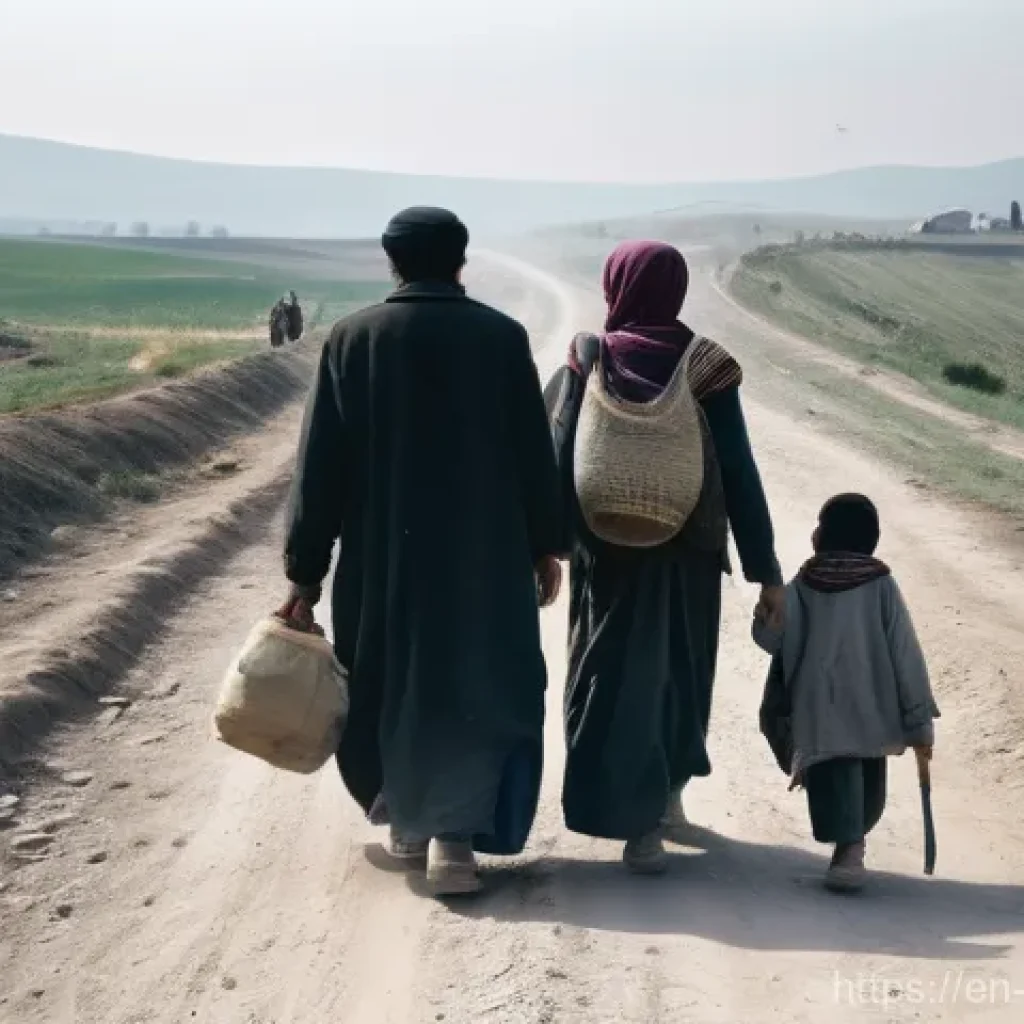
I’ve often tried to imagine what it must have been like to leave everything behind, to walk for days with just the clothes on your back, seeking refuge.
It makes the abstract concept of war terrifyingly real. The resilience of the Kosovar people, in the face of such devastation, has always amazed me. Their ability to rebuild, to forgive but not forget, speaks volumes about the human spirit.
It serves as a powerful reminder that behind every headline and every policy debate, there are countless personal tragedies and incredible acts of courage.
Rebuilding Lives Amidst the Rubble
The aftermath of the conflict wasn’t just about declaring victory or defeat; it was about the colossal task of rebuilding a shattered society. I’ve seen firsthand, through documentaries and reports, the immense challenges faced by Kosovo in the years following the intervention.
From repairing infrastructure to establishing democratic institutions and fostering reconciliation between communities, the path has been anything but smooth.
It wasn’t a switch that was simply flipped; it was a long, arduous process demanding sustained international support and, more importantly, the unwavering determination of the Kosovar people themselves.
The economic impact was devastating, and the psychological scars of war lingered for generations. When I reflect on this, I always think about how vital post-conflict reconstruction is – it’s not glamorous, it’s not headline-grabbing, but it’s absolutely essential for any semblance of lasting peace.
It highlights that military intervention, while sometimes necessary, is only the beginning of a much longer, more complex journey towards stability and prosperity.
Shifting Global Power: A New Era for Alliances
NATO’s Evolving Role Beyond the Cold War
The Kosovo intervention truly marked a pivotal moment for NATO, signaling a dramatic shift in its strategic focus. For decades, it was primarily seen as a defensive alliance against the Soviet threat, rooted firmly in Article 5’s collective defense principle.
But with the Cold War over, and the emergence of internal conflicts like those in the Balkans, NATO found itself at a crossroads. Its involvement in Kosovo showed a willingness, and perhaps a necessity, to operate “out of area” and engage in humanitarian interventions.
I remember thinking, “Wow, this isn’t your grandfather’s NATO anymore.” It wasn’t just about protecting member states from external attack; it was about projecting stability and addressing security challenges beyond its traditional borders.
This evolution sparked intense internal debates within the alliance about its purpose and operational scope, shaping its doctrine for the 21st century.
It’s a fascinating case study in how large international organizations adapt, or sometimes struggle to adapt, to radically changed geopolitical landscapes.
The alliance proved it could be nimble and responsive, but not without considerable growing pains and disagreements among its members.
The Russian Response and Unilateralism Concerns
One of the most significant ripple effects of the Kosovo intervention was the strong reaction from Russia. I recall how vehemently Moscow condemned the bombing campaign, viewing it as a blatant violation of international law and a dangerous precedent for unilateral action by Western powers.
This, in my opinion, was a major turning point in post-Cold War Russia-West relations. It fueled a sense of grievance in Moscow, solidifying their narrative of a unipolar world dominated by the U.S.
and its allies, and a disregard for Russia’s security interests. Looking back, I can see how this period contributed to the growing geopolitical tensions we witness today.
It raised legitimate questions about the role of the UN and the dangers of powerful nations acting without broad international consensus. This wasn’t just a regional conflict; it was a demonstration of power that fundamentally altered the dynamics between major global players, setting the stage for future confrontations and mistrust.
It’s a stark reminder that every action on the global stage has a reaction, often with long-term, unforeseen consequences.
Echoes in the Present: Kosovo’s Lasting Legacy
Shaping the “Responsibility to Protect” Doctrine
It’s undeniable that the Kosovo intervention played a foundational role in the development of the “Responsibility to Protect” (R2P) doctrine. I’ve spent a lot of time poring over how these concepts evolved, and Kosovo is always cited as a critical, albeit controversial, precursor.
The idea that sovereignty isn’t absolute, and that states have a responsibility to protect their own populations from mass atrocities – and if they fail, the international community has a responsibility to intervene – really gained traction after the events in the Balkans.
While R2P later received UN endorsement, the path was certainly paved by the ad-hoc intervention in Kosovo. It’s a concept that continues to be debated and applied, or not applied, in various crises around the world, from Libya to Syria.
For me, it shows how a specific historical event can catalyze the development of new international norms, even if their implementation remains challenging and inconsistent.
It reflects a growing, though imperfect, global consciousness about human rights overriding strict national borders in extreme circumstances.
A Blueprint for Future Interventions?
One of the big questions that always comes up is whether Kosovo provided a “blueprint” for future interventions. And honestly, my take is that it’s a mixed bag.
On one hand, it showed that a coalition of willing nations could act decisively, even without a clear UN mandate, to prevent humanitarian catastrophe.
It demonstrated the efficacy of air power in certain contexts. On the other hand, the political fallout, the ethical debates, and the long-term complexities of nation-building in post-conflict zones proved immensely challenging.
Subsequent interventions, like in Iraq or Libya, have been scrutinized through the lens of Kosovo, often leading to more caution and a higher bar for military action.
I’ve observed that while the *idea* of humanitarian intervention gained traction, the practical execution and political appetite for similar endeavors have become far more constrained.
It underscored that every conflict is unique, and applying a one-size-fits-all solution is simply unrealistic. The lessons from Kosovo are less of a blueprint and more of a cautionary tale, emphasizing the immense responsibilities and unpredictable outcomes of engaging in military action for humanitarian ends.
Navigating Future Flashpoints: Lessons Learned and Unlearned
The Cyber Dimension and Information Warfare
Looking at today’s global landscape, I can’t help but wonder how a situation like Kosovo would play out with the added layers of cyber warfare and sophisticated information campaigns.
Back in the 90s, while propaganda was certainly a factor, the digital battlefield we navigate today was barely a whisper. Now, every conflict is also fought in the realm of bits and bytes, with nations and non-state actors alike deploying cyber attacks to disrupt infrastructure, spread disinformation, and shape public opinion.
It adds an entirely new, incredibly complex dimension to intervention scenarios. I often think about how difficult it would be to get a clear picture of events on the ground when every piece of information is potentially manipulated.
The sheer speed at which narratives can be spun, or counter-narratives created, could make consensus-building and decisive action even more challenging.
It makes me feel a bit uneasy, knowing that the very nature of conflict is evolving so rapidly, and we’re constantly playing catch-up in terms of understanding its full implications.
The ability to control information is now as potent as conventional weaponry.
Balancing National Interests and Human Rights
At the heart of every international crisis, and certainly epitomized by Kosovo, is the perpetual struggle to balance national interests with universal human rights.
It’s a tightrope walk that world leaders are constantly performing. Every nation has its own strategic priorities, its own economic concerns, and its own domestic political pressures.
These factors inevitably collide with the moral imperative to prevent atrocities elsewhere. I’ve noticed that this tension is always present, shaping the debates and often delaying critical decisions.
The question isn’t just “should we intervene?” but also “what are the costs and benefits to *us*?” It’s a cynical reality, perhaps, but a very real one.
Kosovo forced a re-evaluation of this balance, pushing humanitarian concerns higher up the agenda. Yet, even today, we see instances where national interests undeniably trump human rights considerations.
For me, it’s a continuous, evolving conversation that we, as global citizens, need to keep pushing forward, demanding greater accountability and a more consistent application of human rights principles across the board.
The struggle for a more just world is ongoing.
| Entity | Key Role/Stance in Kosovo Intervention |
|---|---|
| NATO | Led the bombing campaign (Operation Allied Force) without UN Security Council resolution, citing humanitarian imperative. Its first major “out-of-area” intervention. |
| Federal Republic of Yugoslavia (Serbia & Montenegro) | Opposed NATO intervention, viewed it as a violation of sovereignty, accused of ethnic cleansing against ethnic Albanians in Kosovo. |
| United States | A leading advocate for intervention, provided significant military assets and political leadership within NATO, emphasizing the humanitarian crisis. |
| Russia | Strongly opposed the unilateral NATO action, viewed it as a breach of international law and a challenge to its geopolitical influence, abstained from UN resolutions. |
| United Nations | Security Council failed to agree on a resolution authorizing force due to Russian and Chinese veto threats; post-conflict established UNMIK (UN Interim Administration Mission in Kosovo). |
Final Thoughts
Reflecting on the Kosovo intervention, it’s clear that this period wasn’t just another chapter in history; it was a crucible that forged new norms in international relations and challenged our understanding of sovereignty itself. What really sticks with me is the immense human cost, the heart-wrenchwrenching stories of displacement and suffering that underpinned every diplomatic maneuver and military action. It forces us to confront uncomfortable truths about global responsibility and the difficult choices leaders face when human rights clash with national borders. I truly believe that understanding these historical flashpoints is crucial for navigating the complex world we live in today, reminding us that every decision, big or small, has lasting reverberations.
For anyone who’s ever felt frustrated by international politics, Kosovo serves as a potent reminder of both the desperate need for collective action and the incredible complexities involved. It wasn’t perfect, far from it, but it certainly set the stage for crucial conversations about intervention, humanitarianism, and the evolving role of alliances like NATO. It’s a story that continues to resonate, shaping our perspectives on conflict, justice, and the perennial hope for a more peaceful world. I often find myself thinking about the courage of those on the ground and the enduring lessons we, as global citizens, must continue to learn.
Practical Insights for Today’s World
1.
The Shifting Sands of Sovereignty: It’s a Continuum, Not an Absolute
From my vantage point, having watched global events unfold for years, the Kosovo crisis really hammered home that the concept of absolute state sovereignty is increasingly outdated in our interconnected world. We’re seeing more and more situations where what happens within a country’s borders has profound humanitarian and security implications globally. This isn’t about meddling unnecessarily, but about acknowledging that severe human rights abuses can’t just be brushed aside as “internal affairs” anymore. It’s a tough balancing act, for sure, weighing national self-determination against the moral imperative to protect vulnerable populations, but it’s a conversation we desperately need to keep having, demanding that our leaders navigate this delicate tightrope with genuine ethical consideration, not just geopolitical strategy.
2.
The Enduring Power – and Limits – of Diplomacy
It’s easy to get cynical when diplomatic efforts seem to fail, as they initially did in Kosovo. But I’ve always held that diplomacy, even when it appears stalled, is the bedrock of preventing even worse outcomes. The extensive efforts before NATO’s intervention, though ultimately insufficient to avert conflict, highlight the critical role of negotiation, even against seemingly insurmountable odds. It reminds us that every channel of communication, every peace talk, however frustrating, is an investment in de-escalation. We shouldn’t ever give up on finding common ground, but we also have to recognize when words alone aren’t enough, and when stronger measures become a painful necessity to protect lives.
3.
Information Warfare Isn’t New, But It’s Evolving Rapidly
Back during Kosovo, propaganda and spin were definitely at play, shaping perceptions. Today, with the advent of sophisticated cyber tools and social media, information warfare is a beast of an entirely different nature. It’s no longer just about controlling the narrative, but about disrupting systems, spreading deepfakes, and eroding trust at an unprecedented scale. I’ve personally seen how quickly misinformation can spread and how difficult it is to discern truth from fiction in a highly charged environment. This makes every global crisis exponentially more complex, demanding greater media literacy from all of us and a renewed focus on verifying sources before we react or share. It’s a constant battle for truth, and one we can’t afford to lose.
4.
The Long Road to Post-Conflict Healing and Reconstruction
One of the biggest lessons I’ve taken from watching countries emerge from conflict is that military victory is just the first step. The real, arduous work begins afterwards: rebuilding shattered infrastructure, fostering reconciliation, addressing psychological trauma, and kickstarting an economy. It’s an often-overlooked phase, but critically important for lasting peace. Think about the years of effort it took in Kosovo to even begin piecing society back together. It’s not glamorous, and it certainly doesn’t grab headlines like a bombing campaign, but sustained international support and local ownership are absolutely vital. My experience tells me that without a comprehensive plan for recovery, even the most well-intentioned intervention risks creating new problems down the line.
5.
Your Voice Matters: Stay Informed and Engaged
As an English blog influencer, I can’t stress this enough: in a world facing constant geopolitical flashpoints, staying informed and engaged isn’t just a civic duty; it’s a powerful tool. Understanding the historical context, the ethical dilemmas, and the human impact of conflicts like Kosovo allows us to advocate for better policies, challenge narratives, and hold our leaders accountable. Don’t let the complexity of global issues deter you. By seeking out diverse perspectives, questioning assumptions, and participating in the conversation, you contribute to a more informed and compassionate global community. Your awareness, coupled with a willingness to speak up, can genuinely influence the trajectory of future events.
Key Takeaways
The Kosovo intervention remains a watershed moment, fundamentally reshaping NATO’s role beyond its Cold War mandate and catalyzing the development of the “Responsibility to Protect” doctrine. It underscored that while state sovereignty is crucial, it is not absolute when faced with mass atrocities, pushing humanitarian concerns higher on the international agenda. This period also acutely highlighted the limitations of traditional diplomacy when confronting determined regimes, ultimately necessitating more forceful action to prevent further human suffering. For me, it was a stark demonstration of the immense complexities and ethical tightropes inherent in international intervention, reminding us that every decision has profound, long-lasting consequences, not just on the geopolitical stage, but most importantly, on the lives of ordinary people caught in the crossfire.
Moreover, Kosovo served as a crucial, albeit controversial, precedent, prompting ongoing debates about the conditions under which the international community can, or should, intervene in the internal affairs of a sovereign state. It deepened the rift between Western powers and Russia, contributing to a sense of grievance that continues to influence global relations today. The lessons learned, and perhaps sometimes unlearned, from Kosovo about the human cost, the diplomatic dance, and the intricate path to post-conflict stability continue to inform our understanding of present-day crises and the evolving nature of global security. It’s a historical event that truly echoes in our present, demanding continuous reflection and proactive engagement from all of us.
Frequently Asked Questions (FAQ) 📖
Hey there, fellow global citizens! Ever find yourself scrolling through the news and wondering how we got to this point in international relations? I know I do.
It’s hard to ignore the echoes of past conflicts in today’s headlines, and one particular event that always comes to my mind, reshaping how we understand humanitarian intervention and global power dynamics, is NATO’s involvement in Kosovo.
Back in the late 90s, this wasn’t just another regional skirmish; it was a watershed moment that challenged traditional sovereignty, sparked heated debates about the ethics of intervention, and set precedents for how powerful alliances like NATO might operate in a world grappling with internal conflicts.
From my deep dives into the history books and countless discussions, I’ve noticed how this specific period continues to influence our conversations about current flashpoints – from debates on drone strikes to the responsibility to protect populations facing atrocities.
Understanding the nuances of Kosovo isn’t just about recalling historical dates; it’s about deciphering the DNA of modern geopolitical strategy. What lessons can we truly draw for future conflicts, especially with evolving cyber warfare and information campaigns adding new layers of complexity?
This pivotal event offers a crucial lens through which we can analyze the delicate balance between national interests, human rights, and the potential for a new era of global cooperation—or perhaps, even greater fragmentation.
This fascinating chapter in modern history holds keys to predicting future challenges and understanding the moral tightropes world leaders still walk.
So, if you’re ready to dig deep into a truly transformative event and see how it shapes our present and future, let’s explore this in detail and unravel its profound impact together.
A1: From what I’ve learned, and honestly, from the vivid news reports I remember seeing at the time, NATO’s intervention wasn’t a snap decision; it was the culmination of a truly heartbreaking humanitarian crisis.
We’re talking about a situation where Serbian military and police forces were engaged in a brutal campaign of ethnic cleansing against Kosovar Albanians.
Imagine witnessing reports of mass displacement, villages being destroyed, and widespread human rights abuses on such a scale. It was impossible to ignore.
Diplomatic efforts had been tried, over and over again, for months, even years. There were international warnings and sanctions, but Slobodan Milošević’s regime just wasn’t budging.
It felt like every avenue for a peaceful resolution was exhausted, and the violence was only escalating, pushing hundreds of thousands of people from their homes and threatening to destabilize the entire region.
For many, including myself, it became clear that inaction was no longer an option. NATO leaders, facing a full-blown humanitarian catastrophe and a blatant disregard for human rights, felt compelled to act.
They intervened on humanitarian grounds to stop the atrocities, reverse the ethnic cleansing, and ensure the safe return of refugees. It was a tough call, full of complex moral and strategic considerations, but the sheer scale of human suffering was the undeniable breaking point.
A2: Oh, that’s a question that still sparks intense debate among international legal scholars and policymakers, even today! When you look at it strictly through the lens of traditional international law, NATO’s intervention in Kosovo, specifically the bombing campaign, didn’t have explicit authorization from the UN Security Council.
This is a huge point of contention because, traditionally, the UN Charter prioritizes state sovereignty and generally prohibits the use of force against a sovereign state without Security Council approval, except in self-defense.
However, the situation in Kosovo was anything but “traditional.” The atrocities were so severe that many argued it was a moral imperative to intervene, transcending the usual legal boundaries.
Proponents of the intervention often cited the sheer humanitarian catastrophe and the failure of diplomatic means as justification. They argued that the international community had a “responsibility to protect” populations from mass atrocities, even if it meant bypassing a Security Council veto, which Russia had indicated it would use.
So, while it undeniably pushed the boundaries of international law, it wasn’t a clear-cut case of illegality for everyone. It forced the world to grapple with a profound dilemma: what do you do when a state is committing horrific crimes against its own people, and the traditional legal mechanisms are blocked?
My personal takeaway is that it highlighted a significant “grey area” in international law and set a precedent that continues to shape discussions around humanitarian interventions, making us question where the line between sovereignty and human rights truly lies.
A3: The ripples from NATO’s Kosovo intervention continue to spread across global politics, even a quarter-century later. From my perspective, it fundamentally reshaped how we view humanitarian interventions.
It arguably solidified the concept, or at least the debate around it, that there are times when the international community might need to step in to prevent mass atrocities, even without explicit UN Security Council approval.
This really fueled the discussions around the “Responsibility to Protect” (R2P) doctrine, which came into sharper focus in the years following Kosovo.
For NATO itself, it marked a significant evolution. It was one of the first major “out-of-area” operations, meaning it was conducted outside the traditional defense of member states, pushing the alliance to adapt its strategic concept to include crisis management.
This definitely influenced how NATO has engaged in other non-Article 5 operations since. On the flip side, it also highlighted the significant military capabilities gap between the U.S.
and its European allies and demonstrated NATO’s overwhelming dependence on U.S. resources for major operations. And let’s be real, it significantly strained relations with Russia, which viewed the intervention as a direct challenge to international law and its own influence, foreshadowing some of the geopolitical tensions we see playing out even now.
In Kosovo itself, NATO’s presence through KFOR has been instrumental in maintaining peace and stability, but the journey toward full normalization and reconciliation is ongoing.
The intervention showed that while military action can halt immediate atrocities, building lasting peace and functional democratic institutions is a complex, long-term endeavor that continues to challenge us.
It’s a constant reminder that intervention is just one step, and the path to genuine peace and stability is a marathon, not a sprint.