Hey everyone! Ever thought about what it truly takes for a nation to power itself efficiently and sustainably? It’s far more complex than just flipping a switch, especially for a country like Kosovo, which has been navigating a particularly tricky energy landscape.
From what I’ve personally observed while following global energy trends, their journey is a fascinating blend of deep-rooted traditions and ambitious new goals.
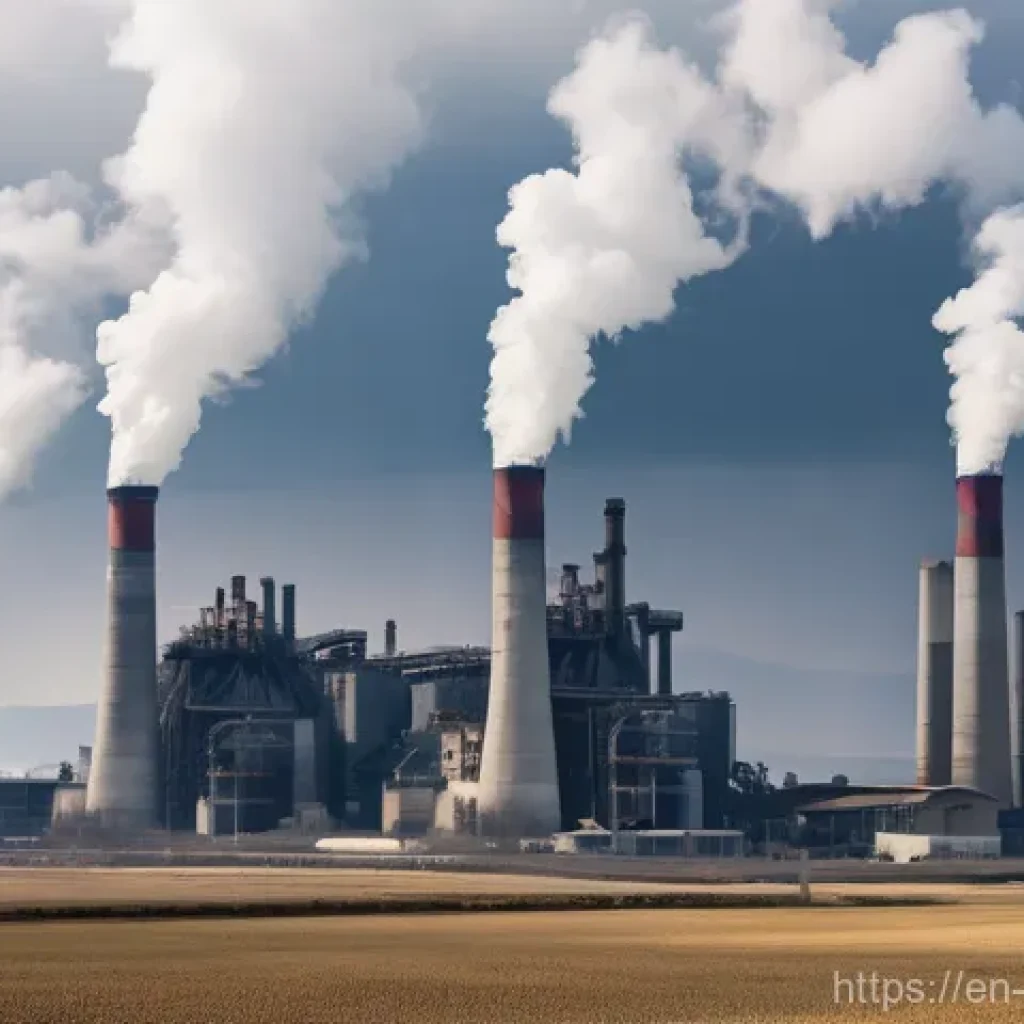
They’re literally sitting on vast lignite reserves, which have historically fueled their growth and kept the lights on, but let’s be honest, these come with a pretty heavy environmental price tag and some serious infrastructure headaches.
Now, though, Kosovo is boldly stepping towards a greener, much more sustainable future, embracing renewables and energy efficiency with open arms, all while trying to manage the practical realities of transitioning away from that reliance on coal.
It’s a real balancing act, full of unique challenges but also incredible opportunities for innovation, economic uplift, and regional collaboration. There’s so much to unpack here, from the latest policy shifts and technological advancements to how these changes are impacting everyday life for its citizens.
Let’s uncover the fascinating details of Kosovo’s evolving energy story together!
Still Burning Bright, But for How Long? Kosovo’s Lignite Heartbeat
Wow, when you really dive into Kosovo’s energy story, it’s impossible to ignore the massive role lignite has played. It’s like the country’s industrial heartbeat, thumping along for decades, keeping the lights on and homes warm.
I’ve been following their situation closely, and honestly, the sheer scale of their lignite reserves – reportedly the fifth largest in the world! – is truly mind-boggling.
For generations, this abundant, easily accessible coal has been the default answer to their energy needs, shaping everything from their economy to their infrastructure.
It’s a classic example of a nation making the most of what it has. You see these colossal power plants, Kosova A and Kosova B, which are still doing the heavy lifting, generating over 85-95% of their electricity, even though some units are literally over 50 years old!
It’s a testament to their resilience, but also a stark reminder of the challenges that come with such deep-seated reliance. I can’t even imagine the pressure to keep those aging giants running, especially when they’re working overtime to meet demand.
The Legacy of Old Giants and Heavy Costs
When I think about the Kosova A and B power plants, it’s a mix of respect for their longevity and concern for their impact. These aren’t just power stations; they’re monumental structures that have powered a nation through immense change.
But let’s be real, their age is showing. They’re famously among the most polluting in Europe, spewing out greenhouse gases and particulate matter that contribute to serious air quality issues.
I’ve seen reports talking about critical levels of air pollution, and it really hits home when you think about the health implications for the people living nearby – estimated to cause hundreds of premature deaths annually.
It’s a tough spot: relying on these plants for energy security, yet grappling with the heavy environmental and health price. The government is investing in refurbishments, like the significant work on Kosovo B units, aiming to extend their lifespan by two decades and reduce emissions by 60%, which is a crucial step to bridge the gap.
But it’s a temporary measure, a way to keep things stable while the bigger, greener plans take shape.
Why We Can’t Just Flip the Switch
Transitioning away from something so ingrained, so fundamentally tied to a nation’s functioning, is incredibly complex. It’s not just about turning off a coal plant; it’s about re-engineering an entire system.
The lignite plants currently provide crucial baseload power that ensures stability. The discussion about phasing out coal entirely by 2050 is on the table, which is a huge undertaking.
There’s a real fear, understandably, about what happens if the new capacity isn’t ready. From a practical standpoint, the distribution network itself needs massive upgrades to handle new, decentralized renewable energy sources.
And let’s not forget the social aspect: what about the workers in the lignite mines and power plants? A just transition means ensuring their livelihoods are protected and new opportunities are created, which is a monumental task that requires thoughtful planning and investment.
Turning Towards the Sun and Wind: A Green Future Emerges
Okay, so we’ve talked about the past, but now let’s shift gears to the really exciting part: Kosovo’s bold pivot towards a future powered by the sun and wind!
It’s genuinely inspiring to see a nation so deeply rooted in coal embracing renewables with such enthusiasm. I’ve been tracking these developments, and it feels like a tangible shift is happening.
Their 2022-2031 Energy Strategy is a game-changer, setting ambitious targets like aiming for a minimum of 35% renewable energy share in gross final electricity consumption by 2031.
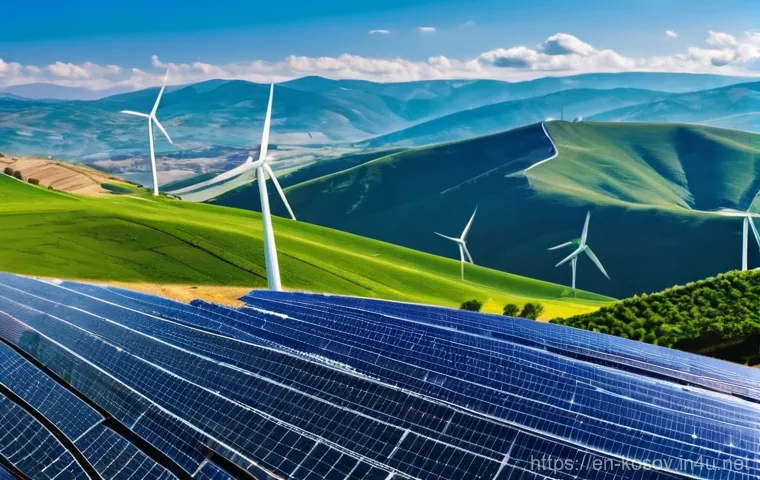
That’s a huge leap from around 6% in 2021, and it shows real commitment. The country is blessed with fantastic natural potential for both solar and wind energy.
I mean, when you hear about average solar radiation of 1400 kWh/m2 per year, you know they’ve got some serious sunshine to tap into. And the wind? Apparently, about 17% of Kosovo’s territory has stable winds, with some mountainous areas reaching speeds ideal for wind farms.
It’s like nature is literally nudging them towards a cleaner path.
Harnessing Solar Power: Bright Prospects
The progress in solar energy has been particularly encouraging to watch. I recently saw that Kosovo is experiencing a significant increase in solar projects, with a 22% rise expected just in 2023 alone!
It’s not just big, utility-scale projects either; there’s also a push for smaller, prosumer installations, meaning everyday folks can contribute to the grid.
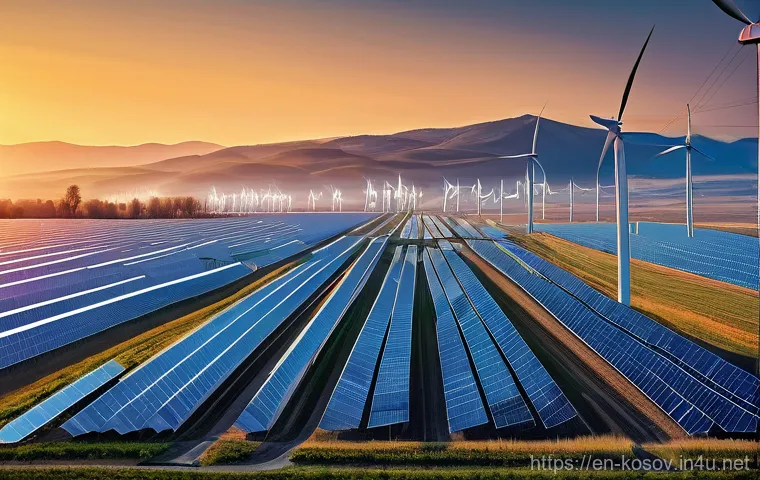
We’re talking about ambitious goals to install 600 MW of solar PV capacity by 2031, including significant rooftop solar. There’s even a landmark 100 MW solar plant being built on former ash dump fields near the old Kosovo A plant – talk about turning a challenge into an opportunity!
That kind of innovative thinking, repurposing old industrial sites for clean energy, really gets me excited. The first solar auction for 100 MW was a success, leading to a 35% decrease in purchase prices, which is fantastic news for consumers and businesses alike.
Catching the Wind: A Growing Force
Wind energy is another key player in Kosovo’s green transition. We’re seeing more and more wind farms coming online, adding substantial capacity to the national grid.
The Bajgora wind farm, for instance, which was completed in 2021, already boasts 27 turbines producing about 105 megawatts of electricity. And let’s not forget the Kitka plant, adding another 32 MW.
The goal is to reach 600 MW of wind capacity by 2031. It’s impressive to see these large-scale projects, often supported by international investments from countries like Switzerland and Germany, bringing both capital and crucial expertise to the table.
I personally think wind power is an excellent fit for their energy profile, especially since wind generation often aligns well with higher demand during the colder months, making it a reliable addition to their energy mix.
The recent launch of the first 100 MW wind auction is another clear signal of their accelerating commitment.
The Bumpy Road: Navigating the Realities of Energy Transition
Let’s be honest, transforming an entire energy system, especially one so reliant on a single, albeit abundant, resource like lignite, isn’t a walk in the park.
It’s more like an uphill climb with a few unexpected detours. From my perspective, Kosovo is facing some pretty significant hurdles on this journey. It’s not just about installing new solar panels and wind turbines; it’s about a comprehensive overhaul that touches every aspect of their energy landscape.
There’s the sheer weight of legacy infrastructure, for starters. Those old lignite plants might be polluting, but they’re there, and they’ve been the backbone for decades.
Disconnecting from them requires careful planning to maintain stability and prevent blackouts, which, I’ve heard, have been a problem in the past.
Modernizing the Backbone: Grid Challenges
One of the biggest practical headaches I’ve identified is the state of the existing energy grid. It’s simply not built to seamlessly integrate a huge influx of intermittent renewable energy.
Imagine trying to run a high-speed internet network over old dial-up lines – it just doesn’t work efficiently. Reports suggest that Kosovo’s energy grid desperately needs updating to accommodate these new, distributed energy projects.
Distribution losses are still quite high, around 20.7%, which means a lot of generated electricity never even reaches consumers, compared to the EU average.
This isn’t just a technical issue; it’s an economic drain and a barrier to full energy independence. Modernizing this “backbone” is crucial for ensuring reliability and efficiency, and it requires significant investment and engineering prowess.
Financial and Political Tightropes
Then there’s the money side of things, which is always a big one for any developing economy. While international partners are stepping up with investments, financing large-scale renewable projects and grid upgrades is still a massive undertaking for Kosovo.
There’s also the delicate political balancing act. Achieving national consensus on such a fundamental shift, especially when it involves phasing out traditional industries, can be challenging.
I’ve seen discussions about a lack of clear coal phase-out dates in some strategic documents, which, while understandable from a security-of-supply perspective, can slow down investment in renewables.
And let’s not forget the geopolitical complexities, particularly given the energy crisis in Europe that has highlighted the need for greater sustainability and energy independence.
It’s a constant tightrope walk between immediate needs and long-term sustainability.
Beyond the Grid: How Policy and People are Driving Change
It’s truly fascinating to see how deeply policy and public engagement are intertwined with Kosovo’s energy transition. This isn’t just a top-down mandate; it’s a dynamic interplay between governmental strategies, technological advancements, and the everyday choices of citizens.
From what I’ve observed, the leadership is really trying to create an environment where green energy isn’t just an aspiration but a tangible reality, and it’s starting to show.
You can feel the momentum building, almost like a collective sigh of relief that they’re finally moving away from the old, polluting ways. The adoption of the new Energy Strategy (2022-2031) and the standalone Renewable Energy Law are huge milestones, setting clear frameworks and targets for the future.
It’s not just about power plants; it’s about reshaping the entire energy ecosystem.
Shaping the Future Through Strategic Policies
The new energy policies are truly comprehensive, aiming to not only diversify energy sources but also integrate Kosovo into the broader pan-European market.
I find it particularly interesting that they’re launching support schemes like renewable energy auctions, which have already shown fantastic results, driving down prices for solar power.
This kind of competitive approach is smart because it makes clean energy more affordable and accessible. They’re even planning to introduce a carbon pricing system by 2025, which, if implemented effectively, will provide a strong economic incentive to shift away from fossil fuels.
This aligns them much more closely with EU standards and commitments, which is a major driver for the country’s overall development. It’s a clear signal that they’re serious about decarbonization, even with the challenges.
Engaging Citizens and Empowering Businesses
What I personally find most impactful are the efforts to involve people directly. Programs like “Subsidies for Energy Efficiency in Kosovo” (SEEK) have been instrumental.
I remember reading about how this initiative incentivized thousands of families to retrofit their homes with better insulation and more efficient heating systems.
It’s not just about saving money on bills; it’s about making homes more comfortable and significantly reducing overall energy consumption. This kind of grassroots engagement is crucial for a successful transition.
On the business front, there’s a major shift happening as well: large businesses are now required to procure electricity from the open market, moving away from regulated tariffs.
While this has sparked some concerns about potential price hikes, the long-term goal is to foster competition and reduce reliance on government subsidies, which I believe is a necessary step towards a more dynamic and liberalized energy market.
Unlocking Growth: The Economic and Environmental Upside
Alright, let’s talk about the silver lining, because despite all the challenges, Kosovo’s energy transition isn’t just about meeting environmental obligations; it’s a massive opportunity for economic growth and a healthier future for everyone.
When I look at the big picture, I see a nation that’s not just surviving but is actively trying to thrive by leveraging its natural potential and embracing innovation.
It’s a strategic move that, if executed well, could fundamentally transform the country’s standing and quality of life. I often reflect on how incredible it is that these shifts aren’t just theoretical; they’re already starting to manifest in real ways that impact local communities and the broader economy.
Fuelling Economic Revival and Investment
The push towards renewables is acting as a magnet for international investment, and I’ve seen firsthand how crucial that is for a developing economy. Companies from Switzerland and Germany, along with major financial institutions like the European Investment Bank (EIB) and KfW, are pouring capital and expertise into solar and wind projects.
This isn’t just about getting new power plants; it’s about creating jobs, fostering local industries, and stimulating overall economic growth. When you invest in green energy, you’re investing in a new kind of economy – one that’s sustainable and forward-looking.
There’s also the potential to significantly reduce expensive energy imports, which currently take a substantial bite out of Kosovo’s GDP. Imagine the savings – money that can be reinvested into public services like healthcare and education!
It’s a win-win scenario where environmental responsibility directly translates into economic prosperity.
A Breath of Fresh Air: Environmental and Health Benefits
For me, one of the most compelling aspects is the profound environmental and health impact. Moving away from lignite means a drastic reduction in air pollution, which is a huge deal.
I mean, we’re talking about significantly cutting down on particulate matter and greenhouse gas emissions that have plagued the country for decades. Just thinking about the potential for cleaner air, especially in urban centers like Prishtina which have often topped lists of polluted cities, fills me with hope.
This isn’t some abstract goal; it means fewer respiratory illnesses, longer lives, and an overall improved quality of life for Kosovar citizens. The economic costs associated with health issues from air pollution are staggering, so cleaning up the air will also save the country millions in healthcare expenses.
It’s a testament to the idea that a healthier planet truly means healthier people.
A Collaborative Current: Powering Progress Through Partnerships
When you look at a transformation as grand as Kosovo’s energy transition, it quickly becomes clear that no nation, especially a smaller one, can go it alone.
It’s truly a collaborative effort, a complex web of international support, regional cooperation, and domestic innovation. From my vantage point, the spirit of partnership is a major driving force behind their progress, acting as both a catalyst for change and a safety net for navigating the inherent risks.
It’s like watching a team of highly skilled individuals coming together, each bringing their unique strengths to achieve a shared, ambitious goal. Without these connections, the path would be infinitely tougher.
International Backing: Fueling the Green Vision
Kosovo’s journey is heavily bolstered by significant international investment and technical assistance. I’ve seen how organizations like the European Investment Bank (EIB), KfW Development Bank, and the Millennium Challenge Corporation (MCC) are stepping up, providing crucial funding for new solar plants, grid modernization, and energy efficiency programs.
This isn’t just charity; it’s a strategic investment in a stable, sustainable future for the Western Balkans, closely linked to the European Union’s Green Agenda.
Their commitment to align with EU legislation and standards, including the EU Emissions Trading System (ETS) and the Renewable Energy Directive (REDII), is a powerful incentive for these partnerships.
I personally believe that this external validation and financial muscle are absolutely critical for giving Kosovo the confidence and resources to make these monumental changes.
Regional Synergy and Market Integration
Beyond direct investment, there’s a growing emphasis on regional cooperation, which I find incredibly smart and forward-thinking. Kosovo is working closely with its neighbors, particularly Albania, to integrate their energy markets.
The launch of the Albania Power Exchange (ALPEX) is a prime example of this synergy, aiming to enhance cost-efficiency and improve system flexibility for meeting renewable energy targets.
This kind of market coupling is a strategic move, allowing for better energy trade and reducing reliance on individual national capacities alone. Kosovo is actively working towards full integration into the pan-European market by 2030, which will unlock even more opportunities for stability and growth.
It shows a clear understanding that energy security and sustainability are best achieved through collective action and interconnected systems.
| Aspect | Target by 2031 | Current Status/Progress (Approx.) |
|---|---|---|
| Renewable Energy Share in Electricity Consumption | At least 35% | ~6% (2021), significant increase in solar/wind projects (22% in 2023) |
| New Wind Capacity | 600 MW | ~137-170 MW installed (Bajgora, Kitka), 100 MW auction launched |
| New Solar PV Capacity | 600 MW (utility-scale) + 100 MW (prosumer) | ~10 MW installed (utility), 7.54 MW (prosumer), 100 MW auction completed |
| GHG Emissions Reduction (Power Sector) | At least 32% | Commitment in strategy, refurbishment of lignite plants to reduce emissions |
| Coal Phase-out Date | By 2050 (net-zero goal) | Unclear specific dates for existing units; refurbishment plans to extend lifespan |
| Carbon Pricing System | Preparations by 2025/2026 | Plans to introduce by 2025, gradually increase until EU ETS integration |
Wrapping Things Up
Phew, what a journey we’ve taken through Kosovo’s energy landscape! It’s clear that this nation is at a pivotal moment, navigating a complex transition from a heavy reliance on lignite to a future powered by cleaner, more sustainable sources. It’s not an easy road, full of challenges from aging infrastructure to significant financial hurdles, but what truly stands out to me is the sheer determination and the impressive strides being made. The commitment to a greener future, bolstered by international partnerships and ambitious policy, is palpable, and it’s genuinely exciting to watch. I’m optimistic that with continued effort, Kosovo will not only overcome these obstacles but emerge as a shining example of a successful energy transformation in the region.
Handy Info You Should Know
1. Stay Informed About Investment Opportunities: Kosovo’s renewable energy sector is ripe for investment. Keep an eye on announcements from the Ministry of Economy and the Energy Regulatory Office for upcoming auctions and partnership opportunities. International financial institutions are often key players, so following their initiatives can provide valuable insights into where the next big projects will land.
2. Embrace Energy Efficiency in Your Home: Programs like “Subsidies for Energy Efficiency in Kosovo” (SEEK) are excellent resources for homeowners. Retrofitting your home with better insulation, modern windows, or more efficient heating systems not only reduces your carbon footprint but also significantly cuts down on your monthly utility bills. It’s a win-win for your wallet and the environment!
3. Understand the Future of the Grid: As more renewables come online, the electricity grid needs modernization. This means fewer outages and more stable power in the long run. If you’re running a business or planning to set up operations, understanding these grid upgrades can help you prepare for a more reliable energy supply.
4. Monitor Air Quality Improvements: One of the most immediate benefits of phasing out lignite is cleaner air. If you live in or near major cities like Prishtina, tracking local air quality reports can offer tangible proof of the positive impact of this energy transition. It’s about a healthier environment for everyone.
5. Explore Cross-Border Energy Initiatives: Kosovo is actively integrating its energy market with neighbors like Albania. This regional cooperation can lead to more stable energy prices and diversified supply. For businesses, this might mean greater market access and more competitive energy procurement options in the future.
Key Takeaways for Our Energy Future
Kosovo’s energy transformation is a powerful narrative of resilience, ambition, and a clear vision for sustainability. At its heart, we see a nation grappling with the legacy of its lignite-heavy past, a resource that has powered it for decades but at a significant environmental and health cost. The colossal Kosova A and B power plants, while aging, still bear the brunt of electricity generation, underscoring the formidable challenge of moving away from such deeply embedded infrastructure. Yet, the momentum towards renewables is undeniable. Ambitious targets, like achieving at least 35% renewable energy by 2031, are not just numbers; they represent a fundamental shift in mindset and strategy. We’re witnessing a genuine pivot towards harnessing abundant solar and wind resources, with new projects constantly breaking ground and significantly boosting capacity.
Of course, this journey isn’t without its bumps. Modernizing an outdated grid, securing substantial financing, and navigating complex political and social landscapes are all critical hurdles. The need for a “just transition” that protects workers in traditional industries is paramount, ensuring that no one is left behind. However, the collaborative spirit, fueled by crucial international backing from entities like the EIB and KfW, along with a growing emphasis on regional market integration, provides a strong foundation. This collective effort is not just about keeping the lights on; it’s about unlocking profound economic benefits, attracting vital investments, and most importantly, securing a healthier, cleaner future for all Kosovar citizens. The reduction in air pollution alone promises a dramatic improvement in public health and quality of life, demonstrating that investing in green energy is an investment in human well-being.
Frequently Asked Questions (FAQ) 📖
Q: Why has Kosovo historically leaned so heavily on lignite for its energy needs, and what are the major downsides of this deep-rooted reliance?
A: It’s a really interesting situation when you dig into it! From what I’ve gathered, Kosovo is practically sitting on a treasure trove of lignite – actually, they boast the fifth-largest proven reserves of this type of coal globally, and the third largest in Europe.
This abundance has historically made lignite the most accessible and seemingly straightforward option for energy production, keeping the lights on since the Yugoslav era.
Honestly, when you have such vast domestic resources, it’s a natural inclination to use what you have to achieve energy independence and fuel economic growth.
However, as I’ve seen time and again in other regions, this heavy reliance comes with a hefty price tag, especially over the long term. For Kosovo, the most glaring issue is the severe environmental impact.
The existing thermal power plants, like Kosova A and B, are pretty old – some units are over 50 years old – and operate with outdated environmental standards, leading to significant air pollution and high CO2 emissions.
This isn’t just an abstract problem; it directly impacts the health of citizens, particularly those living near these plants, and contributes to some of the worst air quality in Europe.
Beyond the environmental damage, there are huge infrastructure headaches. These aging plants are often inefficient and prone to frequent outages, which means Kosovo often has to import expensive energy to meet demand, putting a real strain on the national budget and hindering economic development.
It’s a classic case of short-term necessity creating long-term challenges, and it’s clear they’ve reached a turning point where these drawbacks are simply too big to ignore.
Q: What proactive steps is Kosovo taking to shift towards a greener, more sustainable energy future, and what key hurdles are they encountering along the way?
A: It’s truly inspiring to see Kosovo making moves towards a greener future, even with the historical weight of lignite. Their government has been quite strategic, especially with the approval of the Energy Strategy 2022-2031, which marks a real turning point by shelving previous plans for new lignite power plants and instead focusing on renewables.
This strategy aims for a minimum of 35% renewable energy share in gross final electricity consumption by 2031, which is a pretty ambitious goal coming from a country where thermal power still makes up around 90% of production.
From what I’ve observed, they’re really pushing for solar and wind power. There’s a target to construct at least 600 MW of additional wind farms and 600 MW of utility-scale solar PV by 2031, plus 100 MW of rooftop solar.
We’re already seeing concrete steps like the approval of over 100 MW of new photovoltaic projects in late 2024, and significant growth in solar and wind projects, with a 22% rise expected in 2023.
The government is using policy instruments like renewable energy support auctions and even plans to introduce carbon pricing starting from 2025 to incentivize this shift.
However, it’s definitely not a walk in the park. One major hurdle is their existing energy infrastructure; the grid isn’t fully equipped to handle a massive influx of renewable energy, so modernizing it is a critical, ongoing challenge.
Also, while the commitment to renewables is there, the older lignite plants like Kosova A and B are still vital for baseline power, and there are still significant investments being made to refurbish them, extending their lives.
It creates a bit of a mixed message and a tough balancing act, as they try to secure a stable supply while transitioning. On top of that, attracting consistent foreign investment can be tricky due to factors like Kosovo’s international status, and ensuring that energy efficiency practices are adopted across all sectors, especially by small and medium-sized enterprises, requires a lot of work and the right incentives.
Q: How might Kosovo’s ongoing energy transition impact its economy, environment, and regional standing in the coming years?
A: Oh, this transition is going to have profound effects across the board, and I’m genuinely excited to see how it unfolds! Economically, moving towards renewables could be a massive game-changer for Kosovo.
By reducing their reliance on costly energy imports, which in 2022 represented a staggering 12.5% of their GDP, they can free up substantial funds for other vital sectors like healthcare and education.
I’ve seen this happen in other emerging economies: investing in green energy creates new jobs, stimulates economic growth, and attracts international investors who are increasingly looking for sustainable opportunities.
Just look at the EU’s €75 million Energy Support Package, which is already helping families and businesses save energy and embrace renewables, creating tangible benefits right now.
Environmentally, the benefits are crystal clear and desperately needed. Shifting away from lignite means significantly reducing greenhouse gas emissions and drastically improving air quality, which is currently among the worst in Europe.
Imagine the positive impact on public health and the quality of life for Kosovars! Their energy strategy aims for a 32% reduction in power sector GHG emissions by 2031, and achieving this would be a monumental step towards a cleaner, healthier environment.
Regionally, Kosovo is really positioning itself as a leader in the green energy transition within the Western Balkans. By diversifying their energy mix and integrating more renewables, they enhance their energy security and become a more reliable partner.
There’s even talk of combining their solar and wind potential with Albania’s hydropower to create a more flexible regional electricity system, which could foster greater collaboration and stability.
While there are always challenges in such a complex transition, if Kosovo continues on this path with courage and determination, investing in modern technology and environmental filters, I truly believe they can build a more affordable, inclusive, reliable, and sustainable future for their people, enhancing their standing not just in the region but on the global stage.