Crossing the Kosovo-Montenegro Border: 7 Essential Tips for a Seamless Journey

webmaster

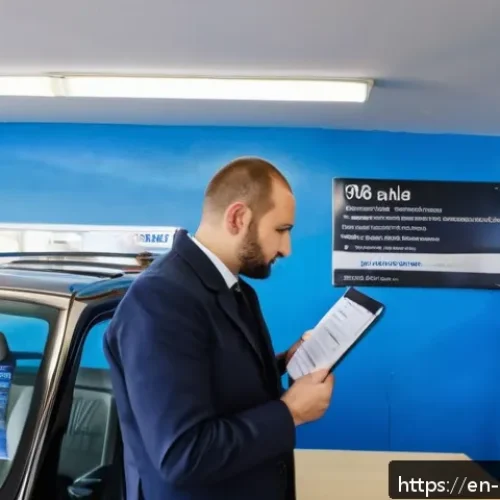
코소보와 몬테네그로 국경 통과 - **Prompt 1: Border Crossing Document Check**
    A bright, daylight scene at a bustling European bor...

Hey there, amazing travelers! Is there anything more exhilarating than packing your bags, grabbing your passport, and setting off for an unforgettable journey?

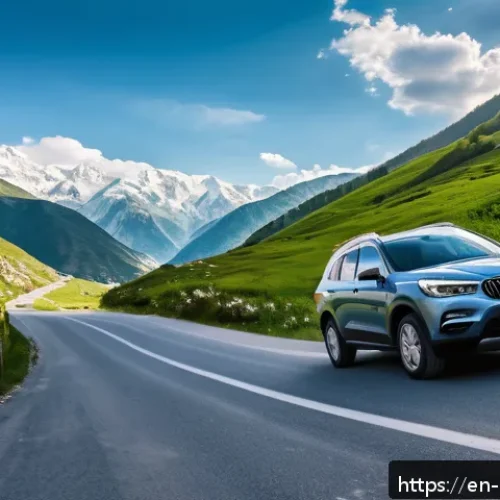
코소보와 몬테네그로 국경 통과 관련 이미지 1

I swear, that pre-trip buzz is almost as good as the trip itself! Lately, I’ve been completely obsessed with exploring hidden gems and places that truly challenge my perception of travel.

We’re living in a golden age of exploration where authentic experiences are just a flight away, and honestly, the sheer joy of discovering new cultures and landscapes never gets old.

It’s all about those spontaneous detours and uncovering stories that aren’t plastered all over Instagram, right? I’ve found that the best adventures often lie off the beaten path, leading to memories you’ll cherish forever.

So, if you’re like me and constantly dreaming of your next big adventure, you’re in the right place. Speaking of off-the-beaten-path, my recent road trip through the stunning Balkans took me to some truly incredible corners of Europe.

And, let me tell you, one of the trickiest, yet most rewarding parts was navigating the border crossing between Kosovo and Montenegro. I remember feeling a mix of excitement and a tiny bit of apprehension – is it going to be smooth sailing?

Will I need specific documents? From what I experienced firsthand, it can be an absolute breeze if you’re prepared, but there are definitely a few insider tips that can save you a lot of hassle and stress.

If you’re planning a similar epic Balkan adventure, trust me, you’ll want to get all the details squared away beforehand. So, are you ready to unlock the secrets to a seamless journey between these two magnificent countries?

Let’s dive right in and get you perfectly prepped for your trip!

Unraveling the Document Dilemma: Your Essential Pre-Departure Checklist

Okay, so let’s get down to the nitty-gritty of what you absolutely need in your hot little hands before even thinking about rolling up to that border post. I remember my own frantic search through forums and official sites, trying to piece together the exact requirements, and let me tell you, getting it wrong is a headache you do NOT want. From my firsthand experience, the key here is preparation – not just packing your toothbrush, but making sure your paperwork is tighter than a drum. Seriously, think of your documents as your golden ticket. Without them, you’re not going anywhere, and you’ll likely be stuck figuring things out on the spot, which is never fun when you’re on a tight schedule or just eager to get to your next destination. This is where a little bit of homework goes a long, long way in saving you stress and precious travel time. I’ve seen travelers turned back for surprisingly minor omissions, so let’s make sure that’s not you!

Passports, Visas, and the Green Card Mystery

First and foremost, your passport needs to be valid for at least three to six months beyond your intended stay, depending on the country. Always double-check this for both Kosovo and Montenegro, as rules can change. For most Western citizens (US, Canada, UK, EU), short stays in both countries are typically visa-free, but again, always, always verify your specific nationality’s requirements. Montenegro is generally quite straightforward. Kosovo, however, has a unique status, and while many can enter without a visa, it’s always prudent to check the latest government travel advisories for your country. The “Green Card” insurance document for your vehicle is another crucial piece. This isn’t just a suggestion; it’s often a requirement. If your current car insurance doesn’t cover Kosovo and Montenegro, you’ll need to purchase temporary border insurance. I personally had to do this, and while it adds a few extra Euros to the trip, it’s non-negotiable for smooth passage and peace of mind. Without it, you’ll be buying it at the border anyway, possibly at a higher rate or with more hassle. Don’t leave this to chance!

Vehicle Vitals: Registration, Insurance, and Power of Attorney

If you’re driving your own car, or especially a rental, you absolutely need all the original vehicle registration documents. Photocopies might not cut it, so make sure you have the real deal. If it’s a rental, you’ll need a letter of authorization from the rental company explicitly stating that you’re permitted to take the car across international borders, specifically into Kosovo and Montenegro. This document is often called a “Green Card” or “International Motor Insurance Certificate” and is sometimes separate from the rental agreement. I can’t stress this enough: without this, you might be turned away. My friend once got stuck at a less-traveled border because his rental company hadn’t provided the correct documentation for a specific country; it cost him half a day to sort out. It’s a critical detail that’s easy to overlook but vital for a hassle-free journey. Make a checklist and tick these off one by one!

The Actual Border Dance: What to Expect When You Arrive

So, you’ve done your homework, gathered all your documents, and now you’re finally approaching the border. That little thrill of anticipation, mixed with a tiny bit of “what if,” is something I totally get! My first time crossing into Kosovo from Montenegro felt a bit like entering a secret club – exciting but also slightly mysterious. What you’ll encounter at the actual border post can vary wildly depending on the time of day, the specific crossing point, and frankly, the mood of the border guards. Some crossings are bustling with activity, cars lined up for what seems like miles, while others are eerily quiet, with just a few vehicles passing through. It’s always an adventure, and if you go in with an open mind and a dash of patience, you’ll be absolutely fine. Just remember, a smile and a polite greeting can go a long way, no matter where you are in the world!

The Friendly Faces (and the Not-So-Friendly Ones)

From my experience, the border guards are generally professional and efficient. However, just like anywhere else, you might encounter someone who’s having an off day, or who is simply very strict about procedures. The most important thing is to remain calm, respectful, and have all your documents ready to present. Don’t argue, don’t joke too much, just present what’s asked. I’ve had guards who were incredibly friendly, offering tips for my onward journey, and others who were stone-faced and all business. It’s a roll of the dice, but your attitude can definitely influence the interaction. Remember, they’re there to do a job, and providing them with exactly what they need, without fuss, makes their job and your passage much smoother. Sometimes, they’ll just glance at your passport and wave you through; other times, they’ll scrutinize every stamp. Be ready for both scenarios!

Patience is a Virtue: Navigating Queues and Customs

Border crossings, especially in peak season or during holidays, can involve some serious waiting times. I’ve spent anywhere from 15 minutes to over two hours in line at various Balkan borders, and the Kosovo-Montenegro one can definitely have its moments. Don’t let it get to you. Have some water, snacks, and perhaps a good podcast or playlist ready. This is where that patience I mentioned earlier really comes in handy. When you finally get to the booth, you’ll typically present your passport and vehicle documents. They might ask a few questions – “Where are you going?”, “What is the purpose of your visit?”, “How long will you stay?” – straightforward stuff. If you bought border insurance, they’ll want to see that too. Customs checks are generally minimal for tourists, usually just a quick glance into the car, but always be prepared for a more thorough inspection. Keep your cool, and everything will flow much better.

Advertisement

Currency & Connectivity: Staying Savvy on Both Sides

One aspect of international travel that often catches people off guard is managing currency and staying connected. It might seem like a small detail, but believe me, arriving in a new country without local currency or a functioning phone can feel surprisingly disorienting! When you’re bouncing between countries with different currencies, it’s wise to have a plan. And in today’s world, our phones are practically extensions of ourselves, acting as navigators, translators, and emergency contacts. So, let’s talk about how to keep your wallet happy and your data flowing as you cross from Kosovo to Montenegro.

Dinar, Euro, or Something Else?

Here’s a fun fact about Kosovo: despite not being part of the EU, they use the Euro (€) as their official currency. This is fantastic news for anyone traveling from other Eurozone countries or those accustomed to converting to Euros, as it simplifies things immensely. Montenegro also uses the Euro (€). So, when crossing this particular border, you won’t need to worry about changing currencies! This removes a whole layer of stress and complexity often associated with multi-country trips. However, it’s always a good idea to have some smaller denominations of Euros on hand for things like road tolls (if applicable), small purchases, or tipping. While card payments are widely accepted in cities and larger establishments, cash is king in smaller towns, local markets, and for those unexpected, charming roadside vendors. Always keep a mix of both!

Roaming Rhapsody: Keeping Connected

Ah, the modern traveler’s dilemma: how to avoid those dreaded roaming charges! When I first started traveling through the Balkans, I made the mistake of just letting my phone roam, and the bill was truly eye-watering. Learn from my mistakes! Since both Kosovo and Montenegro are outside the EU, standard EU roaming rules won’t apply. This means your current mobile plan likely won’t cover you for free data and calls. Your best bet is to either check if your home provider offers an affordable international roaming package (some do, but they can still be pricey) or, my personal preference, grab a local SIM card. In Montenegro, local SIM cards are readily available at kiosks, gas stations, and mobile provider stores, offering great value for data and calls. For Kosovo, the situation is similar. While it adds a quick stop to your itinerary, the savings and convenience of having reliable local data for maps and communication are absolutely worth it. It felt so liberating to have unlimited Google Maps access without fear of a bill shock!

Item Kosovo Requirements Montenegro Requirements My Insider Tip
Passport Validity 3-6 months beyond stay 3-6 months beyond stay Always aim for 6+ months for peace of mind.
Visa (US/EU citizens) Usually not required for short stays Usually not required for short stays Check your specific nationality with embassy/consulate.
Vehicle Registration Original documents required Original documents required Keep these secure but easily accessible.
International Insurance (“Green Card”) Required (purchase at border if needed) Required (purchase at border if needed) Get this sorted beforehand if possible.
Rental Car Authorization Letter from rental company for border crossing Letter from rental company for border crossing Crucial! Explicitly state Kosovo and Montenegro.
Currency Euro (€) Euro (€) Have small Euro bills for tolls/small purchases.

Language Barriers & Local Etiquette: A Little Goes a Long Way

Stepping into a new country means immersing yourself in a new culture, and part of that beautiful experience is encountering different languages and social norms. While many people in tourist areas or at border crossings will speak English, especially younger generations, making an effort to speak a few local phrases can genuinely transform your interactions. I’ve found that even a simple “hello” or “thank you” in the local tongue can open doors and warm up even the most stoic border guard or local shopkeeper. It shows respect and a genuine interest in their culture, which is something people everywhere appreciate. Plus, it’s just fun to try and communicate in new ways!

Basic Phrases for a Smoother Passage

Learning a few key phrases in Albanian (for Kosovo) and Montenegrin/Serbian (for Montenegro) can significantly ease your journey. Simple greetings like “Përshëndetje” (hello in Albanian) or “Zdravo” (hello in Montenegrin/Serbian), and “Faleminderit” (thank you in Albanian) or “Hvala” (thank you in Montenegrin/Serbian) are excellent starting points. “Po” (yes) and “Jo” (no) are universally helpful. If you’re stuck, a polite “A flisni anglisht?” (Do you speak English? in Albanian) or “Govorite li engleski?” (Do you speak English? in Montenegrin/Serbian) can save you a lot of gesturing! I used a small phrasebook and a translation app constantly, and it really helped bridge those little gaps in communication, making me feel more connected to the places I was visiting. It’s not about being fluent, it’s about making the effort, and that effort is always appreciated.

Cultural Nuances to Keep in Mind

Beyond language, understanding a few local customs can prevent awkward moments. In both Kosovo and Montenegro, people are generally warm and hospitable. A firm handshake is a common greeting. When visiting religious sites, dress modestly – covering shoulders and knees is usually a good idea. Punctuality is appreciated, but a slight delay in service or appointments is often met with patience, a common theme in the Balkans. It’s also worth noting the complex history and political sensitivities in the region, particularly concerning Kosovo. While direct political discussions are usually best avoided with strangers, being generally respectful and open-minded goes a long way. I always try to observe how locals interact and follow their lead; it’s the best way to integrate subtly and avoid any unintentional faux pas. Embrace the differences, and you’ll find the experience much richer!

Advertisement

코소보와 몬테네그로 국경 통과 관련 이미지 2

Post-Crossing Paradise: Embracing Your Next Adventure

You made it! You’ve successfully navigated the border, shown off your impressive stack of documents, and now you’re officially in the next stage of your Balkan adventure. That feeling of relief and exhilaration as you drive away from the border post is one of my absolute favorite parts of road tripping. It’s a moment of pure triumph and the beginning of a whole new chapter in your journey. But the adventure doesn’t stop the moment you cross the line; there are still a few things to keep in mind to make your immediate transition into Montenegro (or back into Kosovo, depending on your direction) as smooth and enjoyable as possible. Let’s talk about settling in and hitting the ground running in your new surroundings.

Immediate Road Tips for Montenegro

Once you’re in Montenegro, you’ll immediately notice the stunning landscapes – dramatic mountains plunging into the Adriatic, medieval towns clinging to hillsides, and crystal-clear waters. Roads in Montenegro can be winding and narrow, especially along the coast and in mountainous regions, so adjust your driving style accordingly. While main roads are generally well-maintained, be prepared for some less-than-perfect surfaces if you venture off the beaten path. Keep an eye out for local drivers who might have a more, shall we say, *assertive* approach to driving. Speed limits are enforced, so pay attention to the signs. And always, always keep your headlights on, even during the day; it’s a legal requirement in Montenegro. I learned this the hard way with a friendly warning from a police officer early in my trip. It’s all part of the local flavor, but being aware helps you stay safe and avoid unnecessary fines.

Settling In: Your First Hours Across the Border

After the border crossing, I usually like to find a quiet spot to pull over, maybe grab a coffee, and just recalibrate. This is a good time to double-check your navigation for your first destination in Montenegro, make sure your local SIM card is working (if you got one), and just generally soak in the new atmosphere. If you’re driving further inland, you might want to stop at a local market for some fresh fruit or traditional pastries – it’s a wonderful way to immediately feel immersed. Consider if you need to refuel, as gas stations aren’t always plentiful in more rural areas. My biggest piece of advice here is to not rush. Take a moment to breathe, appreciate the scenery, and let the excitement of being in a new country wash over you. The smooth border crossing was just the beginning; now the real exploration starts, and you’re perfectly poised to enjoy every moment!

My Golden Rules for Balkan Border Crossings: Beyond Kosovo & Montenegro

While we’ve focused specifically on the Kosovo-Montenegro border, many of the lessons I’ve learned apply to almost any border crossing in the Balkans, and frankly, anywhere in the world. After numerous road trips through this incredible region, I’ve developed a few “golden rules” that have saved me countless headaches and helped me truly enjoy the journey, rather than dreading the administrative hurdles. These aren’t just practical tips; they’re also about cultivating a certain mindset that embraces the unpredictable nature of travel and allows you to roll with the punches. Trust me, adopting these will make your adventures infinitely smoother and more enjoyable, leaving you free to focus on the stunning scenery and rich cultures around you!

Always Double-Check Official Sources

This might sound obvious, but you’d be surprised how many travelers rely solely on outdated blog posts (not mine, of course!) or anecdotal evidence. Official government websites for both your home country’s travel advisories and the destination countries’ foreign affairs ministries are your best friends. Visa requirements, specific document needs for vehicles, and even border opening times can change with little notice. What was true last year might not be true today. I make it a habit to check these sources a few weeks before my trip, and then again a few days before I cross. It takes a little extra time, but it’s a small investment for massive peace of mind. There’s nothing worse than getting to a border only to find out you’re missing a crucial, recently updated document.

Embrace the Unexpected: It’s Part of the Charm

Even with all the preparation in the world, things can and sometimes do go sideways. A longer-than-expected wait, a grumpy border guard, a sudden change in rules – these are all possibilities when traveling internationally. My biggest advice is to embrace it. Don’t let minor setbacks ruin your day or your trip. See them as part of the adventure, a story you’ll tell later. A positive attitude and a flexible mindset are truly your most valuable travel companions. I remember one crossing where a guard spent ages meticulously examining my entire car, even the spare tire well! Instead of getting frustrated, I just smiled, answered his questions politely, and tried to learn a few words in his language. It turned a potentially stressful situation into a memorable, albeit lengthy, interaction. It’s these unexpected moments that often become the most vivid memories of your travels, proving that true adventure lies in the journey, not just the destination.

Advertisement

Wrapping Things Up

And there you have it, folks! Navigating border crossings might seem daunting at first glance, but with a little bit of preparation and the right mindset, it truly becomes just another exciting part of your adventure. I hope my experiences and tips have shed some light on what to expect when you’re making your way between Kosovo and Montenegro, or indeed, any other fascinating corners of the Balkans. Remember, every stamped passport is a story, and every border crossed is a new horizon. So, gather your documents, pack your patience, and get ready to create some unforgettable memories!

Useful Information to Know

1. Always double-check visa and passport validity requirements for *your specific nationality* on official government websites well in advance of your trip. These rules can change unexpectedly.
2. For driving across borders, especially with a rental, ensure you have an International Motor Insurance Certificate (Green Card) and a letter of authorization from the rental company explicitly permitting cross-border travel.
3. Keep a mix of cash (Euros, in this case) and cards. While major cities are card-friendly, smaller towns and roadside vendors often prefer or require cash for convenience.
4. Consider purchasing a local SIM card in each country for affordable data and calls. It makes navigation, communication, and emergency contacts much easier without racking up hefty roaming charges.
5. Embrace patience and politeness at border crossings. A calm demeanor and having all your documents organized can significantly speed up the process and make interactions smoother, even if there are delays.

Advertisement

Key Takeaways

My biggest takeaway from countless border experiences is that thorough preparation is your best friend. Verify all document requirements for both yourself and your vehicle, especially international insurance and rental car authorizations. Cultivate a flexible and positive attitude, as unexpected delays or meticulous checks are part of the journey. Finally, remember that making a small effort with local greetings and understanding basic cultural nuances can greatly enhance your interactions and overall travel experience. Happy travels!

Frequently Asked Questions (FAQ) 📖

Q: What essential documents do I need to smoothly cross the border from Kosovo to Montenegro?

A: Oh, this is such a crucial question, and honestly, getting your documents in order is half the battle won for a stress-free border crossing! First and foremost, you’ll need your valid passport.
Make absolutely sure it has at least six months of validity remaining from your planned entry date into Montenegro, and at least one blank page for stamps.
From my own experience, border guards really appreciate it when you have everything ready, so keep your passport easily accessible! For most US citizens, a visa isn’t required for tourist stays of up to 90 days in both Kosovo and Montenegro, which is fantastic news for us adventurers.
However, always, always double-check the latest visa requirements based on your nationality with official embassy websites before your trip, as things can change.
If you’re driving, this is where it gets a little more specific: you’ll need your valid driver’s license, your vehicle’s registration documents, and perhaps most importantly, a Green Card International Motor Insurance Policy.
I remember hearing stories of travelers being turned back because their insurance wasn’t valid for all countries, so don’t let that be you! Some local Kosovar insurance might be required specifically for Kosovo if your primary insurance doesn’t cover it.
Having physical copies of everything, neatly organized, will make you feel like a pro and expedite the process significantly.

Q: Which border crossing point is generally recommended for travelers between Kosovo and Montenegro, and what should I expect at the checkpoint?

A: So, when I was mapping out my Balkan road trip, finding the “best” border crossing was a hot topic! For international travelers driving between Kosovo and Montenegro, the primary and most commonly recommended road crossing is at Kulla on the Kosovan side, leading to Rožaje on the Montenegrin side.
Trust me, this route isn’t just practical; it’s absolutely breathtaking, taking you through the stunning Rugova Canyon in Kosovo before ascending into the high mountains.
It’s not a major highway, but winding roads that offer some truly wild and dramatic scenery. When you arrive, expect to stop at separate checkpoints for each country.
You’ll present your passport and vehicle documents to the officers. From my firsthand experience, being polite, having all your documents open to the relevant pages, and generally being ready to answer a few simple questions (like your purpose of travel or duration of stay) makes a huge difference.
While wait times can vary, especially during peak season or holidays, I’ve found that early mornings or late afternoons tend to be a bit calmer. Keep in mind that for hikers on trails like the “Peaks of the Balkans,” there are special permits and designated trail points, so if you’re planning a wilderness traverse, you’ll need to arrange those in advance with local agencies.

Q: Beyond the documents, are there any unique cultural tips or practical advice for a smooth journey between these two countries, especially regarding currency and local etiquette?

A: Absolutely! Diving into new cultures is one of my favorite parts of traveling, and knowing a few insider tips can make your journey not just smoother, but also more enriching.
First off, let’s talk money: both Kosovo and Montenegro officially use the Euro (€), which is super convenient if you’re coming from other Eurozone countries or if you’ve recently visited them.
However, don’t be surprised if cash is still king, especially in smaller towns, local markets, or for tiny purchases. While credit cards are increasingly accepted in cities and tourist hubs, I always make sure to have some smaller euro denominations on hand.
When it comes to communication, Albanian and Serbian are official languages in Kosovo, and Montenegrin/Serbian in Montenegro. While many people in tourist areas, especially younger generations, speak English, a simple “Faleminderit” (thank you in Albanian) or “Hvala” (thank you in Montenegrin/Serbian) goes a long, long way in showing respect and appreciation.
Trust me, it always earns you a warm smile! If you’re driving, be aware that in Montenegro, it’s mandatory to drive with your low-beam headlights on at all times, even during the day, and speed limits are strictly enforced.
Local drivers can sometimes be a bit assertive, especially on winding mountain roads, so drive defensively and enjoy the stunning scenery at your own pace.
And always remember, registering your stay with local municipalities or through your accommodation is a legal requirement in Montenegro, though hotels usually handle this for you.
It’s all part of the adventure, right? Embrace the differences, stay flexible, and you’re in for an incredible experience!