Ever wondered what truly makes a place tick? For me, it’s always the music. And let me tell you, stepping into Kosovo felt like walking straight into a living, breathing symphony.

Forget everything you *think* you know about the Balkans; the soundscape here is an electrifying fusion that tells stories centuries old while pulsing with a vibrant, youthful energy you can practically feel in the air.
I’ve personally found myself completely lost in the soulful melodies of a çifteli, one moment, only to be swept up in the latest club anthem from a world-renowned Kosovar artist the next.
It’s this incredible blend of deep-rooted traditions and cutting-edge global trends that makes discovering local music in Kosovo such an unforgettable adventure.
From the epic ballads sung with ancient instruments that weave tales of national identity, to the thriving underground rock scenes pushing boundaries, and the pop stars dominating international charts – Kosovar music is so much more than just background noise; it’s the very heartbeat of its people.
This rich cultural expression is experiencing an exciting revival, blending its unique heritage with modern influences, creating a sound that’s truly one-of-a-kind.
It’s truly a testament to a nation that values its past while fiercely embracing its future. You simply have to experience it to understand. Let’s really dive into what makes Kosovo’s music scene so utterly captivating.
The Soulful Echoes of Kosovo’s Traditional Melodies
There’s something incredibly grounding about hearing music that has truly stood the test of time, and in Kosovo, those ancient sounds are very much alive. When I first heard the raw, earthy tones of a çifteli, it felt like I was listening to the very soul of the country. This isn’t just background music; it’s a vibrant, living history lesson, sung and played with an intensity that you can’t help but feel deep within your bones. I’ve personally spent hours in small, smoke-filled konaks, mesmerized by musicians whose hands moved with a practiced grace honed over generations, their voices resonating with tales of old. It’s an experience that transcends language barriers, a powerful connection to a heritage that has weathered so much. The passion these artists bring to their craft is palpable, and it underscores a profound respect for their ancestors and the stories they’ve preserved through song. Frankly, it’s unlike anything you’ll encounter elsewhere, a truly unique blend of resilience and artistic expression that makes you understand the country’s spirit on a whole new level. It’s this deep connection to tradition that makes the entire Kosovar soundscape so rich and compelling, drawing you into its narrative with every note.
The Čifteli and Lahuta: Instruments of a Nation’s Story
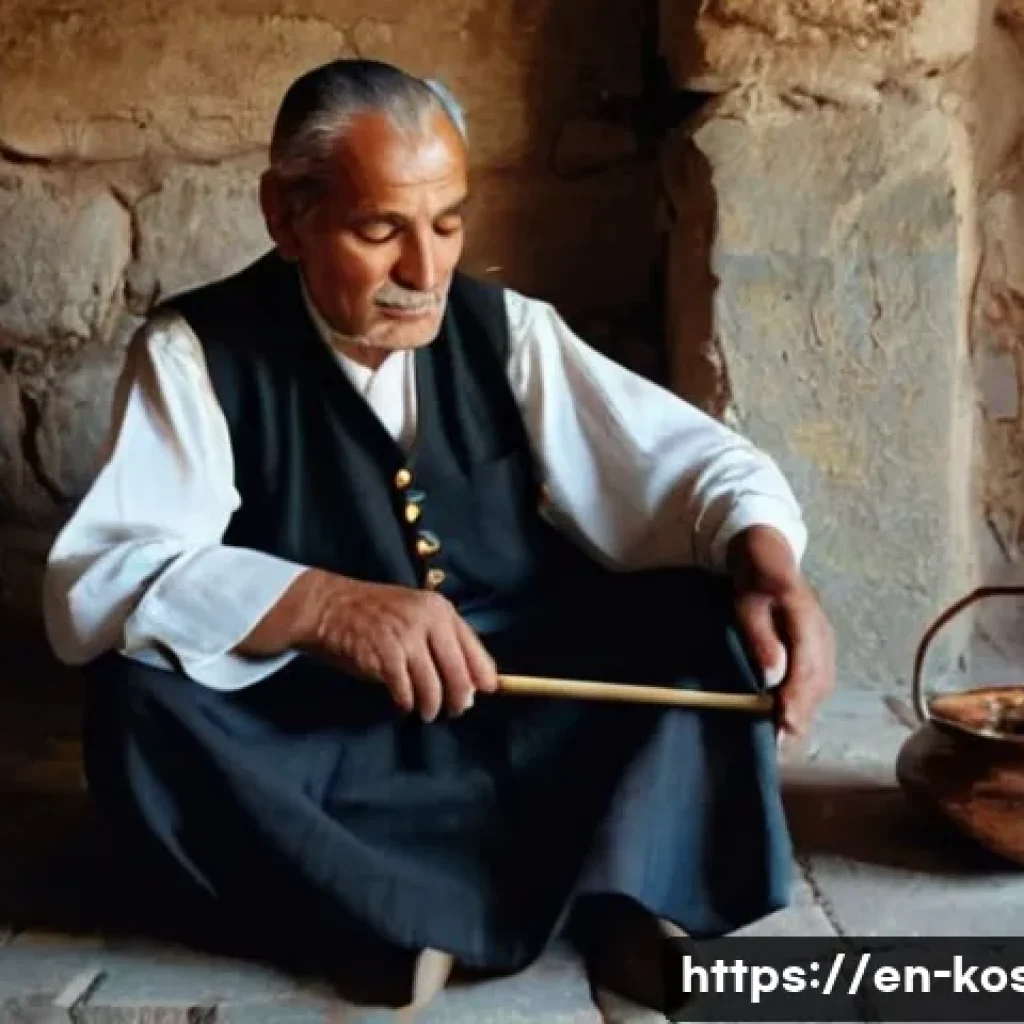
If you’re looking to truly grasp the essence of Kosovar traditional music, you simply must get acquainted with the çifteli and the lahuta. The çifteli, with its distinctive two strings and a bright, almost buzzing sound, is practically the heartbeat of Albanian folk music. I’ve seen it played with such incredible speed and dexterity, often accompanying epic songs that recount historical events and heroic deeds. It’s an instrument that practically vibrates with national pride. Then there’s the lahuta, a single-stringed bowed instrument that, for me, carries a weight of ancient wisdom. Historically, it was the companion of epic poets, or “lahutars,” who would recite lengthy ballads of bravery and struggle. Sitting there, listening to a lahutar, it felt less like a performance and more like a sacred oral tradition unfolding right before my eyes. These instruments aren’t just tools; they are custodians of a culture, carrying narratives and emotions that span centuries. They offer a direct line to the past, allowing you to hear the very echoes of Kosovo’s journey through time.
Këngë Patriotike: Ballads of Identity and Resilience
One genre that particularly struck a chord with me was “Këngë Patriotike,” or patriotic songs. These aren’t just simple tunes; they are powerful, emotionally charged ballads that embody the struggles, triumphs, and unwavering spirit of the Kosovar people. You’ll hear themes of freedom, independence, and national identity woven into the lyrics, often sung with such raw emotion that it’s impossible not to be moved. I remember being at a small family gathering where an older gentleman spontaneously began singing one of these songs, and the entire room fell silent, captivated. It was a moment of profound shared experience, a testament to how deeply these songs resonate within the community. They serve not only as a remembrance of the past but also as a source of strength and unity for the present. For an outsider, it’s an incredible window into the collective soul of Kosovo, revealing a depth of resilience and pride that’s truly inspiring. You walk away with a richer understanding of what it means to be Kosovar, feeling that emotional connection firsthand.
From Ancient Rhythms to Modern Beats: The Evolution of Kosovar Sound
What really blew me away about Kosovo’s music scene is its incredible duality. You have these deep, traditional roots, but right alongside them, there’s a pulsating, modern energy that’s impossible to ignore. It’s not just an evolution; it’s a full-blown revolution of sound that perfectly mirrors the country’s youthful demographic and forward-looking spirit. I’ve seen firsthand how seamlessly artists here blend the old with the new, creating something fresh and uniquely Kosovar. One minute you might be tapping your foot to a folk tune, and the next you’re completely immersed in a track that could easily top international charts. It’s this dynamic interplay that makes exploring the music here so exciting. The sheer creativity in adapting global trends while maintaining a distinct local flavor is truly commendable. It speaks volumes about the innovative spirit of Kosovar musicians who are not afraid to experiment and redefine their sound for a global audience, proving that tradition and modernity can not only coexist but truly thrive together in a harmonious, yet electrifying, blend. This constant reinvention keeps the music scene perpetually fresh and captivating.
The Rise of Pop and Hip-Hop: New Voices, Global Reach
If you’re into pop and hip-hop, you’re in for a treat because Kosovo has become a surprising hotbed for these genres, producing artists who are not just locally famous but globally recognized. It’s truly a testament to the talent brewing here. I’ve personally been to clubs in Pristina where the DJ would seamlessly mix international hits with the latest tracks from Kosovar artists, and the crowd’s energy for the local talent was absolutely electric. The lyrics often blend Albanian with English, making them accessible to a wider audience, and the beats are undeniably catchy. It’s a clear sign that young Kosovar musicians are tapped into the global music pulse, but they’re also injecting their own unique perspectives and experiences into the sound. This vibrant scene is constantly pushing boundaries, with artists not just imitating global trends but actively shaping them, proving that innovative sounds can emerge from anywhere. It’s an exciting time to witness this cultural explosion and hear these new voices making their mark on the world stage.
Rock and Alternative Scenes: Pushing Boundaries
Beyond the pop anthems, I was genuinely thrilled to discover a thriving, albeit sometimes underground, rock and alternative music scene in Kosovo. It’s a testament to the diverse tastes and rebellious spirit that often defines youth culture everywhere, but with a distinct Kosovar edge. I stumbled upon a small bar in Pristina one evening and found myself captivated by a local rock band pouring their hearts out on a makeshift stage. The energy was raw, authentic, and utterly compelling. These bands often tackle social commentary and express a youthful yearning for change, using their music as a powerful voice. It’s a scene that’s perhaps less polished than the pop world but makes up for it with sheer passion and artistic integrity. You might not find these acts topping mainstream charts, but their impact on local culture and their dedication to their craft is undeniable. It’s a reminder that truly great music often thrives on the fringes, providing a vital counter-narrative and a space for genuine artistic expression that resonates deeply with its audience.
Spotlight on Stars: Kosovo’s Global Music Ambassadors
It’s truly incredible to think about the outsized impact a relatively small country like Kosovo has had on the global music stage. When you mention names like Dua Lipa, Rita Ora, and Bebe Rexha, you’re talking about artists who have not only achieved massive commercial success but have also become household names worldwide. For me, seeing these women, who share Kosovar heritage, dominate charts and stages across the globe is not just a point of national pride but a powerful message of what’s possible. They’re not just singers; they are cultural ambassadors, showing the world the talent, resilience, and vibrant spirit that comes from this corner of the Balkans. Their journeys from humble beginnings to international stardom are truly inspiring, proving that talent knows no borders. It’s a narrative of triumph and breaking barriers, and it brings a special kind of joy to witness their achievements, knowing the roots from which they sprang. Their success has undoubtedly opened doors and inspired a whole new generation of Kosovar artists to dream big and reach for the stars.
Dua Lipa, Rita Ora, and Bebe Rexha: Chart-Topping Triumphs
Let’s be honest, it’s pretty mind-blowing when you realize that three of the biggest names in contemporary pop music—Dua Lipa, Rita Ora, and Bebe Rexha—all share strong ties to Kosovo. I mean, how often does that happen? These women aren’t just successful; they’re global phenomena, consistently churning out hits and headlining major festivals. Dua Lipa, for instance, with her distinctive voice and retro-futuristic sound, has captivated millions. Rita Ora, known for her dynamic performances and eclectic style, has built an impressive career across music, film, and fashion. And Bebe Rexha, a prolific songwriter and powerhouse vocalist, has collaborated with some of the biggest names in the industry. What’s even more impressive is how they often embrace and celebrate their heritage, making sure that Kosovo gets a moment in the international spotlight. Their success stories aren’t just about individual talent; they’re about the incredible potential and creative energy that Kosovo nurtures, offering a glimpse into the country’s rich cultural tapestry through a modern, global lens. They truly represent a new era of Kosovar influence.
Beyond the Pop Queens: Emerging Talents and Diverse Genres
While the “pop queens” rightly get a lot of attention, it’s important to remember that the well of Kosovar talent runs much deeper and across a much wider spectrum of genres. I’ve stumbled upon so many incredibly talented emerging artists in Kosovo who are making waves in various scenes, from jazz fusion to R&B, and even experimental electronic music. There’s a burgeoning independent scene that’s bubbling with creativity, with musicians exploring sounds that push artistic boundaries. You might find a local DJ spinning innovative tracks at a small club in Pristina, or a soulful vocalist captivating an audience at a cozy café. These artists, while perhaps not yet on the global radar of their more famous compatriots, are integral to the vibrant ecosystem of Kosovar music. They’re constantly experimenting, collaborating, and enriching the cultural landscape with their unique voices and perspectives, proving that the country’s musical genius extends far beyond just pop. It’s a testament to a truly diverse and ever-evolving artistic community that continues to surprise and impress me.
Feeling the Pulse: Immersing Yourself in Kosovo’s Live Music Scene
For me, there’s no better way to truly understand a place than to dive headfirst into its live music scene, and Kosovo does not disappoint. The energy you feel at a concert or a festival here is absolutely electric, a palpable sense of community and shared joy that makes every experience unforgettable. I’ve had some of my most cherished travel memories simply by following the sound of music down an unfamiliar street and stumbling upon a local band playing their hearts out. It’s more than just entertainment; it’s a social glue, a way for people to connect, celebrate, and express themselves collectively. Whether it’s a massive outdoor festival under the summer stars or an intimate acoustic set in a dimly lit bar, the passion for music is infectious. You quickly realize that live performance is a core part of the cultural fabric, a dynamic space where traditions are honored, and new sounds are passionately embraced. It’s in these moments that you truly feel the heartbeat of Kosovo and become a part of its vibrant narrative, if only for an evening. The raw energy and genuine connection are something you absolutely have to experience firsthand.
Festivals That Rock: Calendar of Cultural Celebrations
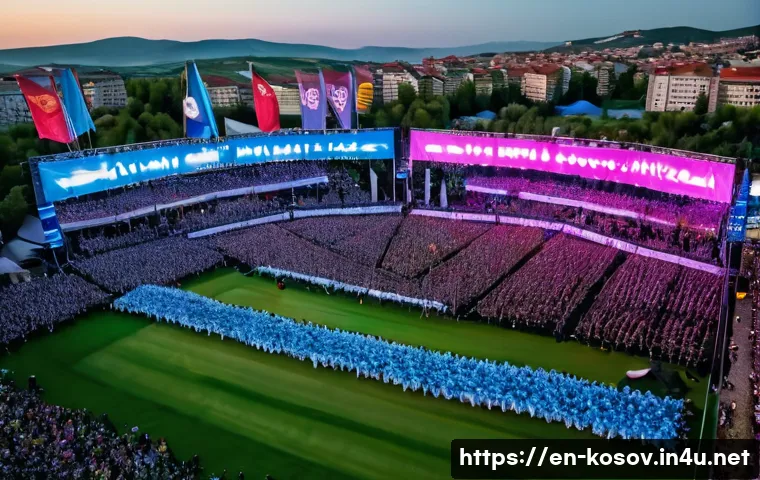
If you’re visiting Kosovo, especially during the warmer months, you absolutely *have* to check out the local music festivals. They are incredible! I was lucky enough to catch “Sunny Hill Festival” one year, co-founded by Dua Lipa, and the atmosphere was just insane – thousands of people from all over, dancing to world-class artists under the Pristina sky. But it’s not just the big names; there are also fantastic smaller festivals like “Into the Park” or “Prishtina Jazz Festival” that showcase incredible local and regional talent across various genres. These events aren’t just about the music; they’re massive cultural celebrations, vibrant gatherings where you can soak up the local vibe, try amazing food, and meet people who are just as passionate about music as you are. They embody the youthful, optimistic spirit of Kosovo, offering platforms for both established stars and emerging artists to shine. Honestly, planning your trip around one of these festivals is a brilliant idea because it gives you an unparalleled opportunity to experience the country’s dynamic cultural pulse and create truly unforgettable memories. It’s where the collective energy of the nation truly comes alive.
Cozy Cafes and Bustling Clubs: Where to Catch a Gig
Beyond the grand stages of festivals, a significant chunk of Kosovo’s live music magic happens in its more intimate venues. Pristina, in particular, has a thriving scene of cozy cafes and bustling clubs where you can catch everything from acoustic sets to energetic DJ nights. I remember spending an evening at a spot called “Termokiss,” an independent cultural space, where I saw a fantastic local band that completely blew me away with their experimental sound. Then there are places like “Zone Club” or “Depo” where you can dance until the early hours to electronic music. What I love about these smaller venues is the close-up, personal experience you get. You’re not just a spectator; you feel like you’re truly part of the performance, connecting directly with the artists and the crowd. It’s where the true pulse of the local music scene beats loudest, offering a more authentic and often more surprising encounter with Kosovar talent. Don’t be shy about asking locals for their recommendations; they always know the best spots to find genuine musical gems. Each visit feels like discovering a secret, a truly enriching experience.
Beyond the Stage: The Economic & Cultural Impact of Music in Kosovo
It’s easy to get lost in the sheer joy of the music itself, but what I’ve come to appreciate is how deeply intertwined Kosovo’s music scene is with its broader economic and cultural fabric. This isn’t just about entertainment; it’s a significant driver for tourism, a source of national pride, and a powerful medium for preserving and evolving cultural identity. The success of its global stars, the vibrant festival circuit, and the burgeoning local scene all contribute to an image of Kosovo as a dynamic, creative, and forward-thinking nation. I’ve seen how musical events bring in visitors, create jobs, and stimulate local businesses, from hotels to restaurants. It’s a tangible demonstration of how art can be a powerful economic engine, fostering growth and opportunity. Beyond the financial aspects, music also plays a crucial role in international diplomacy and soft power, presenting a modern face of Kosovo to the world. It’s a testament to the fact that cultural expression can have far-reaching impacts, shaping perceptions and building bridges. Witnessing this holistic impact makes you realize that music here is truly more than just sound; it’s a fundamental cornerstone of the nation’s progress and identity.
Music as a Driving Force: Tourism and Local Economy
When you consider the ripple effect, music in Kosovo is genuinely a driving force for both tourism and the local economy. Think about it: massive events like the Sunny Hill Festival attract tens of thousands of international visitors, all of whom need accommodation, food, and local transport. I saw firsthand the buzz and economic activity that floods Pristina during these times. But it’s not just the big festivals; even smaller concerts and club nights contribute significantly, creating a demand for local artists, sound engineers, venue staff, and hospitality workers. It’s a fantastic example of how cultural industries can stimulate growth, providing employment opportunities and injecting money directly into the local community. For a country that is still developing its tourism sector, music acts as a powerful magnet, drawing people in with the promise of unique experiences and vibrant cultural immersion. It proves that investing in the arts isn’t just about culture; it’s smart economics, creating a positive feedback loop that benefits everyone from street vendors to five-star hotels. This synergy truly impressed me with its far-reaching positive impacts.
Preserving Heritage, Inspiring Futures: Education and Art
Beyond the immediate economic benefits, the music scene in Kosovo also plays a vital role in preserving its rich cultural heritage while simultaneously inspiring future generations. There are numerous initiatives and institutions dedicated to teaching traditional instruments and folk songs, ensuring that these ancient sounds don’t fade away. I’ve heard about music schools and cultural centers that actively work to pass down the knowledge of the çifteli and lahuta to young students, blending classical instruction with a deep respect for local traditions. But it’s not just about looking backward; it’s also about looking forward. The success of global stars from Kosovo inspires countless young people to pick up an instrument, write a song, or pursue a career in music, proving that dreams are achievable regardless of where you come from. This balance between honoring the past and embracing innovation creates a dynamic and sustainable cultural ecosystem. It demonstrates a profound understanding that art is not a luxury but a fundamental necessity for societal development, shaping identities and giving hope to the artists of tomorrow, which is truly something special to witness.
| Instrument | Description & Cultural Significance |
|---|---|
| Čifteli | A two-stringed, plucked instrument central to Albanian folk music, often used to accompany epic songs (këngë kreshnikësh) and traditional dances. Its unique sound is synonymous with national identity. |
| Lahuta | A single-stringed, bowed instrument, traditionally played by men to recite epic poetry and historical ballads. It’s a symbol of resilience and storytelling, particularly in the northern regions. |
| Def (Daf) | A large, frame drum, common in many Balkan and Middle Eastern traditions. It provides rhythmic foundation for various folk dances and celebrations, adding an energetic pulse. |
| Gajde | A type of bagpipe, less common today but historically significant in rural areas, especially for festive occasions and traditional gatherings, producing a rich, continuous drone. |
My Personal Journey Through Kosovo’s Unforgettable Soundscape
Stepping into Kosovo, I truly had no idea the incredible musical adventure that awaited me. As someone who lives and breathes music, I’m always on the lookout for unique sounds and cultural experiences, and Kosovo delivered that in spades, surprising me at every turn. It wasn’t just about hearing new genres or artists; it was about feeling the stories, the resilience, and the sheer joy embedded within every melody. From the ancient, soulful cries of the lahuta that transported me to another era, to the pulsing, modern beats of a Pristina club that made me feel utterly connected to the present moment, my journey through Kosovo’s soundscape was a rich tapestry of emotions and discoveries. I found myself completely captivated by the passion of the local musicians, the vibrancy of the live scenes, and the undeniable sense of pride in their musical heritage. It’s an experience that has genuinely broadened my understanding of music’s power to connect, to heal, and to tell a nation’s story in the most beautiful way possible. I walked away not just with new playlists, but with a deeper appreciation for a culture that expresses its very soul through sound.
Unexpected Discoveries: Moments That Moved Me
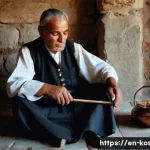
Among all the incredible musical encounters I had in Kosovo, some of the most profound were the completely unexpected ones. I remember one lazy afternoon, just strolling through a historical bazaar, when I heard the most hauntingly beautiful melody drifting from a small shop. It turned out to be an elderly craftsman playing a traditional instrument I couldn’t even name at the time, and he wasn’t playing for an audience, but simply for himself. That raw, unadulterated passion for music, played purely for the love of it, truly touched my heart. Another time, I was at a local restaurant, and a group of young men started an impromptu a cappella performance of traditional folk songs – their harmonies were absolutely breathtaking, and the entire room erupted in applause. These weren’t planned events; they were organic, spontaneous expressions of joy and culture that left an indelible mark on me. It’s in these moments of authentic, everyday musicality that you truly feel the pulse of Kosovo, seeing how deeply music is woven into the fabric of daily life. These are the memories that truly stay with you, long after the trip is over.
Connecting Through Melody: The Universal Language
One of the most powerful takeaways from my time exploring Kosovo’s music scene was a reinforced belief in music as the ultimate universal language. Despite not understanding all the lyrics, the emotions conveyed through the melodies, rhythms, and vocal performances were crystal clear. I found myself humming along to traditional tunes, tapping my foot to hip-hop beats, and even feeling a lump in my throat during patriotic ballads, all without needing a translator. Music created an immediate bridge between myself and the people I met, fostering connections and shared experiences that transcended any cultural or linguistic differences. It’s incredible how a shared appreciation for a particular riff or a soulful vocal can spark conversations and forge bonds, even with complete strangers. This ability of music to communicate on such a fundamental, human level is truly profound, and it’s something I experienced repeatedly in Kosovo. It’s a beautiful reminder that no matter where we come from, we can all find common ground and connect through the power of a shared melody, making the world feel a little smaller and a lot more harmonious.
Wrapping Things Up: My Lasting Impressions
So, after all these incredible encounters, what truly stays with me is the sheer soulfulness of Kosovo’s music. It’s a powerful narrative, a testament to a nation’s enduring spirit, beautifully expressed through every note and rhythm. From the ancient echoes of the çifteli that whisper tales of old, to the global anthems of its modern stars that fill stadiums, this country’s soundscape is a vibrant, living entity that continually surprises. It doesn’t just entertain; it educates, connects, and inspires on a profoundly personal level. My journey through Kosovo’s melodies has been an unexpected gift, leaving me with a profound appreciation for its rich cultural tapestry and the incredible people who keep its musical heart beating so strong, proving that even a small nation can have an outsized impact on the global stage. It’s an experience I truly cherish and encourage everyone to discover.
Handy Tips for Your Musical Journey in Kosovo
1. Time Your Visit for Festivals: If you want to experience Kosovo’s music at its most vibrant, try to plan your trip around one of its fantastic summer festivals. Sunny Hill Festival, often co-founded by Dua Lipa, is a global highlight, but look out for jazz and alternative festivals in Pristina too. The energy is absolutely electric, and you’ll catch a wide array of talent, from local acts to international stars. These events are not just concerts; they are full-blown cultural celebrations that truly showcase the country’s youthful spirit and love for music.
2. Dive into the Local Scene: Don’t just stick to the main attractions; some of the most authentic musical experiences happen in smaller, cozier venues. Wander the streets of Pristina and keep an ear out for live music drifting from cafes and bars. Locals are usually more than happy to point you toward their favorite spots, offering a more intimate and unforgettable encounter with Kosovar talent. These hidden gems are where you’ll often find emerging artists experimenting with new sounds, creating a truly unique atmosphere.
3. Embrace Traditional Sounds: While modern pop and hip-hop are thriving, make sure to seek out traditional Kosovar music. Listening to the haunting sounds of a lahuta or the rhythmic pulse of a çifteli offers a profound connection to the country’s history and soul. Many cultural centers and even some restaurants feature traditional performances that are truly a sight and sound to behold. It’s an invaluable way to understand the historical depth that underpins the country’s contemporary musical expressions.
4. Connect Beyond Language: Music truly is a universal language, but learning a few basic Albanian phrases can greatly enhance your interactions. A simple ‘Përshëndetje’ (hello) or ‘Faleminderit’ (thank you) can open doors and show respect, making your musical encounters even more personal and memorable. Don’t be shy; Kosovars are generally very welcoming and appreciate the effort, often leading to deeper, more meaningful connections over a shared melody.
5. Keep Some Euros Handy: While card payments are common in larger establishments, many smaller cafes, independent venues, or street vendors at festivals might prefer cash. Kosovo uses the Euro (€), so it’s always a good idea to have some smaller denominations on hand for tickets, drinks, or unique local crafts you might stumble upon at musical events. This ensures you’re prepared for any situation and can fully immerse yourself without a hitch.
Essential Insights into Kosovo’s Music Scene
My deep dive into Kosovo’s music scene revealed a vibrant, resilient, and utterly captivating cultural landscape that beautifully bridges ancient traditions with modern innovation. This isn’t just music; it’s the heartbeat of a nation, telling stories of struggle, triumph, and identity through every powerful lyric and soulful melody. The country’s remarkable ability to produce global superstars like Dua Lipa and Rita Ora, while simultaneously preserving its rich folk heritage with instruments like the çifteli and lahuta, speaks volumes about its creative spirit and profound respect for its roots. Live music, from bustling festivals to intimate café gigs, is a cornerstone of this culture, offering an unparalleled opportunity for genuine connection and immersive experiences. Furthermore, music acts as a powerful economic engine, attracting tourism and stimulating local businesses, and serves as a proud ambassador, showcasing Kosovo’s dynamic spirit to the entire world. It’s a testament to how art can shape, define, and propel a nation forward, leaving an indelible mark on anyone who takes the time to truly listen and engage with its incredible soundscape.
Frequently Asked Questions (FAQ) 📖
Q: You mentioned a captivating fusion of old and new in Kosovar music. How does this unique blend actually manifest, and what’s the overall vibe of experiencing this sound?
A: Oh, this is the magic question, isn’t it? For me, it’s not just a simple mix; it’s a living conversation between generations and genres that truly breathes life into every performance and recording.
Imagine this: one moment, I was at a small, intimate gathering in Prizren, completely mesmerized by the soulful, almost haunting melodies of a çifteli player whose fingers danced across the strings, telling stories centuries old with every pluck.
The next day, I found myself in Pristina, completely enveloped by the thumping bass and infectious energy of a local club where a DJ was effortlessly weaving those same traditional folk motifs into a super-modern electronic track.
The crowd, let me tell you, went absolutely wild! It’s like the music tells you, “We respect where we come from, but we’re also sprinting towards the future.” You’ll hear ancient vocal techniques echoed in a chart-topping pop song, or a traditional rhythm underpinning a cutting-edge rock ballad.
The vibe is incredibly rich and authentic, yet undeniably fresh and forward-looking. It’s an electrifying experience that makes you feel deeply connected to both history and the present moment, all at once.
It’s truly something you feel in your bones and I still get goosebumps thinking about it!
Q: That sounds incredible! You hinted at traditional instruments and global pop stars. Can you give us some specific examples of what to listen for – maybe some must-hear instruments or artists that truly represent Kosovo’s diverse music scene?
A: Absolutely! If you’re anything like me, you love digging into the specifics. When it comes to traditional sounds, the çifteli is your absolute starting point – it’s a two-stringed instrument that’s practically synonymous with Albanian folk music, and its distinctive sound is just etched into the soul of the region.
You might also encounter the lahuta, a single-stringed instrument used for epic narrative poetry, which can be incredibly moving. For a deeper dive into folk, look out for recordings by legendary figures who preserve these ancient vocal traditions.
Now, for the modern scene, Kosovo is a hotbed of talent that’s truly making waves globally. We’re talking about artists like Dua Lipa, Rita Ora, and Bebe Rexha, who, while global superstars, have deep roots here and often infuse their music with subtle influences or proudly represent their heritage.
Beyond pop, there’s a thriving underground rock scene that’s fiercely independent and incredibly creative, pushing boundaries with unique sounds. And don’t forget the burgeoning electronic music scene, which is incredibly vibrant, with DJs and producers crafting unique beats that often nod to traditional rhythms in unexpected ways.
My advice? Just open up your streaming service, type in “Kosovar music,” and let yourself be surprised by the incredible range!
Q: I’m definitely ready to dive in! For someone like me who wants to experience this music firsthand, what’s the best way to really immerse myself in Kosovo’s local music scene?
A: re there specific places or events you’d recommend checking out? A3: Oh, you’re in for a treat! There’s nothing quite like experiencing music live, especially in a place like Kosovo where the energy is palpable.
My number one tip is to keep an eye out for local festivals. The Sunny Hill Festival, while bringing in international headliners, is a massive event usually held in Pristina and is a fantastic way to see both global and local talent on a big stage – it’s an incredible atmosphere.
Beyond the big festivals, I’d highly recommend exploring the live music venues, especially in cities like Pristina and Prizren. Places like Soma Book Station or Hamam Jazz Bar in Pristina often host local bands, jazz nights, or traditional music performances in a really cozy, authentic setting.
You never know what hidden gem you might stumble upon! Don’t be afraid to ask locals too – they’re always proud to share their culture, and I’ve found some of my most memorable musical experiences by simply asking a barista or a shop owner for their recommendations.
Even just walking around the Old Bazaars in places like Gjakova, you might hear street musicians playing traditional instruments, adding a spontaneous soundtrack to your journey.
It’s all about keeping your ears open and being ready to embrace the unexpected – that’s where the true magic of Kosovar music lies!